

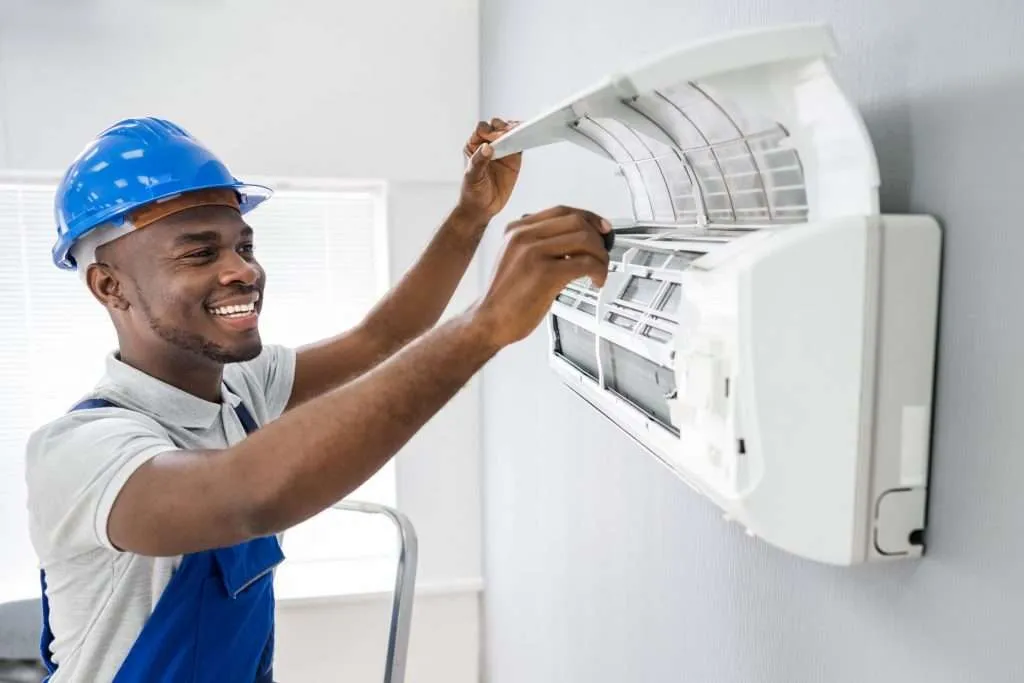
Upgrading your air conditioning system can be a game-changer for your home’s comfort, energy efficiency, and overall cost savings. However, air conditioning replacement is a significant investment, and avoiding common mistakes is essential to ensure you get the best results. Whether you’re replacing your unit in San Diego or anywhere else, here are some pitfalls to watch out for and tips to make the process seamless.
1. Not Assessing Your Home’s Needs Properly
One of the biggest mistakes homeowners make during air conditioning replacement is not evaluating their home’s specific needs. Every house is unique, and factors like size, insulation, and climate play a significant role in determining the right AC system.
- A unit that’s too small will struggle to cool your home, leading to overworking and frequent breakdowns.
- On the other hand, an oversized unit can cycle on and off too frequently, wasting energy and reducing efficiency.
Work with an HVAC professional to conduct a thorough assessment of your home to find the perfect fit.
2. Choosing the Cheapest Option
While it’s tempting to opt for the lowest-cost option, it often leads to higher expenses in the long run. Cheap units may have shorter lifespans, lower efficiency, and higher maintenance costs.
When planning your air conditioning replacement, think about the value you’ll get over time. Look for energy-efficient models that offer better performance and lower utility bills, even if the upfront cost is slightly higher.
3. Ignoring Energy Efficiency Ratings
Energy efficiency is a crucial factor when replacing your air conditioner. Many people overlook the importance of SEER (Seasonal Energy Efficiency Ratio) ratings, which measure the efficiency of a cooling system.
A higher SEER rating means lower energy consumption, which translates to significant savings over the years. Ensure the unit you choose meets or exceeds the energy standards in your area for optimal performance.
4. Not Vetting the Installation Company
The quality of installation is just as important as the quality of the air conditioning unit itself. A common mistake is hiring an inexperienced or unlicensed technician to save money.
Poor installation can lead to operational issues, inefficiencies, and even safety hazards. Always do your research:
- Check reviews.
- Ask for referrals.
- Verify credentials.
Choose a reliable company with experience in air conditioning replacement to ensure the job is done right.
5. Forgetting About Ductwork
Ductwork plays a vital role in the effectiveness of your cooling system. Ignoring ductwork during air conditioning replacement can lead to uneven cooling and wasted energy.
Have your ducts inspected for leaks, blockages, or damage. In some cases, it may be necessary to repair or upgrade the ductwork to maximize the performance of your new AC unit.
6. Overlooking Maintenance Plans
Many homeowners focus solely on the replacement and forget about ongoing maintenance. Regular upkeep is essential to keep your air conditioner running smoothly and prolong its lifespan.
When choosing a new system, ask about maintenance plans or warranties that cover servicing. This proactive approach can save you from costly repairs in the future.
7. Skipping Financing Options and Incentives
Air conditioning replacement can be expensive, but many homeowners miss out on financing options or rebates that could make it more affordable.
Check for:
- Local government incentives for energy-efficient models.
- Manufacturer discounts.
- Financing programs offered by installation companies.
These options can help you spread out costs while investing in a better-quality system.
8. Not Getting a Detailed Quote
A vague quote can lead to unexpected costs down the line. Always request a detailed estimate that includes:
- Equipment cost.
- Installation fees.
- Additional services like ductwork inspection or upgrades.
Having a clear understanding of expenses upfront will help you budget effectively and avoid unpleasant surprises.
9. Delaying Replacement for Too Long
Waiting too long to replace an outdated air conditioner is a common mistake. Older systems are prone to frequent breakdowns, higher repair costs, and inefficiency.
If your AC is nearing the end of its lifespan (usually around 10–15 years), start planning for air conditioning replacement before it completely fails. This proactive approach will save you from emergency repairs and discomfort.
Final Thoughts
Air conditioning replacement is an important decision that requires careful planning and attention to detail. By avoiding these common mistakes, you can ensure your new system is efficient, durable, and perfectly suited to your needs.
Whether you’re upgrading your AC in San Diego or elsewhere, working with a reputable company ensures you get expert service, financing options, and long-term comfort. Make the most of this investment and enjoy the benefits of a cooler, more energy-efficient home for years to come.