

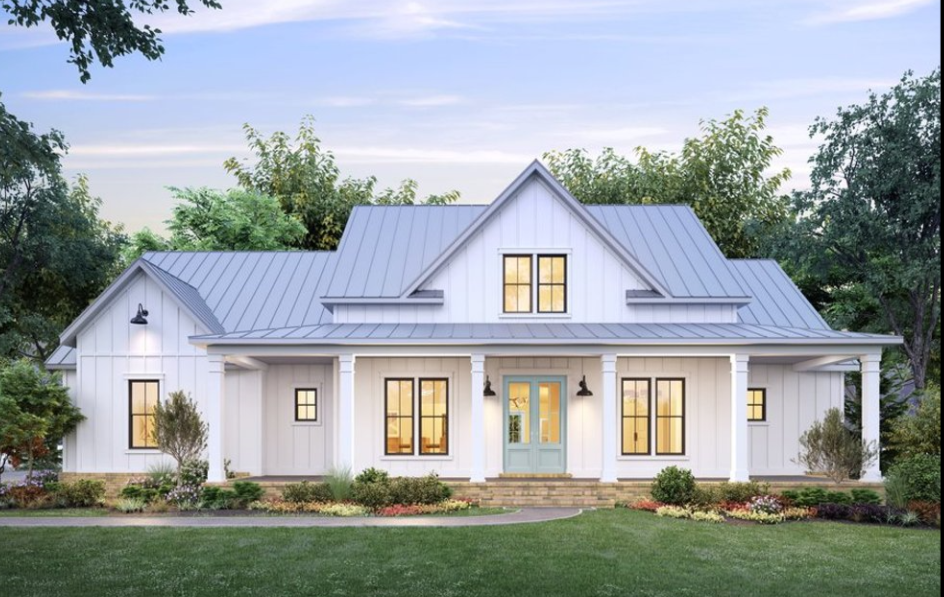
Making a barndominium is an exciting venture, offering a unique blend of affordable, durable, and customisable living spaces. However, like any construction project, there are common mistakes that can derail the process or lead to higher costs down the line. Whether you’re new to the concept or already in the planning stages, avoiding these pitfalls can help you build your dream home efficiently and cost-effectively.
Here are the key mistakes to avoid when building your barndominium.
1. Not Understanding Zoning and Permitting Requirements
Before breaking ground, it’s essential to understand zoning regulations and permitting requirements for barndominiums in your area. Many homeowners make the mistake of assuming that zoning laws for traditional homes also apply to barndominiums, but this is not always the case.
In some areas, building a barndominium might require special permits or approvals, especially if you’re planning to construct in a rural area or outside of an established neighborhood. Be sure to research local zoning laws, get the necessary permits, and check with the local building authority to ensure your project is compliant. Failing to do so can lead to delays, fines, or even having to tear down your building if it doesn’t meet regulations.
2. Skimping on Site Preparation
Site preparation is a crucial step in the construction process and one that some homeowners overlook. Skimping on this stage can lead to major issues later on. If the land isn’t properly prepared, it can result in foundation problems, drainage issues, and uneven surfaces.
Take time to clear the land, ensure proper drainage, and level the ground before starting construction. A solid foundation is essential for the stability of your barndominium, and this groundwork can save you from costly repairs in the future. Additionally, make sure the site is suitable for utilities such as water, electricity, and sewage.
3. Underestimating the Costs
While barndominiums are generally more affordable to build than traditional homes, it’s still easy to underestimate the total cost. One of the biggest mistakes homeowners make is not budgeting properly.
Material costs, labor costs, foundation expenses, and interior finishing can add up quickly, especially if you’re opting for custom features. Additionally, you may encounter unexpected costs for things like land grading or additional structural reinforcements.
It’s important to plan for all potential expenses, including hidden costs, such as site preparation, permits, and inspections. Always work with a contractor who can give you an accurate cost breakdown and be prepared for some contingency expenses.
4. Overlooking Energy Efficiency
One of the major advantages of barndominiums is their potential for energy efficiency. However, many homeowners neglect to incorporate energy-efficient elements into their design. This oversight can lead to higher long-term costs in terms of heating and cooling.
When building a barndominium in Florida, for example, it’s essential to insulate properly. Using spray foam insulation or insulated metal panels can help maintain comfortable temperatures, reduce your energy bills, and make your home more sustainable. Don’t forget to consider energy-efficient windows, doors, and lighting as well.
Incorporating solar panels or using sustainable materials can further improve the eco-friendliness of your barndominium, ultimately reducing your reliance on external power sources.
5. Not Accounting for the Weather
Florida’s climate is a crucial factor when building a barndominium. Due to its hot, humid weather and frequent hurricanes, it’s essential to design and build your barndominium to withstand extreme weather conditions.
A mistake many people make is underestimating the impact of high winds, rain, and humidity on their structures. Steel barndominiums are excellent at resisting wind damage and moisture-related problems like mold. However, ensure your contractor uses hurricane-rated materials and implements wind-resistant features such as reinforced steel framing or impact-resistant windows.
Properly sealing the exterior to prevent water infiltration is equally important. Failure to address weather concerns can lead to maintenance issues, and water damage can shorten the lifespan of your home.
6. Choosing the Wrong Contractor
Choosing the right contractor is crucial to the success of your barndominium build. One of the most significant mistakes homeowners make is hiring a contractor without the right expertise in barndominium construction.
Unlike traditional homes, barndominiums require specialised knowledge in working with steel frames, metal panels, and open-concept layouts. Ensure that the contractor you hire has experience with barndominiums and understands the intricacies of this type of build. Research contractors, check their portfolios, and read reviews to ensure you’re selecting the best professional for the job.
7. Failing to Plan for Future Needs
A barndominium offers the advantage of being highly customisable, but it’s easy to get caught up in the immediate needs and overlook future growth.
If you plan to expand your family, start a business from home, or add more storage or living spaces down the line, it’s essential to design your barndominium with these future needs in mind. Not planning ahead could result in costly renovations later if you find yourself needing extra rooms or facilities.
Consider adding extra plumbing, electrical outlets, or even a loft for additional space. It’s easier and more cost-effective to include these options during the initial build rather than later.
8. Ignoring the Interior Layout
The interior layout of a barndominium is one of its most appealing features, offering open, spacious living areas. However, one common mistake is not optimizing the interior space to meet your lifestyle needs.
It’s easy to get swept up in the aesthetic appeal of large, open spaces but forget about functionality. Think about how you use the space daily. Will you need extra storage? Should you design a dedicated home office or a workshop? Planning the layout to fit your daily routines will help avoid cramped or inefficient spaces later on.
Additionally, barndominiums often feature high ceilings, which may require careful consideration of how to utilize vertical space effectively. Mezzanine floors or lofts can add extra square footage without increasing the build’s footprint, making them a great option for additional living or storage space.
9. Sacrificing Quality for Lower Costs
It’s tempting to cut costs in certain areas to keep the project within budget, but compromising on quality materials or construction methods can backfire.
Barndominiums are built to last, but low-quality materials or shortcuts in construction can lead to structural issues down the line. Opting for cheap steel, poor insulation, or substandard finishes can result in higher long-term maintenance costs. It’s better to invest in quality materials upfront than deal with costly repairs or replacements in the future.
10. Not Planning for Maintenance
While barndominiums are relatively low-maintenance compared to traditional homes, they still require upkeep. One mistake homeowners often make is not budgeting for future maintenance.
Consider factors such as roof maintenance, painting, and sealing when planning for your home’s upkeep. Overlooking these maintenance needs can lead to expensive repairs later. With the right planning, your barndominium will continue to serve you well for years to come.
Conclusion
Building a barndominium is an exciting and affordable alternative to traditional housing, but careful planning is essential for success. By avoiding these common mistakes—such as neglecting site preparation, underestimating costs, and failing to plan for future needs—you can ensure that your barndominium is both functional and long-lasting.
By choosing the right contractor, budgeting properly, and considering the weather, energy efficiency, and maintenance needs, you can enjoy a well-built barndominium that meets all of your needs for years to come.