

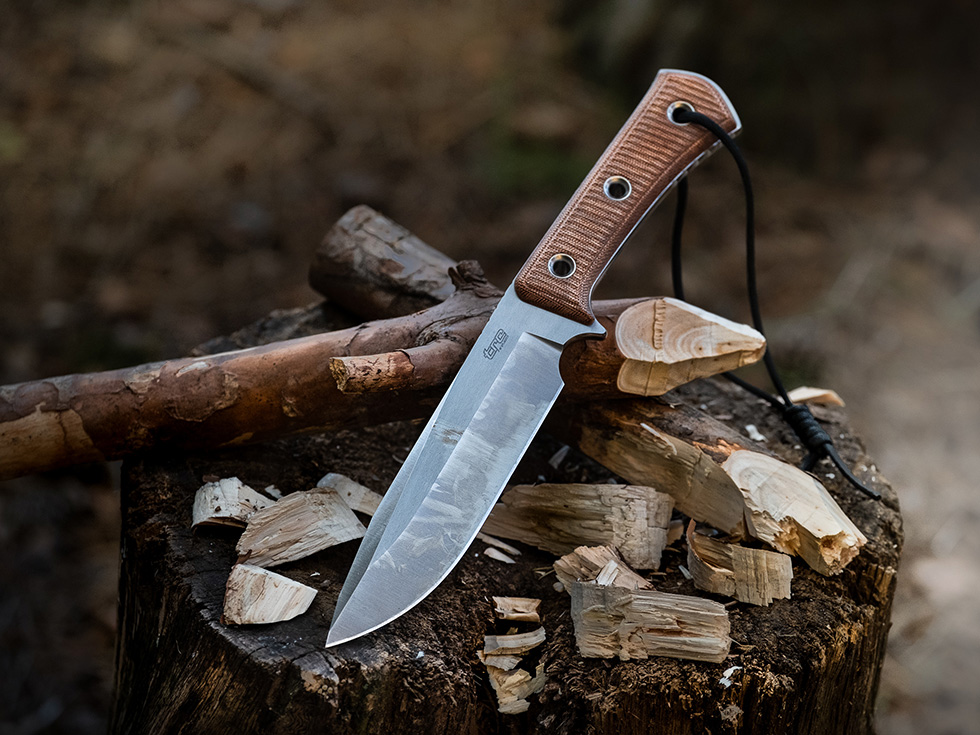
Fixed-blade knives are indispensable for outdoor enthusiasts, offering reliability for tasks ranging from hunting to survival. However, not all knives are created equal, different activities require specific features.
Understanding Fixed-Blade Knives
Fixed-blade knives are built for durability, with no moving parts to fail. Their solid construction makes them ideal for demanding tasks outdoors. By comparing their features, you can find a knife tailored to your specific needs.
What Makes Fixed-Blade Knives Unique
Unlike folding knives, fixed-blade knives have a single piece of metal extending through the handle, providing strength and stability. This design suits heavy-duty tasks like chopping or prying, which are common in outdoor settings.
Key Considerations
When comparing knives, focus on blade material, size, shape, handle design, and sheath. These factors determine how well a knife performs for specific activities like hunting, camping, or bushcraft.
Knives for Hunting
Hunting requires a knife that excels at field dressing, skinning, and processing game. The right features ensure efficiency and precision in the field, where hunting knives are a critical tool for preparing your harvest.
Blade Requirements
A drop-point blade, typically 4 to 6 inches, is ideal for hunting. Its curved edge handles skinning and slicing well, while the strong tip resists breaking during tough cuts. Stainless steel is preferred for its rust resistance when exposed to blood and moisture.
Handle and Sheath Needs
A non-slip handle, like Micarta or rubber, is essential for maintaining grip during wet tasks. A Kydex or nylon sheath offers secure carry and easy cleaning, which is crucial after field dressing.
Knives for Camping
Camping knives need versatility to handle tasks like preparing food, cutting rope, or building shelters. They should balance portability with functionality for a variety of camp chores.
Blade Features
A blade around 5 inches with a straight edge is versatile for camping. Drop-point or clip-point blades work well for slicing and chopping. Stainless steel or carbon steel both suit camping, depending on maintenance preferences.
Handle and Portability
A lightweight handle, like G10, reduces fatigue during extended use. A sheath with belt or MOLLE attachment ensures easy access. Lighter knives are better for campers who prioritize packability.
Knives for Survival and Bushcraft
Survival and bushcraft demand a knife that can handle rugged tasks like building shelters, crafting tools, or starting fires. Durability and versatility are key in these scenarios.
Blade Design
A thicker blade, around 5 to 7 inches, with a drop-point or tanto shape is ideal for survival. Tanto blades excel at piercing, while drop-points handle slicing and chopping. A full-tang construction ensures durability for heavy tasks like batoning.
Handle and Sheath Durability
A sturdy handle, like Micarta or G10, withstands harsh conditions. A Kydex sheath with multiple carry options is practical for survival, where quick access is critical.
Comparing Key Features Across Activities
To choose the right knife, compare how features align with your primary activity. Here’s a breakdown of what to prioritize.
Blade Size and Shape
- Hunting: 4–6 inches, drop-point for skinning.
- Camping: 4–5 inches, drop-point or clip-point for versatility.
- Survival: 5–7 inches, drop-point or tanto for durability.
Handle Materials
- Hunting: Non-slip materials like Micarta or rubber for wet conditions.
- Camping: Lightweight G10 or wood for comfort.
- Survival: Durable Micarta or G10 for rugged use.
Sheath Options
- Hunting: Kydex or nylon for easy cleaning.
- Camping: Lightweight nylon or leather for portability.
- Survival: Kydex with MOLLE compatibility for versatility.
How to Choose the Right Knife
Selecting a knife involves balancing activity-specific needs with practical considerations like weight and budget. The Prime Knives offers detailed filters to help you compare options.
Activity Focus
Identify your primary activity hunting, camping, or survival and prioritize features accordingly. A hunter might choose a smaller, rust-resistant blade, while a survivalist needs a heavier, durable knife.
Weight and Carry
Consider how you’ll carry the knife. Belt carry is convenient for hunting, while pack carry suits campers. Survivalists may prefer MOLLE systems for gear integration.
Budget and Quality
Higher-quality knives last longer but cost more. Look for reputable brands on The Prime Knives that offer durability without breaking the bank.
Maintaining Your Knife for Optimal Performance
Proper care ensures your knife performs well across activities. Regular maintenance prevents issues that could hinder its effectiveness.
Cleaning After Use
Clean the blade after each use, especially for hunting or food prep. Use warm water and soap, then dry thoroughly to prevent rust. Store in a dry sheath.
Sharpening for Precision
A sharp blade is essential for all activities. Use a whetstone to maintain the edge, sharpening at the correct angle. Regular sharpening prevents excessive wear.
Handle and Sheath Care
Inspect handles for damage and treat wooden ones with oil. Check sheaths for wear to ensure secure carry, especially for survival tasks.
Why The Prime Knives Stands Out
The Prime Knives offers a diverse range of fixed-blade knives, with clear specifications to compare features like blade shape and handle material. Their user-friendly site helps you find the perfect knife for your outdoor pursuits.
FAQs About Comparing Fixed-Blade Knives
What’s the best blade shape for hunting?
Drop-point blades are ideal for hunting due to their versatility in skinning and slicing.
Can one knife work for all outdoor activities?
A mid-sized drop-point knife with a durable handle can handle most tasks but may not excel in specialized activities.
How does blade material affect performance?
Stainless steel resists rust, while carbon steel holds an edge longer but requires more care.
What sheath is best for camping?
Nylon or leather sheaths are lightweight and practical for camping.
How do I know if a knife is durable enough for survival?
Look for a full-tang blade with a thick spine and a sturdy handle material like Micarta.
Are expensive knives worth it?
Higher-priced knives often offer better materials and craftsmanship, improving longevity and performance.
Conclusion
Choosing the right fixed-blade knife depends on your outdoor activity, whether it’s hunting, camping, or survival. By comparing blade shapes, handle materials, and sheath options, you can find a tool that meets your needs. The Prime Knives provides a wide selection to help you pick a reliable knife for any adventure.