

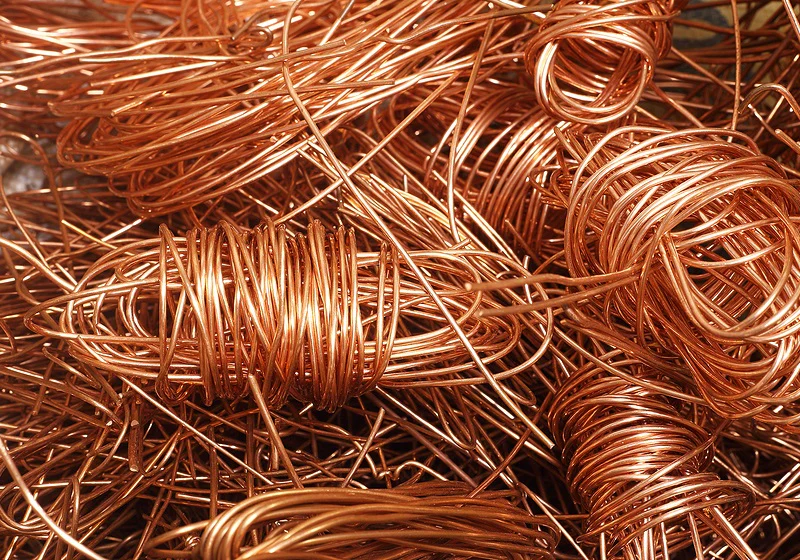
There’s a saying among tradies: copper never dies. You can bend it, bury it, melt it, strip it down to a wiry mess — but it’ll always find another way to be useful. It’s the boomerang of metals. Throw it out, and it just keeps coming back. That’s the essence of Copper Recycling with Union Metal, and honestly, it’s more fascinating than most people realise.
The Story Hiding In Scrap
A friend of mine once told me about her grandfather’s shed in Ballarat. Inside were coffee tins, buckets, even old Milo tins stuffed with copper wire. “Waste not, want not,” he’d say, as if those wiry offcuts were more precious than gold. Back then, it felt like hoarding. Now? Turns out he was onto something.
Because here’s the kicker: those scraps could be melted down today and turned into the wiring of an electric vehicle tomorrow. Same metal, new life. That’s the beauty of Copper Recycling — the story doesn’t end when the appliance dies or the pipe rusts. It just… shifts chapters.
Why Copper Is The Rockstar Of Recycling
Not all metals play nice when it comes to recycling. Steel, aluminium, they’re good, but they lose a bit of their spark each round. Copper? Different. Pure copper doesn’t downgrade. You recycle it once, twice, a hundred times — it’s still the same. Strong. Conductive. Ready to carry electricity through a city grid or hot water through your kitchen sink.
This is why Copper Recycling is so powerful. We’re not talking about second-rate material. We’re talking about a resource that circles back as good as new, no compromise.
Mining Vs. Recycling — The Uncomfortable Truth
Mining copper takes a toll. Giant machines tear into hillsides, rivers get murky, and landscapes change forever. And then there’s the energy — mining chews through it like nobody’s business.
Now picture this: recycling copper uses up to 85% less energy. That’s not a typo. Eighty-five percent. Which means that by choosing Copper Recycling, we’re not just saving a bit of money — we’re cutting down greenhouse gas emissions, preserving land, and dodging the messy footprint mining leaves behind.
It’s like deciding between growing your own tomatoes in the backyard or bulldozing a forest to plant a farm. One feels lighter, cleaner. The other? Well, not so much.
Copper Is Everywhere (Once You Start Noticing)
There’s a funny thing that happens once you learn about Copper Recycling. You start seeing copper everywhere. Behind your plaster walls. Twisting inside your laptop charger. Wound into the motor of your washing machine. Even the car you drive depends on it.
And here’s the sneaky bit: when those everyday items break down, most people think “rubbish.” But what’s hiding inside is value. Pure, recyclable value. Suddenly that tangled drawer of old phone chargers feels less like junk and more like a small copper mine sitting under your roof.
The Green Revolution’s Secret Ingredient
Everyone’s talking about solar panels, wind farms, and EVs. But guess what holds it all together? Copper. Without it, the whole renewable energy dream falls apart. Every solar panel needs copper wiring. Every EV motor is packed with it. Even wind turbines guzzle copper to move electricity from blades to grids.
The kicker? We don’t actually need to mine every ounce. Through Copper Recycling, we can supply a massive chunk of that demand. Old wiring, pipes, and appliances aren’t landfill material — they’re tomorrow’s infrastructure.
Imagine this: the copper from your grandma’s broken heater could end up inside a Tesla’s charging cable. That kind of connection feels poetic, doesn’t it?
The Everyday Network Behind The Cycle
Here’s something rarely talked about. Copper Recycling isn’t some faceless machine operation. It’s people. The scrap collectors who wake up at dawn. The small yard owners who weigh, sort, and haggle. The contractors who set aside pipes instead of tossing them into skips.
It’s an invisible workforce that keeps copper flowing back into circulation. Not glamorous. Not in the headlines. But without them, the loop breaks. And if the loop breaks, copper ends up rotting in landfills instead of lighting homes.
Small Actions, Big Echo
Here’s where it gets personal. You don’t need to own a smelter to be part of the story. Copper Recycling often begins with tiny, everyday choices.
The family who drops off a dead washing machine at a scrap yard instead of leaving it on the curb. The builder who sets aside copper piping. Even that moment when you finally decide to clean out the garage and drag in the tangle of cords you’ve been ignoring for years.
Each choice ripples outward. One household’s effort doesn’t feel like much. But multiply that by thousands, and suddenly you’ve got tonnes of copper saved from landfill.
Copper’s Quiet Poetry
Here’s why I think copper’s different. It’s not disposable. It’s a traveller. It moves from form to form — pipe to wire to motor — carrying stories along the way. The copper in a farmhouse tap a century ago might now be buzzing electricity through a Melbourne office tower.
That’s not just recycling. That’s legacy. That’s continuity. And that’s why Copper Recycling feels less like waste management and more like giving metal its rightful second (or third, or fiftieth) chance.
A Final Thought
Next time you spot a pile of old pipes on a reno site, or a box of cords gathering dust, remember: it’s not trash. It’s future material, waiting for a rebirth. And the more we embrace Copper Recycling from Union Metal Recycling, the less we lean on tearing up landscapes for more.
Copper doesn’t die. It just waits for its next chapter. And maybe — just maybe — that chapter starts with you finally emptying that drawer of cables you’ve been pretending not to see.