

Purchasing decisions in industrial operations often focus on upfront costs, but this approach can lead to expensive mistakes down the line. When specifying tubing for high-temperature applications, the initial price tag tells only part of the story. Smart procurement teams look beyond the purchase order to evaluate how material choices affect operational efficiency, maintenance schedules, and overall system reliability.
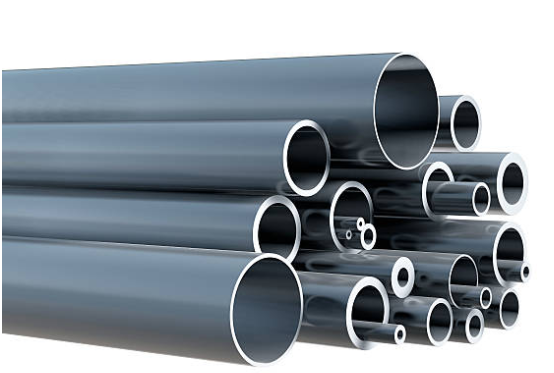
The debate around 347 stainless steel tube selection comes down to understanding its true value rather than simply comparing price sheets. This stabilized grade costs more initially than standard austenitic options, but that premium pays dividends in environments where thermal cycling, elevated temperatures, and corrosive conditions challenge material performance.
Understanding the Real Cost of Material Selection
Initial Price vs. Lifecycle Expenses: The sticker shock of premium alloys disappears when you factor in replacement costs, downtime, and labor for reinstallation for lesser grades. A tube that costs 30% more but lasts three times longer delivers substantial savings. Plants running continuous operations lose thousands per hour during unscheduled maintenance.
Hidden Costs of Inferior Materials: Cheaper alternatives might meet basic dimensional requirements, but they fail to account for real-world operating conditions. Tubes that corrode prematurely require not just replacement parts but also system flushing, contamination cleanup, and potential product loss. The financial impact extends beyond maintenance budgets when production schedules slip.
What Makes 347 Different from Standard Grades
Stabilization Through Niobium Addition: The addition of niobium to the base 18-8 composition fundamentally changes how this alloy behaves at elevated temperatures. This element ties up carbon atoms that would otherwise precipitate as chromium carbides during welding or prolonged heat exposure. Intergranular corrosion becomes a non-issue in properly specified 347 material.
Temperature Performance Characteristics: Standard 304 stainless loses corrosion resistance when held between 800-1500°F for extended periods. The 347 grade maintains its protective chromium oxide layer even after repeated thermal cycles in this critical temperature range. Heat exchangers, furnace components, and exhaust systems benefit from this stability.
Key Performance Advantages: The 347 grade offers distinct benefits that translate directly to operational savings:
- Maintains corrosion resistance after prolonged exposure to sensitization temperatures, eliminating the chromium carbide precipitation that weakens standard grades.
- Delivers superior weld zone integrity without requiring post-weld heat treatment, reducing fabrication costs and installation time.
- Provides extended service life in thermal cycling applications, reducing replacement frequency and associated downtime expenses.
Analyzing Total Cost of Ownership
Replacement Frequency Comparison: Consider a petrochemical facility that replaced 304 tubing in a catalytic unit every 18 months due to sensitization cracking. After switching to 347, the same installation ran for over five years without failures. The math becomes clear when you account for avoided shutdowns, each costing $200,000 in lost production.
Maintenance Planning Benefits: Predictable service life allows maintenance teams to schedule work during planned turnarounds rather than responding to emergency failures. This shift from reactive to proactive maintenance reduces overtime costs, improves spare parts inventory management, and keeps operations running smoothly. The financial advantages compound over time.
Case Studies: When Cheaper Grades Failed
Power Generation Boiler Tubes: A cogeneration plant specified 321 stainless for superheater tubes based on initial cost savings of $40,000 compared to 347. Within two years, tube failures began occurring at weld zones where sensitization had weakened the material. The resulting boiler outage cost $1.2 million in lost power generation and emergency repairs.
Chemical Processing Heat Exchangers: An organic chemical producer experienced repeated tube failures in shell-and-tube heat exchangers operating at 900°F. Investigation revealed that the original 304L specification, chosen for cost reasons, couldn’t handle the thermal fatigue between startup and operating temperatures. Switching to 347 increased material cost by $15,000 but eliminated annual replacement expenses.
Quality Sourcing Ensures Performance
Material Certification Matters: Not all 347 tubing delivers the same performance, even when it meets ASTM specifications on paper. Working with suppliers who provide comprehensive mill test reports, maintain proper storage conditions, and understand application requirements reduces the risk of material-related failures. Verification of niobium content and mechanical properties helps ensure proper performance.
Supply Chain Reliability: Emergency material needs always cost more than planned purchases. Establishing relationships with suppliers who stock 347 in various sizes and wall thicknesses provides insurance against unplanned failures. The ability to source quality material quickly when needed prevents extended downtimes that multiply the cost of any tube failure.
ROI Calculation Framework
Quantifying Long-Term Value: Calculate the break-even point by dividing the cost premium by the annual savings from avoided failures and extended service life. For most high-temperature applications, 347 pays for itself within the first operating cycle. The return continues accumulating over subsequent years as the installation keeps running without performance degradation.
Warranty and Liability Considerations: System failures create liability exposure beyond direct repair costs. Product contamination from corroded tubing, environmental releases from failed pipes, and safety incidents from unexpected ruptures all carry financial and legal consequences. Specifying materials that provide reliable long-term performance reduces these risks while demonstrating due diligence.
Conclusion
Choosing 347 stainless steel tubes based on total value rather than initial price protects your operation from the hidden costs that make cheap materials expensive. The stabilized composition delivers reliable performance in demanding thermal and corrosive environments where standard grades fail prematurely. Calculate the true cost by factoring in replacement frequency and downtime expenses. Connect with experienced suppliers who understand your application requirements to maximize your return on investment.