

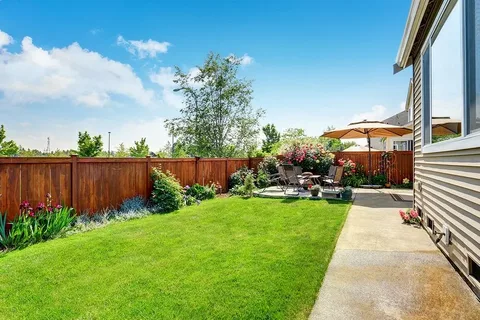
In today’s fast-paced world, many homeowners want outdoor spaces that are attractive and functional—without requiring endless hours of upkeep. Fortunately, it’s possible to create a beautiful yard that practically takes care of itself. Low-maintenance landscaping isn’t about sacrificing style or quality—it’s about designing with efficiency, longevity, and lifestyle in mind.
With the help of professionals like Eagle Landscape Services Mount Prospect, it’s easier than ever to craft outdoor environments that align with your aesthetic preferences while minimizing weekly chores. From plant selection to layout strategy, the key is to build a system that works with nature rather than against it.
In this article, we’ll break down the core principles of low-maintenance landscaping and offer practical tips for creating a yard that looks great year-round with minimal input.
Why Choose a Low-Maintenance Landscape?
Homeowners today often juggle demanding schedules. Between work, family obligations, and personal time, spending every weekend weeding, watering, or mowing can feel overwhelming. Low-maintenance landscaping is a solution that enhances curb appeal while freeing up your time.
Additionally, these types of designs are typically more sustainable. They use fewer resources, such as water and fertilizers, and they reduce the need for power tools and chemical treatments. That makes them good for your wallet and better for the environment.
Beyond the time savings, a thoughtfully planned landscape can boost your property value, increase functionality, and provide year-round enjoyment with less effort.
Start with Smart Plant Selection
One of the most important steps in creating a low-maintenance yard is choosing the right plants. Native plants are usually the best choice, as they are adapted to local climate conditions and require less water, fertilizer, and attention overall.
Perennials are another great option. Unlike annuals that need to be replanted each year, perennials return season after season. Look for hardy, disease-resistant varieties that can thrive in your specific environment.
Ground covers, ornamental grasses, and drought-tolerant shrubs also contribute to a lower-maintenance design. These plants help suppress weeds, require less trimming, and can survive with minimal irrigation once established.
A landscape expert like Eagle Landscape Services Mount Prospect can help you identify plant species that are both attractive and perfectly suited to your location and lifestyle.
Simplify Your Lawn Strategy
Lawns are often the most time-consuming element of any yard. To reduce upkeep, consider downsizing the lawn area or removing it entirely in favor of alternatives like stone pathways, mulched garden beds, or artificial turf.
If you do keep a lawn, opt for low-maintenance grass varieties that are drought-tolerant and slow-growing. Also, consider reshaping your lawn into smaller, more manageable sections that are easier to maintain.
Edging around lawn areas with stone, metal, or other hardscape materials can reduce the spread of grass into other planting zones, helping to keep the space neat with less effort.
Embrace Mulch and Ground Covers
Mulch serves multiple functions in a low-maintenance landscape. It helps retain soil moisture, reduce weed growth, and regulate soil temperature. Organic mulches like bark or wood chips also break down over time, enriching the soil and promoting plant health.
Ground covers—such as creeping thyme, sedum, or vinca—offer an attractive, living alternative to mulch that prevents weeds and reduces the need for mowing or watering.
Applying mulch once or twice a year is generally sufficient to maintain its benefits. It’s a simple, effective way to reduce long-term upkeep while improving the health of your garden beds.
Hardscaping for Structure and Simplicity
Integrating hardscape elements like stone patios, gravel walkways, or decorative retaining walls can greatly reduce the area that needs regular care. Hardscaping not only provides structure and visual interest but also lowers maintenance demands by eliminating sections that would otherwise require watering or mowing.
Choose materials that are durable, weather-resistant, and appropriate for your region. Permeable pavers are especially effective for reducing runoff and promoting drainage.
Functional features such as raised garden beds, built-in seating, and outdoor storage further enhance usability and reduce clutter—making your yard more enjoyable and easier to manage.
Efficient Irrigation and Water Management
Watering is one of the most time-consuming aspects of landscape maintenance, but it can be streamlined with smart planning. Drip irrigation systems deliver water directly to plant roots, conserving moisture and reducing evaporation. Timers and moisture sensors ensure you’re only watering when necessary.
Rain barrels can also be installed to collect natural water for use in the garden. Using drought-tolerant plants and grouping them by watering needs (a technique called hydrozoning) makes the system even more efficient.
Proper grading and drainage design are also critical. Avoid areas that tend to flood or collect standing water by leveling the terrain and using well-placed drainage features.
Reduce the Need for Pruning
To cut down on regular trimming and pruning, select slow-growing shrubs and trees that maintain a tidy appearance without constant attention. Look for varieties that keep a compact shape or grow vertically to fit tight spaces without sprawling.
Avoid plants with aggressive root systems or fast-growing tendencies unless they serve a specific purpose, like creating privacy or wind barriers.
Also, space your plants properly during installation. Crowded plants often require more maintenance as they compete for light and space, while well-spaced plantings grow more evenly and require less intervention.
Keep Maintenance Tools and Tasks Minimal
With a well-designed low-maintenance landscape, your tool shed won’t need to be packed with gadgets. A basic set of hand tools, a hose or watering can, and minimal pruning gear should be sufficient for most upkeep tasks.
Establishing a simple seasonal care routine—such as trimming back perennials in the fall or refreshing mulch in the spring—can keep your yard looking great year-round without regular weekend projects.
Hiring professionals like Eagle Landscape Services Mount Prospect to set up and periodically maintain your landscape ensures that everything stays in top shape with little effort on your part.
Conclusion
A low-maintenance landscape doesn’t mean compromising on style, comfort, or curb appeal. With the right planning, plant choices, and design features, you can enjoy a stunning yard that enhances your home while saving you time, effort, and resources.
By working with experienced professionals such as Eagle Landscape Services Mount Prospect, you can design a space that complements your lifestyle and looks beautiful in every season. With less to manage and more time to enjoy, a smart, sustainable landscape is a worthwhile investment in both convenience and outdoor living.