

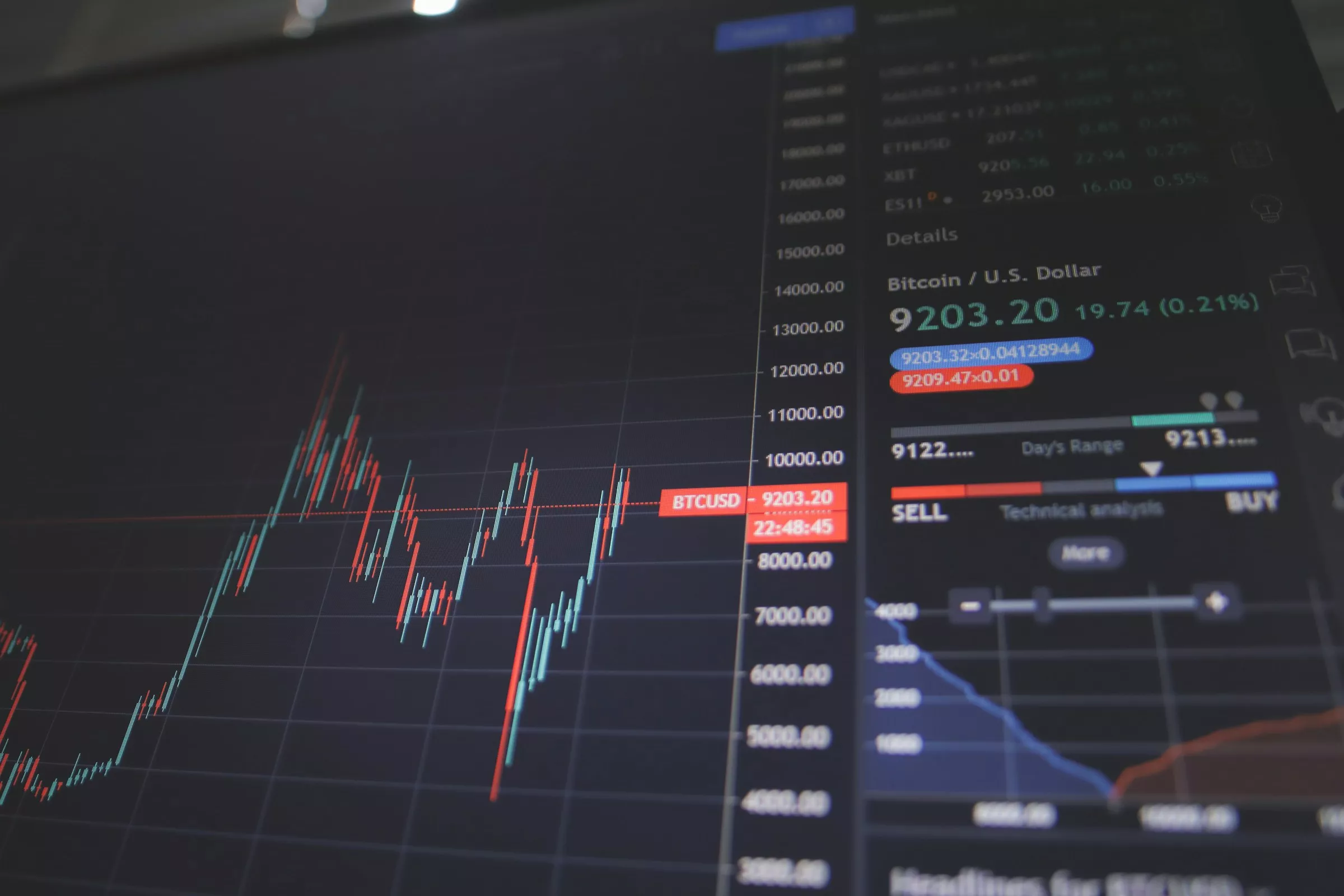
The trading landscape has transformed dramatically over the past decade, fundamentally changing how people and institutions participate in financial markets. Traditional markets, built on century-old infrastructure and regulated exchanges, once dominated the investment world, but they came with rigid trading hours, countless intermediaries, and significant barriers that kept many potential investors on the sidelines. Then cryptocurrency markets emerged as a genuine disruptive force, bringing 24/7 trading capabilities, peer-to-peer transactions, and unprecedented accessibility that opened doors for retail investors worldwide. This evolution represents far more than technological advancement.
Trading Hours and Market Availability
Perhaps the most striking difference between cryptocurrency and traditional markets lies in their operational schedules and accessibility patterns. Traditional stock exchanges operate during specific business hours, typically Monday through Friday, with trading halted on weekends and public holidays, creating predictable but limited windows for market participation. Cryptocurrency markets? They never close. They operate continuously every hour of every day throughout the year, enabling traders to respond immediately to global events regardless of when they occur.
Regulatory Frameworks and Investor Protections
The regulatory environments governing traditional and crypto markets differ substantially, creating distinct risk profiles and investor protection mechanisms for participants in each space. Traditional markets operate under well-established regulatory frameworks that have been developed over decades. Agencies like the SEC provide oversight, enforce disclosure requirements, and maintain investor protection programs that include insurance for certain account types. Cryptocurrency markets exist in a considerably more fragmented regulatory landscape where rules vary significantly by jurisdiction, enforcement remains inconsistent, and investor protections are often minimal or non-existent compared to traditional finance.
Technological Infrastructure and Trading Mechanisms
The technological foundations supporting crypto and traditional markets represent vastly different approaches to facilitating transactions and maintaining market integrity. Traditional exchanges rely on centralized infrastructure with multiple intermediaries, brokers, clearinghouses, and custodians, creating a multi-day settlement process for most transactions and introducing counterparty risks at various points along the way. Blockchain technology enables cryptocurrency markets to operate on decentralized networks where transactions settle in minutes rather than days, eliminating many intermediaries and reducing certain types of systemic risk that have long plagued traditional finance. This technological divide extends to how orders are executed.
Volatility Patterns and Market Maturity
Price volatility represents one of the most significant distinctions between cryptocurrency and traditional asset classes, reflecting different stages of market development and participant composition. Established stock markets demonstrate relatively lower volatility due to their size, liquidity depth, diverse participant base, and decades of price discovery, though individual securities and certain market conditions can still produce substantial price swings that catch investors off guard. Cryptocurrency markets exhibit dramatically higher volatility, with double-digit percentage moves occurring regularly even in major assets. These swings are driven by lower market capitalization, thinner liquidity, concentrated holder bases, and ongoing price discovery processes that haven’t yet reached equilibrium.
Investment Strategies and Portfolio Integration
The evolution of trading across both markets has sparked new approaches to portfolio construction and investment strategy that blend elements from each ecosystem in interesting ways. Traditional investors are increasingly allocating small portions of portfolios to cryptocurrency as an alternative asset class, seeking diversification benefits and exposure to technological innovation while maintaining core holdings in stocks, bonds, and real estate. Systematic investment approaches have gained prominence in both markets, with investors implementing regular purchase schedules to mitigate timing risk and build positions gradually regardless of short-term price fluctuations that might otherwise influence emotional decision-making. When building long-term positions in volatile crypto markets, professionals who need to minimize emotional decision-making often use DCA crypto trading to maintain consistent investment discipline. The convergence of these markets has produced hybrid strategies where investors use traditional financial analysis frameworks to evaluate crypto projects while incorporating blockchain-specific metrics like network activity, developer engagement, and tokenomics into their decision-making processes. Risk management techniques developed in traditional markets, including position sizing rules, stop-loss orders, and portfolio rebalancing, are being adapted for the unique characteristics of crypto trading with impressive results. Professional asset managers now offer products that provide exposure to both markets, creating bridges that allow traditional investors to participate in digital asset growth without directly managing cryptocurrency wallets or exchange accounts. This integration represents a maturation of the investment industry, acknowledging that the future of trading likely involves participation in both traditional and cryptocurrency markets rather than viewing them as mutually exclusive options that force an either-or choice.
Conclusion
The evolution of trading through the emergence of cryptocurrency markets alongside traditional finance represents a pivotal moment in financial history, creating a more diverse and dynamic investment landscape than we’ve ever seen before. While fundamental differences in accessibility, regulation, technology, volatility, and structure distinguish these markets, there’s increasing convergence happening as each ecosystem adopts beneficial elements from the other. Traditional markets are embracing blockchain technology and extended trading hours, while cryptocurrency platforms implement more robust security measures and compliance frameworks that address long-standing concerns. The most successful traders and investors will likely be those who understand both markets deeply, recognizing the unique opportunities and risks each presents while developing strategies that leverage the strengths of both ecosystems.