

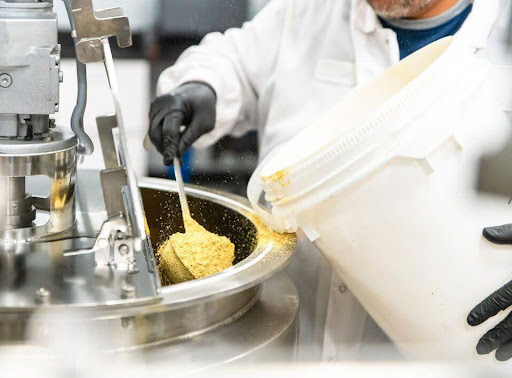
In the food and beverage industry, efficient production is essential for meeting consumer demand, maintaining product quality, and minimizing operational costs. One of the key factors that influence production efficiency is the design and functionality of the equipment used during processing, particularly storage and mixing tanks. Off-the-shelf solutions often fall short when it comes to meeting the specific needs of diverse manufacturing processes. That’s where custom stainless steel tanks come into play.
Custom stainless steel tanks are engineered to meet the exact requirements of a production line, ensuring optimal performance and seamless integration with existing systems. By tailoring the design, manufacturers can significantly enhance process control, reduce downtime, and improve overall efficiency. This article explores how customized stainless steel tanks provide advantages over standard tanks and why they have become an indispensable asset in modern food and beverage manufacturing.
Why Customization Matters in Stainless Steel Tank Design
Every food or beverage product has unique characteristics, processing requirements, and regulatory considerations. The same Stainless Steel Tank design rarely fits all applications effectively. Customization allows manufacturers to address critical factors such as:
- Product Viscosity and Mixing Needs: Varying product thickness and formulation require different mixing mechanisms and tank geometries to ensure thorough blending without damaging delicate ingredients.
- Volume and Batch Size: Tailoring tank size to match production volume helps avoid underutilization or bottlenecks.
- Temperature Control Requirements: Some products require precise heating or cooling during processing, necessitating jacketed or double-walled tanks with integrated temperature regulation systems.
- Cleaning and Sanitation Standards: Custom tanks can include Clean-In-Place (CIP) or Steam-In-Place (SIP) systems, which simplify and speed up sanitation while reducing contamination risks.
- Integration with Existing Equipment: Custom tanks can be designed to fit specific layouts and connect efficiently to mixers, pumps, or filling lines.
These factors underline how tailored tank design supports consistent product quality and boosts production efficiency.
Key Features of Custom Stainless Steel Tanks
Custom stainless steel tanks incorporate advanced features that support enhanced production capabilities:
- Material Selection: Most custom tanks use food-grade stainless steel, commonly grades 304 or 316L, which offer excellent corrosion resistance and hygiene.
- Variable Tank Shapes and Sizes: While cylindrical tanks are common, tanks can be designed in various shapes,rectangular, conical, or specialized geometries—to fit space constraints or specific process requirements.
- Advanced Mixing Options: Custom tanks often feature impellers, turbines, or a High Shear Mixer selected or engineered to optimize mixing for the product type. In continuous flow systems, an Inline Mixer can be used to ensure consistent blending of ingredients directly in the process stream.
- Temperature Jackets and Insulation: For processes requiring temperature control, tanks can be fitted with jacketed systems and insulation to maintain consistent thermal conditions.
- Instrumentation and Automation: Sensors, load cells, and automated controls can be integrated for real-time monitoring and adjustment of mixing speed, temperature, and fill levels.
How Tailored Design Enhances Production Efficiency
Custom tanks improve efficiency in multiple ways:
- Optimized Mixing and Blending: Correctly sized and configured Mixing Tank systems ensure homogeneity and reduce processing time, allowing for higher throughput without sacrificing quality.
- Reduced Cleaning Time: Incorporating CIP and SIP capabilities means less downtime between batches and lower labor costs.
- Minimized Material Waste: Accurate sensors and control systems reduce overfilling and ingredient waste, directly impacting cost savings.
- Improved Process Control: Automation and instrumentation enable consistent processing conditions, reducing batch variability and ensuring product standards.
- Space Utilization: Custom tank designs maximize floor space by fitting production layouts precisely, allowing for more efficient workflows.
Custom Tanks in Action: Common Applications
Custom stainless steel tanks find application across a broad spectrum of food and beverage production areas, such as:
- Dairy Products: Tanks with gentle mixing and precise temperature control are essential for yogurt, cheese, and milk processing.
- Beverages: Carbonated drinks, juices, and alcoholic beverages benefit from tanks designed to maintain carbonation and prevent contamination.
- Sauces and Condiments: A high shear mixer in custom tanks ensures even dispersion of ingredients for consistent flavor and texture.
- Bakery and Confectionery: Ingredients like syrups and fillings require specialized tanks that handle viscous materials efficiently.
- Nutraceuticals and Supplements: Customized tanks help in blending powders and liquids under hygienic conditions.
Future Trends: Smart Custom Tanks for Next-Level Efficiency
As food manufacturing advances, custom stainless steel tanks are evolving with smart technologies, including:
- IoT Integration: Internet of Things-enabled tanks provide real-time data on temperature, mixing speed, and batch status, accessible remotely for proactive management.
- Predictive Maintenance: Sensors can detect early signs of wear or malfunction, minimizing unexpected downtime.
- Energy Efficiency: Enhanced insulation and heat recovery systems reduce energy consumption during heating or cooling.
- Sustainability: Designs now emphasize minimizing water and chemical use during cleaning, supporting greener production.
These innovations allow manufacturers to future-proof their operations and stay competitive.
Conclusion
Custom stainless steel tanks represent a vital investment in production efficiency and product quality for the food and beverage industry. By tailoring tank design to the specific requirements of the manufacturing process, companies can optimize mixing, temperature control, and sanitation. The result is reduced downtime, improved consistency, and cost savings that ultimately enhance competitiveness.
As production demands grow and diversify, embracing custom tank solutions equipped with modern automation and smart technologies is key to maintaining operational excellence in food and beverage manufacturing.