

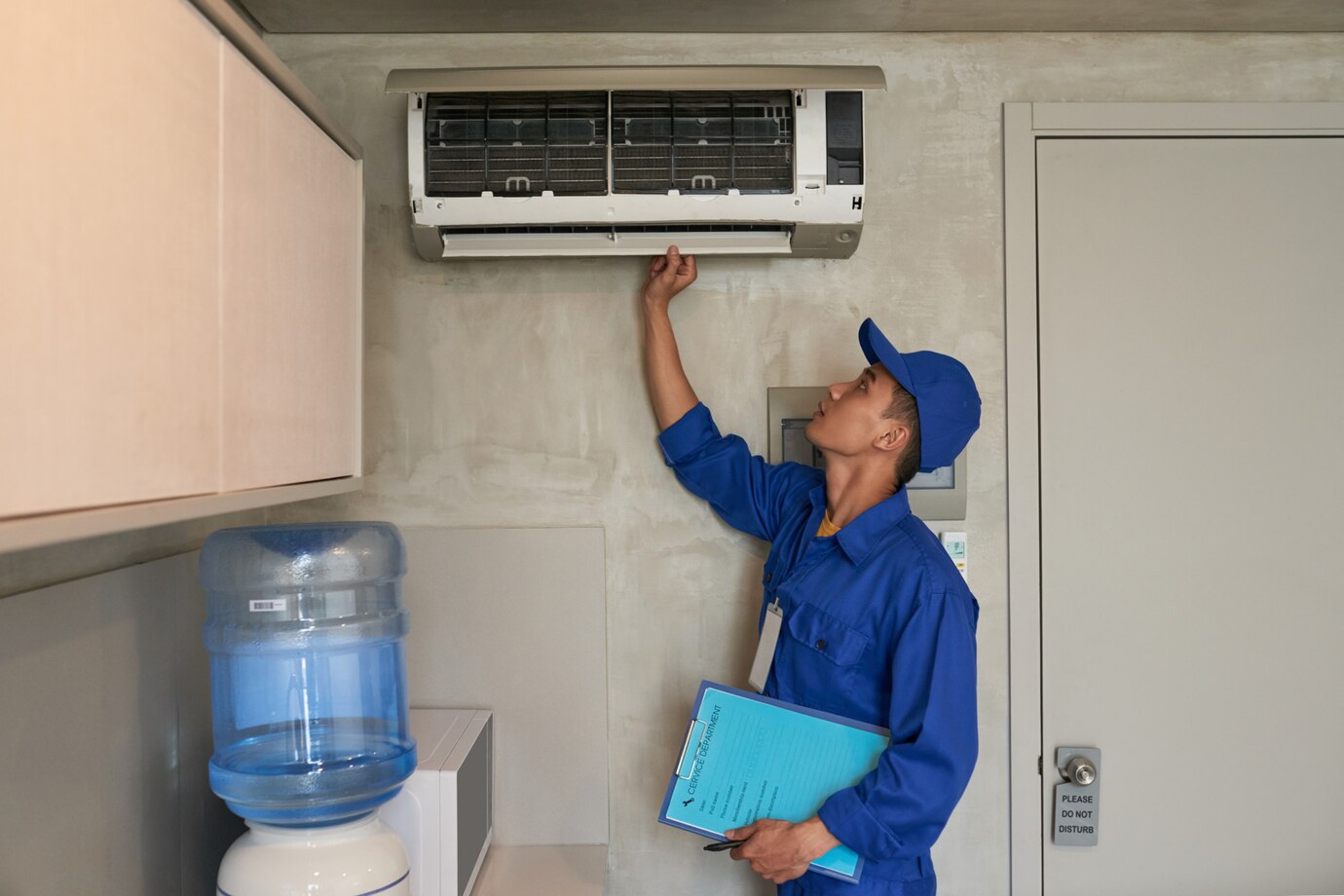
When summer’s sweltering heat becomes unbearable, the thought of a brand-new air conditioning system can be incredibly enticing. However, before you dive headfirst into cool comfort, it’s crucial to understand the financial investment involved. “How much is AC installation?” is a common question, and the answer, unfortunately, isn’t a simple one. Several factors contribute to the final cost, making it essential to do your research and get a personalized estimate.
Factors Influencing AC Installation Costs:
- Type of AC System:
- Central Air Conditioning: This is the most common type for homes and typically the most expensive to install. It requires ductwork, which adds to the labor and material costs.
- Ductless Mini-Splits: These systems are ideal for homes without existing ductwork. While the units themselves might be pricier, the installation can sometimes be less costly than central air, especially in smaller spaces.
- Window Units: The most affordable option, window units are relatively easy to install yourself, minimizing labor costs. However, they are less efficient and only cool a single room.
- Size and Efficiency:
- The size of the AC unit (measured in BTUs) and its efficiency (SEER rating) directly impact the cost. Larger units and higher SEER ratings cost more upfront but can save you money on energy bills in the long run.
- Sizing is paramount. A unit that is too small, will work overtime, and not cool well. Too large of a unit, will cycle on and off too often, not dehumidifying the home properly. Correct sizing will save on energy bills, and maintain optimal comfort.
- Ductwork:
- If you’re installing a central AC system, existing ductwork can reduce costs. However, if new ductwork is required or existing ducts need repairs or modifications, this will significantly increase the installation price.
- Labor Costs:
- Labor costs vary depending on your location, the complexity of the installation, and the contractor’s rates. Expect to pay a significant portion of the total cost for professional installation.
- Permits and Inspections:
- In many areas, AC installation requires permits and inspections, which can add to the overall cost.
- Accessibility and Complexity:
- Difficult installations, such as those in tight spaces or older homes, can increase labor costs.
General Cost Ranges:
- Window Units: $150 to $500 per unit, plus minimal installation costs if you do it yourself.
- Ductless Mini-Splits: $1,500 to $5,000 per indoor unit, including installation.
- Central Air Conditioning: $3,000 to $8,000 or more, depending on the size of your home and the complexity of the installation.
Tips for Saving on AC Installation:
- Get multiple quotes: Obtain estimates from several reputable HVAC contractors to compare prices.
- Consider a higher SEER rating: While the initial cost may be higher, a more efficient unit can save you money on energy bills.
- Schedule installation during the off-season: HVAC contractors may offer discounts during the fall or winter.
- Ensure proper maintenance: Regular maintenance can extend the lifespan of your AC system and prevent costly repairs.
- Check for rebates and incentives: Many utility companies and government programs offer rebates for energy-efficient AC systems.
Finding a Reputable Contractor:
- Check for licensing and insurance: Ensure the contractor is properly licensed and insured.
- Read online reviews: Check online reviews and testimonials to gauge the contractor’s reputation.
- Ask for references: Ask for references from past customers.
- Get a written estimate: Obtain a detailed written estimate that includes all costs.
Investing in a properly installed AC system is a significant decision. By understanding the factors that influence costs and following these tips, you can ensure a comfortable and cost-effective cooling solution for your home.