

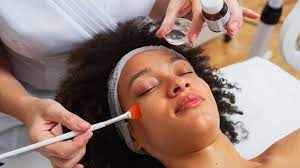
Chemical peels have become a popular option for individuals looking to improve the appearance of their skin. By using a chemical solution, these procedures help exfoliate the outer layers of skin, revealing a fresher, more radiant complexion. Whether you’re aiming to reduce fine lines, address acne scars, or improve uneven skin tones, chemical peels can cater to various skin concerns. This article explores the types of chemical peels and their specific uses.
Superficial Chemical Peels and Their Benefits
Superficial peels, also known as light peels, are among the mildest forms of chemical peels. These are typically used to exfoliate the outermost layer of the skin (epidermis) and are suitable for individuals seeking minimal downtime. Alpha hydroxy acids (AHAs), such as glycolic or lactic acid, are commonly used in superficial peels.
These peels are ideal for treating minor skin concerns like dullness, dryness, or mild pigmentation issues. They are suitable for people with sensitive skin and are often incorporated into routine maintenance treatments. The recovery time for superficial peels is usually quick, allowing users to continue their day-to-day activities without disruptions.
Medium Peels for Moderate Skin Concerns
Medium peels penetrate deeper into the skin, targeting the middle layers where more serious concerns might exist. Trichloroacetic acid (TCA) is often used in this peel to address more pronounced issues like acne scars, deeper wrinkles, and uneven skin tone. While medium peels require a slightly extended recovery period than superficial peels, they deliver noticeable results for those with moderate skin conditions. During recovery, the skin may peel and appear flushed. These peels are a good option for individuals looking for more dramatic improvements without resorting to invasive procedures.
Deep Peels for Significant Skin Rejuvenation
Deep peels provide the most intensive skin exfoliation but are not recommended for all individuals. These treatments penetrate deeper layers of skin and are typically performed with more potent chemicals like phenol. Deep peels are effective for tackling severe skin issues, such as deep wrinkles, significant sun damage, or precancerous growths.
Because of their intensive nature, deep peels typically require a more extended recovery period and careful post-treatment care. These peels are generally performed in a medical setting under supervision, making them a specialized solution for those with significant skin concerns.
Start Your Skin Renewal Journey
Selecting the right chemical peel depends on your specific skin type, concerns, and goals. Consulting with a skin care professional can help you determine the best option for your needs. Factors such as sensitivity, desired downtime, and the condition to be addressed will all play a role in this decision. A professional consultation helps you choose a peel that aligns with your expectations and delivers the best possible results.
Chemical peels offer a way to rejuvenate the skin, addressing various concerns from superficial dullness to deep scars. Whether you’re considering a light peel for a quick pick-me-up or a deeper treatment for long-term results, these procedures can help. For tailored advice and professional guidance, consult a licensed skincare specialist and confidently begin your skin rejuvenation journey.