

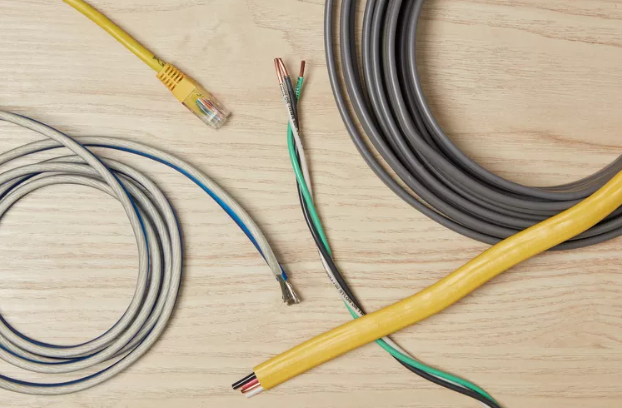
Electrical wires play a crucial role in any electrical system. They transmit electricity from one point to another, providing power to electrical devices and appliances. However, with so many different types of electrical wires available in the market, choosing the right one for your application can be challenging. It’s essential to understand the various types of electrical wires and their properties to make an informed decision.
Different types of electrical wires are available to suit various applications, including single-conductor, multi-conductor, coaxial cables, and solar cables. Single-conductor cables consist of a single wire surrounded by an insulating layer. Multi-conductor cables consist of multiple wires surrounded by an insulating layer, while coaxial cables have an inner conductor surrounded by an insulating layer, a conductive shield, and an outer insulating layer.
Each type of elactrical cable in Pakistan has its unique properties, and selecting the right one depends on the intended application. For instance, single-conductor cables are suitable for low-voltage applications, while multi-conductor cables are ideal for high-voltage applications. Coaxial cables are excellent for applications that require a high level of signal quality, such as audio and video transmission.
TYPES OF ELECTRICAL WIRES
COPPER WIRES
Copper wire is also highly malleable, making it easy to bend and shape for installation in tight spaces. Electrical systems that require wires to be routed around corners and obstacles require this flexibility.
In addition, copper wire is resistant to heat, making it suitable for use in high-temperature environments. This property is crucial for electrical systems that generate a lot of heat, such as motors and transformers.
Copper wire is also highly conductive, which means it can carry large amounts of electrical current without overheating. This property makes it ideal for high-power applications that require a lot of electricity, such as large motors and generators.
Overall, copper wire is an excellent choice for most electrical systems due to its combination of conductivity, durability, and resistance to corrosion and heat. In Pakistan, where electrical systems are exposed to harsh weather conditions, copper wire offers reliable and safe electrical connections.
ALUMINIUM WIRES
Aluminum wire is an affordable option for electrical systems. It’s lighter than copper wire and has lower conductivity. This type of wire is less likely to corrode, but not recommended for direct burial applications. Similarly, aluminum wire is not ideal for connections to outlets or switches. Furthermore, it’s not recommended for areas where the risk of fire is high. Nonetheless, it is still suitable for many electrical applications. Copper wire may not be affordable in Pakistan, so aluminum wire is used in electrical systems.
TINNED COPPER WIRE
Tinned copper wire offers several advantages over regular copper wire. Its tin coating provides an extra layer of protection against corrosion and makes it more resistant to environmental factors. This type of wire is also easier to solder, making it ideal for use in electronics and automotive applications. Boats and other watercraft use tinned copper wire due to its high resistance to saltwater corrosion. Copper wire tinned with zinc can also handle high temperatures, making it a popular choice in high-temperature applications.
COAXIAL CABLES
Coaxial cable is a versatile type of cable with a central conductor wire and insulation. A shielded outer jacket makes it ideal for transmitting radio frequency signals. Cable television, internet connections, and security systems often use coaxial cable due to its efficient signal transmission and noise reduction capabilities. The material is also suitable for high-frequency applications and is known for its durability and interference-resistance.
TWISTED PAIR CABLE
Twisted pair cable is a reliable and affordable option for transmitting data. It is available in two forms: shielded and unshielded. Shielded twisted pair cable provides additional protection against electromagnetic interference, while unshielded twisted pair cable is more flexible and easier to work with. For internet connections, telephone lines, and security systems, twisted pair cable is ideal for short to medium-length runs. Its versatility and cost-effectiveness make it a popular choice for many applications.
SHIELDED CABLE
Shielded cable is an important component of industrial and commercial applications, designed to reduce electromagnetic interference and crosstalk between wires. It features a layer of insulation, surrounded by a conductive shield that protects the cable from interference. Shielded cables are used in many applications, such as aerospace, medical equipment, and audiovisual systems. They are ideal for installations where data transmission is critical, and signal integrity is paramount. Shielded cables are widely used in Pakistan’s manufacturing, Telecommunication and health care industries
HOW TO CHOOSE THE RIGHT TYPE OF ELECTRICAL WIRE?
DETERMINE THE APPLICATION
When selecting an electrical wire, it’s important to consider the distance between the power source and the device or appliance. Longer distances require wires with larger diameters to ensure that the wire can carry the required amount of current without overheating. Additionally, the type of device or appliance being powered should be considered. For example, a high-powered motor may require a different type of wire than a simple light bulb. Finally, local building codes and regulations should be consulted to ensure that the chosen wire is approved for use in the specific application.
CHOOSE THE RIGHT SIZE
When choosing the right size wire, it’s essential to consider the amount of current it will carry. This information can be obtained from the manufacturer’s specifications or by consulting an electrician. Additionally, the distance the wire will run should be considered, as longer wires require a larger diameter to minimize voltage drop. It’s important to note that a higher voltage drop can result in decreased system performance or even equipment damage. As a final consideration, the maximum allowable voltage drop in the system should be based on the acceptable voltage drop. By considering these factors, you can choose the right size wire for your application.
SELECT THE RIGHT MATERIAL
When selecting the right wire, material matters. Copper wire is a premium but excellent conductor of electricity, making it ideal for high-performance electrical systems. Aluminium wire is less expensive and lightweight but less conductive and less durable than copper. Tinned copper wire has an additional layer of tin for protection against corrosion and is suitable for marine and automotive applications. The choice of material ultimately depends on the specific needs of the application, taking into account factors such as conductivity, durability, and cost.
CONSIDER THE ENVIRONMENTAL CONDITIONS
When choosing electrical wire, it’s important to consider environmental conditions. Extreme temperatures can cause wire damage or failure, so it’s important to select a wire that can withstand those conditions. Moisture can also cause damage, so it’s important to choose a wire that is suitable for wet environments. Exposure to sunlight can cause wire insulation to degrade, so selecting a wire with suitable insulation for outdoor use is crucial.