

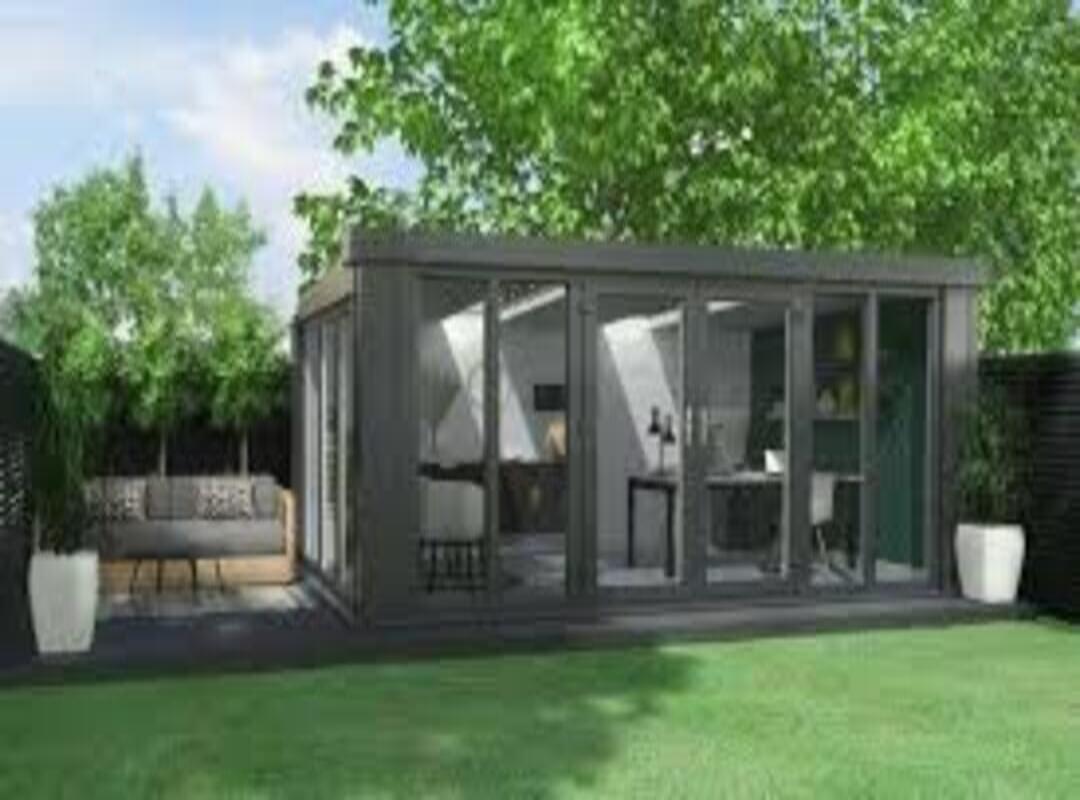
When you’re thinking about adding a garden room to your home, one of the first questions you might ask is whether you need planning permission. Garden rooms are a great way to add extra space for a home office, gym, studio, or playroom, but knowing the rules before you start is important.
In this article, we’ll break down what planning permission means, when you need it, and how to make sure your garden room project meets all the right guidelines. This guide will help you understand the basics without confusing legal words or complicated steps.
What Is Planning Permission?
Planning permission is an approval from your local council that allows you to build something new or make changes to your property. In the UK, many types of construction projects require planning permission, but others are allowed under “permitted development rights.” Garden rooms often fall into this category, meaning many people don’t need formal permission — but there are rules you must follow.
Getting the right approval means you avoid problems later, such as having to remove your garden room because it doesn’t meet the rules.
When You Usually Don’t Need Permission
Many garden rooms can be built without planning permission because they fall under permitted development. Here are the typical conditions:
- Size: The garden room must be a single storey and cover no more than half the total area of your garden (excluding the house footprint).
- Height: If the roof is flat, it usually must be no higher than 3 meters. If it has a pitched roof, height limits may be lower near boundaries.
- Location: The garden room shouldn’t be closer to the road than your home, and it shouldn’t block light or views to neighbours.
- Use: The garden room should be used for purposes that are “incidental” to your home, such as a gym, office, study, or hobby room — not a separate living space.
If your garden room meets all these rules, you most likely do not need planning permission. But you still need to check the details with your local council, because rules can vary by area and property type.
When You Might Need Planning Permission
There are some situations where you do need planning permission for a garden room:
- Size and Position
If your garden room is larger than the limits above, or if it’s too close to property boundaries and roads, you may need approval. - Change of Use
If you plan to use the garden room as a separate living space — like a bedroom or a flat for someone to live in — this is usually considered a change of use and needs planning permission. - Listed Buildings or Conservation Areas
Homes in conservation areas, national parks, or listed buildings often have stricter rules. Even small garden buildings may need permission in these areas. - Building Regulations
Even without planning permission, some garden rooms may need to meet building regulation requirements — especially if they include plumbing, heating, or electrics.
How to Check If You Need Planning Permission
Before you start building, follow these simple steps to see if you need permission:
- Visit Your Local Council Website
Search for “planning permission” and look for information on outbuildings or garden structures. Most councils have clear guides and checklists. - Use the Government’s Planning Portal
The UK Government planning portal has useful tools and diagrams showing what is allowed under permitted development. - Contact Your Council’s Planning Department
If you’re still unsure, calling or emailing your local planning office can save time and confusion. They can confirm whether your plans fit the rules. - Submit a ‘Lawful Development Certificate’ (Optional)
If you want peace of mind, you can apply for a certificate that officially confirms your garden room does not need planning permission. This can help if you sell your home later.
Tips to Avoid Problems
Here are a few helpful tips to keep your garden room project running smoothly:
- Measure Carefully — Know your garden size and where you want the room to go.
- Check Boundaries — Make sure your building isn’t too close to neighbours or the road.
- Think About Use — If it’s just for a gym or office, you’re more likely to stay within permitted development.
- Document Your Plans — Keep drawings and notes in case the council asks later.
Final Thoughts
Garden rooms are a fantastic way to add useful space to your home without the cost and disruption of a traditional extension. For many people in the UK, building one is simple and doesn’t require planning permission — as long as you follow the rules.
However, every project is different, and checking local guidelines first will save time and stress. By understanding the basics and preparing ahead, you can enjoy your new garden room with confidence.
Whether you’re planning a quiet home office, a creative studio, or a cosy gym, knowing when you need permission helps you build smarter and stay within the rules. Happy planning!