

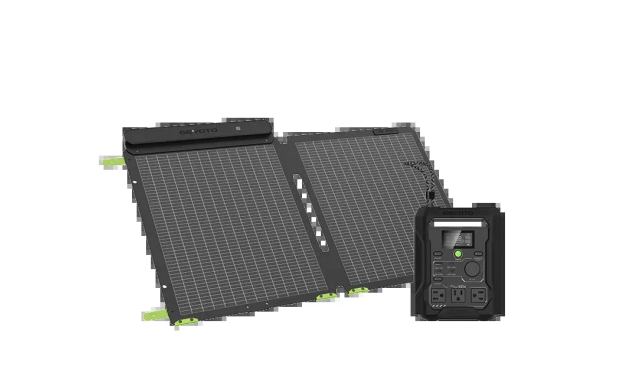
Portable power solutions have become an essential part of outdoor adventures, emergency preparedness, and off-grid living. Whether you are camping in the mountains, traveling in an RV, or preparing for unexpected power outages, portable solar generators provide a clean, quiet, and reliable source of electricity. However, like any valuable investment, they require proper care to perform efficiently for years.
Many people focus only on using their solar generator but overlook regular maintenance. A few simple habits can significantly improve battery performance, increase efficiency, and extend the overall lifespan of your equipment. In this guide, you’ll discover practical tips that will help you keep your solar generator in excellent condition while ensuring dependable power whenever you need it.
Understand Your Portable Solar Generator
Before performing maintenance, it’s important to understand how your system works. A portable solar generator usually consists of three main components:
- Rechargeable battery
- Solar charge controller
- Power inverter
These components work together to collect solar energy, store it in the battery, and convert it into usable electricity for your devices. Since the battery is the most expensive part of the system, protecting it should always be your highest priority.
Follow the Recommended Charging Practices
Proper charging habits have the greatest impact on battery life.
Avoid letting the battery remain completely discharged for long periods. Likewise, continuously keeping it at 100% charge without using it can reduce battery health over time.
Instead, try to:
- Recharge after moderate use.
- Use the manufacturer’s recommended charging methods.
- Avoid unnecessary deep discharges.
- Disconnect charging once the battery reaches full capacity if your unit does not have automatic protection.
Modern lithium batteries perform best when maintained with balanced charging cycles.
Store Your Generator in the Right Environment
Storage conditions directly affect battery longevity.
Keep your generator in a cool, dry location away from direct sunlight. Excessive heat accelerates battery degradation, while freezing temperatures can temporarily reduce battery capacity.
Ideal storage conditions include:
- Dry indoor environment
- Moderate temperatures
- Low humidity
- Protection from dust and moisture
If you won’t be using the generator for several months, store it with around 50% to 80% battery charge instead of completely full or empty.
Clean the Solar Panels Regularly
Dirty solar panels reduce charging efficiency.
Dust, pollen, leaves, bird droppings, and mud block sunlight, causing slower charging speeds.
Use a soft microfiber cloth with clean water to wipe the panel surface. Avoid abrasive brushes or harsh cleaning chemicals that may scratch the protective coating.
If you frequently use portable solar panels for camping, inspect and clean them after every trip, especially if you’ve been in sandy, dusty, or forest environments.
Regular cleaning helps maximize solar energy collection.
Inspect Cables and Connectors
Damaged cables often cause charging problems that many users mistake for battery failure.
Check for:
- Loose connectors
- Bent pins
- Frayed wires
- Cracked insulation
- Corrosion
Secure connections reduce power loss and improve charging efficiency. Replace damaged cables immediately to avoid electrical hazards.
Avoid Overloading the Generator
Every portable solar generator has a maximum continuous power rating.
Connecting appliances that exceed this limit forces the inverter to work harder, generating excess heat and reducing component lifespan.
Before plugging in multiple devices, calculate their combined wattage.
Avoid operating:
- High-powered heaters
- Large air conditioners
- Heavy-duty power tools
Unless your generator is specifically designed for those loads.
Using equipment within the recommended limits keeps internal electronics healthy.
Protect It from Extreme Weather
Although many units are built for outdoor use, they are not designed to withstand severe weather indefinitely.
Protect your generator from:
- Heavy rain
- Snow
- Flooding
- Excessive humidity
- Direct summer heat
When camping, keep it inside a tent vestibule, RV, or weather-resistant shelter while ensuring proper ventilation.
Water entering ventilation openings can permanently damage electrical components.
Use High-Quality Solar Panels
The quality of your charging equipment matters.
Using reliable portable solar panels for camping ensures stable charging voltage and better overall efficiency.
Low-quality panels may produce inconsistent output, slowing charging times and placing unnecessary stress on the battery management system.
Choose panels that are compatible with your generator’s voltage and connector requirements.
Keep Ventilation Open
Portable generators generate heat while charging and powering devices.
Never block cooling vents.
Ensure several inches of space around the unit during operation to allow proper airflow.
Poor ventilation can cause overheating, reducing battery life and potentially activating automatic safety shutdowns.
Update Firmware When Available
Many modern portable solar generators include smart battery management systems.
Manufacturers occasionally release firmware updates that improve:
- Battery optimization
- Charging efficiency
- Safety protections
- Display accuracy
If your model supports firmware updates, check periodically for new software using the manufacturer’s instructions.
Keeping firmware current helps your generator operate at peak performance.
Exercise the Battery Regularly
Batteries perform better when used consistently.
If your generator sits unused for several months, perform a maintenance cycle by:
- Charging it fully
- Using about 30% to 50% of the battery
- Recharging it again
This keeps battery cells balanced and helps maintain capacity.
Even emergency backup generators benefit from occasional use.
Avoid Continuous Maximum Power Output
Running your generator at full capacity for extended periods creates unnecessary heat.
Whenever possible, operate at around 60% to 80% of its rated output.
Lower operating loads reduce wear on:
- Battery cells
- Inverter
- Cooling system
- Internal electronics
Moderate usage extends the life of every component.
Monitor Battery Health
Many generators provide battery information through an LCD screen or mobile app.
Pay attention to:
- Charging speed
- Battery percentage
- Temperature warnings
- Error messages
- Output wattage
Detecting unusual behavior early can prevent costly repairs later.
Use Quality Accessories
Only use recommended charging adapters, extension cables, and accessories.
Cheap or incompatible accessories may provide unstable voltage, causing charging inefficiencies or damaging sensitive electronics.
Manufacturer-approved accessories are typically the safest choice.
Protect During Transportation
Portable generators are built for mobility, but rough handling can still cause damage.
When transporting:
- Secure the generator to prevent movement.
- Avoid dropping it.
- Protect connectors from impact.
- Store cables separately.
- Use carrying cases when available.
Taking care during transportation helps prevent hidden internal damage.
Prepare for Emergency Backup Use
Many homeowners rely on portable solar generators as a CPAP battery backup during power outages.
To ensure reliable emergency performance:
- Test the system every few months.
- Fully charge the battery before storm seasons.
- Verify all required cables are available.
- Practice connecting your essential devices.
Having a dependable CPAP battery backup can provide peace of mind during unexpected electrical outages, especially for individuals who rely on medical equipment overnight.
Don’t Ignore Warning Signs
Early warning signs often indicate small problems before they become expensive repairs.
Watch for:
- Reduced battery runtime
- Slow charging
- Unusual noises
- Overheating
- Frequent shutdowns
- Display error codes
If these issues continue, consult the manufacturer’s troubleshooting guide or authorized service center.
Ignoring symptoms may shorten the life of your generator.
Conclusion
Proper maintenance is the key to getting the most value from portable solar generators. Simple habits like regular cleaning, correct charging, proper storage, and avoiding excessive loads can significantly extend battery life while ensuring dependable performance for years. Whether you’re using your system for outdoor adventures with portable solar panels for camping, preparing emergency supplies, or maintaining a reliable CPAP battery backup, consistent care protects your investment and keeps your power source ready whenever you need it. By following these maintenance tips, you can enjoy safer operation, improved efficiency, and longer-lasting performance from your portable solar generator.