

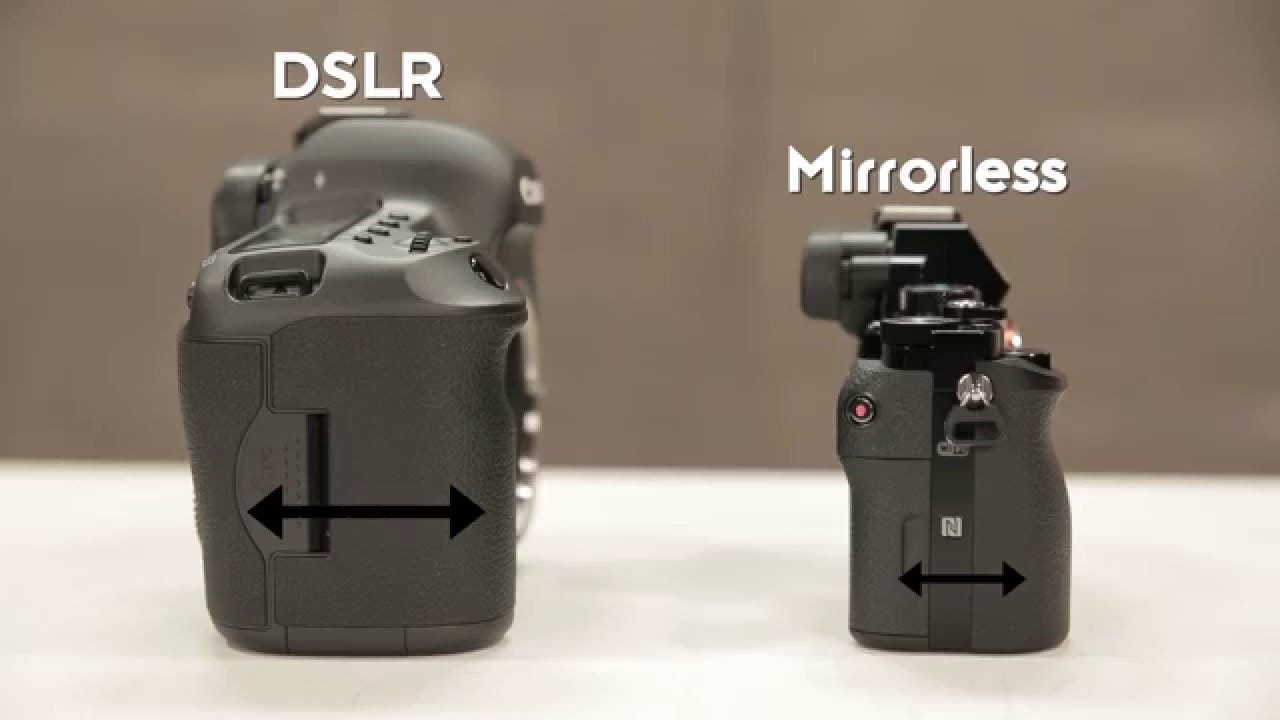
If you’re looking to step up your photography game—whether you’re an aspiring content creator, a hobbyist, or even someone diving into professional photography—you’ve probably stumbled across two major types of cameras: DSLR and mirrorless. Both are incredibly capable, but understanding the differences can help you decide which one is the better fit for your needs, lifestyle, and creative goals.
Let’s explore both types in a human, down-to-earth way—no intimidating tech jargon, just real talk about what actually matters when you’re the one behind the lens.
What Is a DSLR Camera?
DSLR stands for Digital Single-Lens Reflex. It might sound fancy, but it’s basically the modern version of the classic film SLR cameras. Inside a DSLR, there’s a mirror mechanism that reflects light up into an optical viewfinder, giving you a real-time look at what your lens is seeing.
When you press the shutter button, the mirror flips up, the light hits the image sensor, and your photo is captured. Simple, right?
DSLRs have been around for a while, and they’ve earned their reputation. They’re durable, reliable, and packed with features photographers love—like a wide selection of interchangeable lenses and accessories.
What Is a Mirrorless Camera?
As the name suggests, a mirrorless camera skips the mirror altogether. Instead of reflecting light into a viewfinder, it sends the image directly to a digital screen or electronic viewfinder (EVF). This setup makes the camera body smaller and lighter.
Mirrorless technology is newer and advancing fast. Today’s mirrorless models offer jaw-dropping autofocus speeds, better video capabilities, and often even outperform DSLRs in certain areas.
Size and Portability
Let’s be honest—carrying around a bulky camera all day can be a chore. DSLR cameras tend to be larger and heavier, mainly because of that internal mirror system and optical viewfinder.
Mirrorless cameras, on the other hand, are compact and travel-friendly. If you’re a content creator on the go, someone who loves travel photography, or you simply hate lugging around heavy gear, mirrorless is likely the better choice.
That said, some mirrorless cameras with full-frame sensors and large lenses can still be hefty—but overall, they’re more portable than most DSLRs.
Image Quality
Here’s the good news: both DSLRs and mirrorless cameras can produce incredible image quality. At similar price points and sensor sizes (APS-C, full-frame, etc.), the differences are minimal.
What matters more than the camera type is the sensor size and the quality of the lens you’re using. For example, a full-frame DSLR and a full-frame mirrorless will deliver almost identical image quality.
So if you’re worried one is going to be noticeably better than the other in terms of sharpness or color—don’t be. Focus more on features and usability.
Autofocus and Speed
This is where mirrorless cameras start to shine. Because they rely on on-sensor phase detection and contrast detection, they can offer faster and more accurate autofocus, especially in live view and video modes.
Modern mirrorless systems like Sony’s Real-Time Eye AF or Canon’s Dual Pixel autofocus make it super easy to track faces, eyes, or even moving objects.
DSLRs also have excellent autofocus—particularly for still photography using the optical viewfinder—but they can lag a bit in live view or video recording.
If you plan to shoot fast-moving subjects, like wildlife or sports, or if you’re into vlogging or filming, mirrorless might give you that extra edge.
Battery Life
Here’s one area where DSLRs often win: battery life. Since they don’t rely on digital screens or EVFs to display the image all the time, they can take more shots on a single charge.
If you’re heading into the mountains for a day-long hike or covering a wedding without time to recharge, a DSLR can go the distance.
That said, battery technology in mirrorless cameras is improving. And if you don’t mind carrying a couple of spare batteries in your bag, it’s not a dealbreaker.
Lens and Accessory Options
DSLRs have been around longer, which means there’s a massive range of lenses and accessories available—especially for Canon and Nikon users. You can even buy affordable, high-quality used gear with ease.
Mirrorless systems are catching up quickly. Sony, Canon, Fujifilm, and Nikon are releasing powerful new lenses designed specifically for their mirrorless mounts. Some mirrorless cameras can even use DSLR lenses with an adapter, although sometimes with reduced performance.
So if you’re starting fresh, both systems offer plenty of room to grow.
Video Capabilities
If video is important to you, mirrorless cameras have taken the lead. They offer superior autofocus in video mode, better frame rates, 4K (and even 8K) recording, and features like in-body stabilization that make handheld shooting smoother.
Many content creators, YouTubers, and filmmakers now favor mirrorless cameras because of these advantages.
Price and Value
You can find affordable options in both camps. Entry-level DSLRs are often cheaper than mirrorless counterparts and still deliver great quality.
But the gap is closing fast. Mirrorless cameras are getting more budget-friendly while offering more tech for the price. And because mirrorless is where the camera industry is heading, investing in a mirrorless system might give you better long-term value.
Which One Is Right for You?
Here’s a quick cheat sheet based on your style:
- Choose a DSLR if:
- You want excellent battery life.
- You prefer a physical optical viewfinder.
- You want access to tons of affordable used lenses and accessories.
- You’re mostly shooting stills and not too concerned about video.
- Choose a mirrorless if:
- You want a lightweight, travel-friendly setup.
- You need fast, reliable autofocus—especially for video or action shots.
- You’re interested in future-proofing your gear.
- You want top-notch video features.
Final Thoughts
There’s no one-size-fits-all answer—both DSLR and mirrorless cameras are tools, and the best tool depends on how you plan to use it. The good news? You really can’t go wrong with either. Photography is more about your eye, your creativity, and your story than the gear in your hand.