

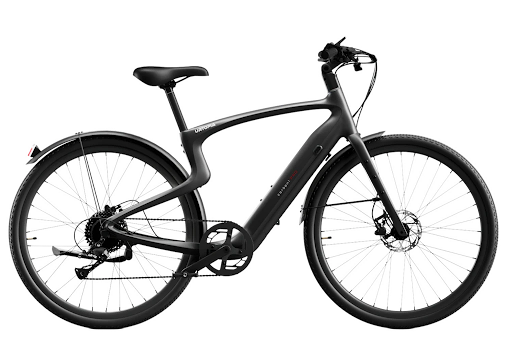
For decades, the American dream was inextricably linked to the chrome and steel of a personal automobile. But as we move through 2026, that dream is idling in a three-mile backup on the 405. Urban density has reached a breaking point, and the “short commute”—that 5-to-10-mile trek that used to take fifteen minutes—now often swallows an hour of your life. It’s no surprise, then, that many professionals are looking at an ebike sale not as a purchase for a hobby, but as a strategic exit from the gridlock.
The fundamental question is no longer whether a battery-powered cycle is “cool,” but whether it is a viable replacement for a 3,000-pound machine for the daily grind. In 2026, the answer is leaning toward a resounding yes.
The Hard Math of Monthly Savings
When you look at the total cost of ownership, the disparity between a car and a cycle is staggering. Even a budget-friendly EV in 2026 carries a hefty monthly payment, insurance premiums that have spiked alongside repair costs, and the constant drain of registration fees. On the flip side, a high-end e bike represents a one-time investment that usually offsets its own cost within the first ten months of commuting.
The operational expenses aren’t even a fair fight. While gas prices fluctuate and public charging stations for EVs have introduced “peak hour” pricing, the cost of charging a bike battery in your apartment or office remains a matter of pennies. Maintenance is equally lopsided; instead of complex transmission flushes or sensor recalibrations, your primary concerns are brake pads, tires, and chain lube—tasks that any local shop can handle for a fraction of a mechanic’s hourly rate.
Reclaiming Your Morning Routine
The most significant advantage of two-wheeled travel in 2026 isn’t the money; it’s the time. In major U.S. metros, the “door-to-door” timing often favors the bike. When you commute by car, your trip doesn’t end when you reach your destination; it ends when you find a parking spot. In downtown cores, the “parking hunt” can add twenty minutes to a commute. An e-bike rider, however, rolls directly to a secure micro-mobility hub or a workplace valet, locking up in seconds.
Furthermore, the expansion of protected bike lanes and “Green Wave” signal priority in cities like Austin, Denver, and DC means cyclists can often bypass the very bottlenecks that trap motorists. You aren’t “in” traffic; you are moving past it. This predictability removes the low-grade anxiety of the morning rush, allowing for a more consistent start to the workday.
Living with the Tech in the Real World
One of the biggest hurdles for the American commuter has always been the “sweat factor.” No one wants to walk into a 9:00 AM board meeting looking like they just finished a stage of the Tour de France. However, 2026 motor technology has effectively solved this. Modern mid-drive motors are now so intuitive that they provide a seamless boost, allowing you to conquer steep hills and headwinds without breaking a sweat. You can arrive in professional attire, feeling energized rather than exhausted.
Safety, once the primary deterrent, has also seen a tech-led revolution. Most premium builds now feature V2X (Vehicle-to-Everything) communication, allowing your bike to “talk” to the surrounding cars, alerting distracted drivers to your presence via their dashboard displays. Combined with the massive federal push for “Complete Streets” infrastructure over the last few years, the perceived danger of riding in traffic has dropped significantly.
The Lifestyle Dividend
Beyond the logistics, there is a mental health component that a car simply cannot replicate. Commuting by car is a passive, often frustrating experience—a “dead time” spent in a climate-controlled box. Cycling is a moving meditation. It provides a “passive fitness” benefit that bridges the gap for sedentary office workers, providing fresh air and a sense of connection to the local environment.
There is also the matter of the environmental footprint. While full-sized EVs are a step in the right direction, they still require massive amounts of raw materials for 1,000-pound batteries. An e-bike offers a much leaner version of sustainability, using roughly 1% of the battery minerals required for a Tesla while providing the same “last mile” utility.
Conclusion
Is the e-bike a total car replacement? For a family of four in the deep suburbs, perhaps not. But for the millions of Americans living within a seven-mile radius of their workplace, the “second car” is becoming an endangered species.
By 2026, the infrastructure, the battery range, and the social acceptance have all aligned. If your daily route is short and your patience for traffic is thin, the transition to two wheels isn’t just a lifestyle trend—it’s the smartest financial and logistical move you can make this year. The 12-month ROI is clear: you’ll save thousands of dollars, dozens of hours, and a significant amount of stress.