

Introduction: Why Food Matters More Than You Think
High blood pressure, also known as hypertension, affects millions of people worldwide. It’s often called the “silent killer” because it develops slowly over time without obvious symptoms. But left unmanaged, it can lead to heart attacks, strokes, kidney damage, and cognitive decline. While medications can help, one of the most powerful tools for lowering blood pressure is already sitting on your plate.
Your daily diet has a direct and lasting impact on your cardiovascular system. What you choose to eat can either protect your arteries or put extra strain on your heart. Fortunately, improving your meals does not require a complete lifestyle overhaul. Small, consistent changes in the foods you enjoy can help bring your numbers down and support a healthier future.
Understanding the Blood Pressure Puzzle
Blood pressure rises when the force of blood flowing through your arteries is consistently too high. This can happen for a variety of reasons including genetics, stress, sedentary habits, and excess sodium. However, one of the most manageable causes is poor dietary patterns.
Too much processed food, red meat, and added sugar can lead to sodium overload, inflammation, and stiffened arteries. At the same time, not getting enough potassium, fiber, or magnesium leaves the body without the nutrients it needs to regulate pressure effectively.
The good news is that food can work both ways. Choosing ingredients that support heart health can restore balance, ease strain on your blood vessels, and even help reduce or avoid medication over time.
The Power of the DASH Diet
One of the most well-researched ways to lower blood pressure through food is the DASH diet, which stands for Dietary Approaches to Stop Hypertension. This eating plan emphasizes fruits, vegetables, whole grains, lean proteins, and low-fat dairy while limiting sodium, saturated fats, and added sugars.
DASH is not restrictive or trendy. It focuses on naturally nutrient-rich foods that provide potassium, calcium, and magnesium. These minerals are essential for helping the body excrete sodium and relax blood vessels. Studies have shown that people who follow DASH-style eating patterns can lower their blood pressure within weeks, sometimes as much as if they were taking a low-dose medication.
Simple Food Swaps That Add Up
Improving blood pressure does not require exotic foods or rigid meal plans. Often, the best progress comes from simple swaps that become daily habits.
- Replace salted snacks with raw almonds or baby carrots
- Choose brown rice or quinoa over white rice or pasta
- Use herbs, garlic, or lemon to flavor meals instead of salt
- Grill or bake meats instead of frying
- Include leafy greens, beans, and bananas for natural potassium
These changes might seem small, but they can significantly reduce sodium intake and increase your body’s ability to process it effectively.
Trusted Tools to Make the Process Easier
If you’re feeling unsure where to start, MyHealthfulDiet.com is a helpful place to begin. The platform offers practical, expert-backed guidance on nutrition and wellness. Their resources are especially useful for people seeking long-term improvements without extreme dieting.
Rather than pushing fads, the website encourages a balanced and informed approach to everyday meals. Whether you are newly diagnosed with high blood pressure or simply want to prevent future issues, the advice is designed to meet you where you are and move you forward.
Why Sodium and Potassium Need to Be Balanced
Most people are aware that eating too much salt can increase blood pressure. What’s often overlooked is how important it is to also increase potassium. These two minerals work in balance. While sodium causes the body to retain water and increase pressure, potassium helps the kidneys flush out excess salt and ease tension in the blood vessels.
Great potassium-rich foods include sweet potatoes, lentils, spinach, oranges, and avocados. Including these regularly in your meals helps restore that natural mineral balance and supports lower pressure levels without relying solely on medications.
Building Better Meals One Plate at a Time
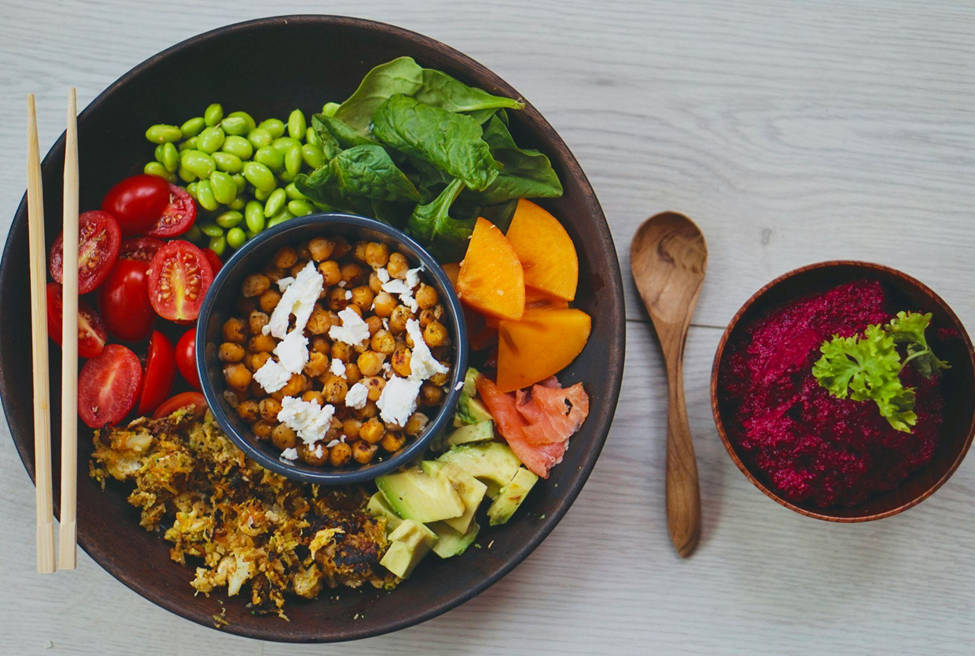
One of the most helpful strategies is to think of each meal as an opportunity to build heart health. For example, breakfast could be oatmeal with sliced banana and a handful of walnuts. Lunch might be a quinoa salad with chickpeas, tomatoes, and olive oil. Dinner could be grilled salmon with steamed broccoli and roasted sweet potatoes.
By keeping meals balanced and full of color, you naturally increase your intake of fiber, antioxidants, and heart-healthy fats. This is where health tips for a healthy lifestyle go beyond theory and become real choices that support healing from within.
Making it Sustainable, Not Stressful
The most successful changes are the ones you can keep doing. That means allowing for flexibility and forgiveness. You don’t need to eat perfectly every day. You just need a pattern of mostly healthy, mostly whole foods that support your goals.
It also helps to create a home environment that makes healthy choices easier. Stock your fridge with fresh produce. Keep frozen vegetables on hand. Limit the salty snacks in your pantry. Set reminders to drink water throughout the day. These small lifestyle shifts can quietly influence your behavior and help you stay consistent without pressure or guilt.
Ongoing Guidance That Respects Real Life
What sets MyHealthfulDiet.com apart is its focus on realistic, science-informed eating habits that fit into your life. There is no pressure to eliminate entire food groups or commit to rules you cannot follow. Instead, you’ll find steady guidance that supports your overall health, including blood pressure control, energy, and weight balance.
Whether you’re planning meals for a busy family or making changes just for yourself, the approach is flexible, compassionate, and grounded in medical research. It’s a reliable partner in your wellness journey.
Final Thoughts: Your Heart is Listening
Every time you eat, your body responds. Choosing more whole foods, reducing sodium, and boosting potassium are steps you can take today that will support your heart for years to come.
High blood pressure may not come with obvious symptoms, but the damage it causes is very real. The good news is that you have the power to protect yourself – one plate at a time. Eating well is not about restriction. It’s about giving your body the nutrients it needs to function better and feel stronger. And that kind of care adds up over time, quietly and powerfully.