

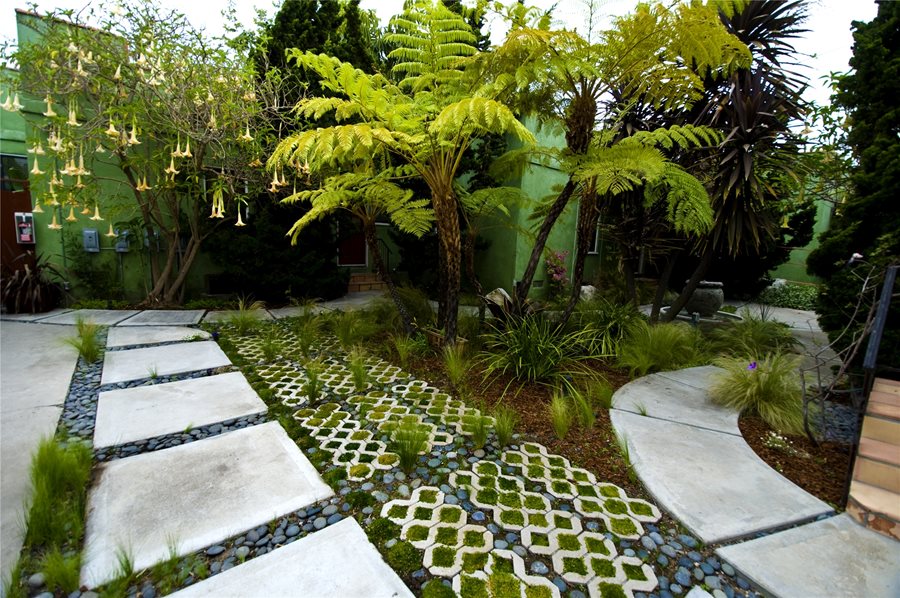
More homeowners are searching for ways to make their gardens more sustainable. A sustainable outdoor space is both low-maintenance and affordable. Using eco-friendly supplies to landscape your garden is a great way to create sustainable gardens. You can turn your garden green by using organic fertilizers and water-saving materials. In this post, we’ll explore how you can create a sustainable yard and the role of Landscape Material Specialists for Pros to help you achieve those green goals.
- Choose Native Plants
A sustainable garden begins with the selection of the right plant. Native plants adapt naturally to your region’s soil, weather, and climate conditions. This means they require less irrigation, fertilizer, and maintenance. Native plants are more resistant to pests, diseases, and chemical treatments than non-native plants. By using native plant species, you reduce the need for synthetic herbicides, pesticides, and fertilizers. These all have the potential to harm the environment.
Landscape material professionals can help choose native plants in your area to ensure your garden flourishes while using minimal resources. They can also recommend water-efficient plants and drought-resistant varieties, perfect for areas that experience water shortages.
- Water Conservation By Smart Irrigation Systems
Water conservation forms the basis of sustainable gardening. By using eco-friendly irrigation systems, your garden will receive the correct amount of water while wasting less precious resources. Smart irrigation systems can detect soil moisture with sensors and adjust their watering schedules accordingly. This reduces the risk of overwatering your plants and helps them grow.
Drip irrigation systems can also be a good choice for gardeners interested in sustainability. Instead of using traditional sprinklers to water plants, drip irrigation delivers the water directly into their roots, reducing water waste and evaporation. These systems require negligible installation and can be tailored to your garden.
Professional landscape material specialists will help you to choose the correct irrigation system for your garden. They can tailor the system to the size and type of plants in your garden. Their expertise will ensure your garden is watered sustainably and efficiently while reducing water usage.
- Sustainable Hardscaping Materials
When not selected wisely, hardscaping features like patios or walkways can negatively impact the environment. Reduce your environmental footprint using sustainable hardscaping products such as recycled stones, permeable bricks, and reclaimed lumber.
Permeable tiles are designed for water to flow through. They reduce runoff by allowing water to be absorbed into the groundwater, making them a perfect choice for patios and pathways. Reclaimed and recycled materials help reduce the use of new raw materials. Use sustainable hardscaping to create an attractive and functional outdoor area while minimizing environmental impact.
Landscape material professionals can help you select sustainable and attractive materials and design an eco-friendly garden without compromising style or function.
- Composting In The Garden
Composting organic wastes like kitchen scraps, yard clippings, and leaves is an effective way to make a garden more sustainable. These materials can provide nutrient-rich soil for your plants and reduce the amount of organic waste that goes into landfills.
Compost helps improve soil quality. In addition, it suppresses unwanted weeds and promotes healthy root growth. Compost is free and easy to use, making it a great addition to any eco-friendly gardening. Many landscape materials specialists can provide you with tips and bins for composting.
- Eco-friendly Lawn Alternatives
Traditional lawns require a great deal of water, fertilizer, and maintenance. Consider eco-friendly lawn alternatives, such as native groundcovers or artificial grass, to replace your grass. These options require far less water and can be much more easily maintained, allowing you to reduce environmental impact without sacrificing a lush green space.
Clover provides nitrogen to soil and is drought-resistant, so it can be used without fertilizers. Native groundcovers, which are tailored to your area’s climate and need less maintenance, are also great options.
Conclusion
Making a sustainable garden does not just involve using eco products. It involves making conscious choices for the benefit of the environment. You can build an eco-friendly garden using native plants. Use smart irrigation and organic fertilizers.
Landscape material specialists can play a vital role in guiding you in making informed decisions on the materials and technologies to use in your yard. Their knowledge will help ensure that the landscape you design is sustainable and will thrive for years. If you follow these strategies, your garden will be low-maintenance and green. This is beneficial to both your home and the environment.