

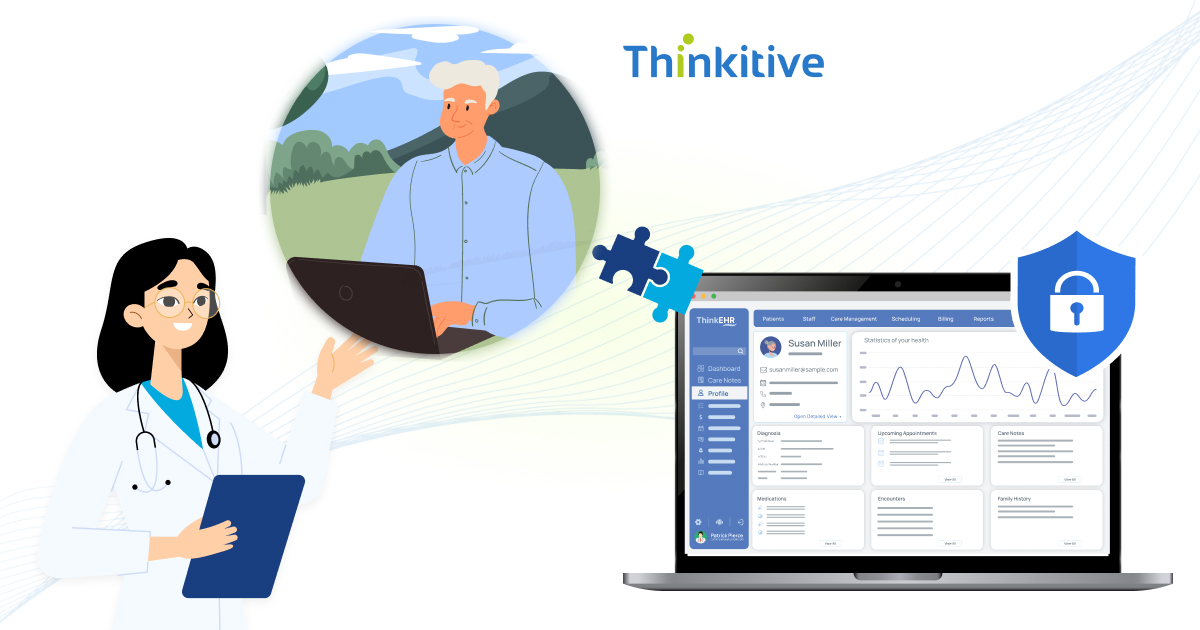
Providing quality care in rural and remote communities has been a persistent challenge in the U.S. healthcare system. With 182 rural hospitals already shut down and nearly 46% of the remaining ones operating at a loss, the 46 million Americans living in these areas are on the verge of a healthcare crisis. Access to essential care is slipping away—and fast.
But it doesn’t have to be this way.
With the adoption of telehealth EHR integration, and virtual care models, rural hospitals have a real opportunity to reverse this trend. These digital tools can bridge gaps in care, bring in much-needed revenue, and even connect patients with specialists hundreds of miles away. Sounds like a win, right?
The catch? Implementation isn’t as simple as flipping a switch.
Many rural healthcare organizations face serious barriers like limited resources, workforce shortages, and, most critically, a lack of reliable technical infrastructure. These challenges are very real, but they’re not impossible to overcome. In fact, with the right strategy and support, rural providers can turn these obstacles into stepping stones toward modernization.
In this blog, we’ll dive into the core challenges of EHR system integration in rural and underserved areas—and explore the practical, scalable solutions that can help these facilities not just stay open, but thrive in today’s digital healthcare landscape.
Unique Challenges Facing Rural Healthcare Integration
When rural healthcare hospitals decide to implement EHR system integration, they face multiple challenges, and the process isn’t a smooth one. They face multiple challenges, from limited budgets to meeting compliance requirements. Let’s look into these challenges one by one.
Rural hospitals often lack the necessary funds to implement EHR integration, as they typically treat a smaller number of patients, resulting in fewer reimbursements. Furthermore, the funds they have available are used to fix buildings, buy medicines, and, if possible, upgrade their technology. Due to these reasons, even if a rural hospital wants to implement telehealth EHR integration, it is often unable to do so.
In urban areas, there is no problem with network and connectivity, but rural areas are mostly disconnected or have very unreliable internet connections. This becomes another barrier in EHR system integration, along with the outdated computers and IT infrastructure. The lack of backup systems exacerbates this problem, as if one system fails, there is no assurance that the data can be recovered.
When you implement EHR integration, it requires technical expertise or an internal IT team to manage it properly; however, in rural areas, it is very difficult to recruit personnel with strong technical knowledge. This further limits the ability of rural healthcare organizations to bring EHR integration into their practice.
Even with limited resources, rural clinics still need to follow and fulfill all the compliance and regulatory requirements like big hospitals. But with only a small team of administrative staff trying to handle everything, it takes much more time and resources than this actually needs.
The Critical Role of Telehealth EHR Integration in Rural Care Delivery
In rural America, accessing healthcare often means driving hours to see a specialist, or worse, going without care altogether. That’s where the magic happens when telehealth and EHR systems are seamlessly connected. It’s not just about video calls—it’s about creating a smarter, more responsive healthcare system where no one falls through the cracks, no matter where they live.
And this is what telehealth EHR integration does and brings specialist care right to the door of patients in rural areas. Moreover, specialists can instantly view all the patient records while talking to the patients and give a much better and accurate diagnosis.
However, its effect does not just end at specialist care; managing chronic care also becomes much more efficient with EHR integration. With remote monitoring devices synced to EHRs, patients with diabetes, heart issues, or COPD can be tracked from home. These tools flag problems early and reduce the burden on already stretched staff.
In emergencies, integrated telemedicine steps in as a lifeline. Rural ERs can connect to specialists 24/7, who can guide care decisions using live data pulled straight from the EHR. This support improves outcomes and helps decide whether a patient really needs to be transferred.
Then there’s the rural mental health crisis. Telehealth EHR tools bring behavioral health right into primary care visits. From screenings to substance abuse treatment coordination, patients get holistic care without the usual barriers.
Cost-Effective Implementation Strategies for Resource-Constrained Environments
When it comes to starting an EHR system integration project, the money needed is not small. However, rural healthcare systems under constant pressure to manage their funds are not able to pull out the funds required. But tight budgets shouldn’t mean missing out on essential technologies like EHR integration. The good news here is that there are smart, cost-effective ways to make it happen.
The first way is to use cloud-based EHR platforms and forego the heavy upfront costs of the servers and IT rooms. It saves money without compromising the efficiency of EHR integration in a slight way. On top of that, with SaaS platforms, you can get features like real-time data sharing and interoperability at a predictable monthly cost.
Furthermore, starting small with a phased approach lets the rural clinics enjoy the benefits faster while reducing the risks significantly. You can start with low-cost, high-impact starting points like integrating lab results or patient demographics. Running a pilot program also helps in proving the value, and you can add more features as your practice grows.
You can also get EHR integration support from governments, as organizations like the Health Resources and Services Administration (HRSA) specifically support rural health tech initiatives. As for solving connectivity issues, broadband funding programs can help you boost your connectivity.
And finally, the right tech partner makes all the difference. Choose a vendor that understands how rural healthcare works and what your exact needs are.
Collaborative Care Models & Network Integration Approaches
If a rural healthcare organization tries to implement EHR system integration, oftentimes it becomes nearly impossible. But if done in numbers and with collaboration, it is much easier and efficient to achieve great results.
If you collaborate with multiple rural hospitals and form a rural health network, then everything from training staff to buying required tech becomes simpler. Moreover, with shared EHR systems, coordinated care becomes possible while using standardized care protocols keeps care continuous, and the patient gets the same quality of care no matter the location.
You can also collaborate with urban hospitals, easily bridging the gap left by the lack of specialist care. EHR integration makes it easy to transfer records from your clinic to a specialist, increasing access to care for rural patients.
Moreover, you can easily integrate with community health programs, which can solve the problems beyond clinics. With these integrations, you can reach patients who face barriers like transportation, food insecurity, or isolation. Also, the integration of social determinants of health data allows care teams to better understand and address the unique challenges facing rural patients.
Finally, by connecting to public health systems, rural hospitals can identify community health trends easily. By identifying the chances of chronic illness and disease outbreaks, they can take preventive measures.
Technology Solutions & Implementation Best Practices
For rural healthcare providers, adopting technology is not just about choosing the right technology; it’s about making it work without any limitations. This is why these organizations need tailored tech solutions and best practices that can make the best use of available resources.
One of the most effective ways to do this is by focusing on mobile-first, low-bandwidth solutions. Clinical staff in rural areas often need to travel between sites, which calls for mobile-optimized EHR systems. More importantly, these systems need to work even offline and function efficiently in low-connectivity areas.
Another critical factor is the user experience. Rural providers wear many hats and rarely have the luxury of extended training sessions. That means systems must have intuitive interfaces that fit seamlessly into their daily workflow.
Security and compliance can’t be ignored, but they need to be scaled appropriately for rural environments. That’s where cost-effective cybersecurity tools and automated compliance monitoring can make a huge difference. These systems reduce the administrative burden while still protecting patient data and maintaining legal standards.
Finally, choosing the right vendor is half the battle. Not every tech company understands the unique challenges of rural healthcare, so vendor selection needs to go beyond features and price. Look for partners with real experience in rural settings, vendors who know what it means to implement technology in a low-resource environment.
Conclusion
Rural healthcare faces several challenges in delivering connected and specialized care because of limited resources and infrastructure. But with the adoption of telehealth EHR integration can change this situation and bring quality care to rural and underserved populations.
However, you need to plan carefully and implement the EHR system integration carefully, along with a possible custom EHR software for more effective care management and delivery.
Frequently Asked Questions
- What are the most cost-effective EHR integration solutions for small rural hospitals and clinics?
For small rural hospitals and clinics, cost-effective EHR integration often involves cloud-based SaaS solutions. These minimize upfront hardware/IT staff costs and offer subscription models. Prioritize user-friendly systems with strong vendor support, essential features like e-prescribing and patient portals, and the ability to integrate with existing lab/billing systems via standard protocols such as HL7 FHIR for seamless data exchange.
- How can rural healthcare providers overcome internet connectivity challenges for cloud-based EHR integration?
Rural providers can overcome internet challenges for cloud-based EHRs by utilizing offline capabilities that sync data when connectivity is restored. Hybrid internet solutions like satellite and mobile hotspots, advocating for broadband expansion, and leveraging government grants also help ensure consistent access and data flow.
- What grant funding opportunities are available specifically for rural healthcare EHR integration projects?
For rural healthcare EHR integration, key funding opportunities include programs from HRSA (Health Resources and Services Administration), USDA Rural Development, Community Facilities, Distance Learning & Telemedicine, and the FCC’s Healthcare Connect Fund. These often target infrastructure, technology, and training to enhance access and quality of care.
- How does telehealth EHR integration specifically benefit rural patient populations and providers?
Telehealth EHR integration significantly benefits rural populations by improving access to specialists, reducing travel burdens, and enabling timely, coordinated care. For providers, it streamlines workflows, reduces administrative tasks, and enhances clinical decision-making with comprehensive patient data, ultimately improving care quality and efficiency in underserved areas.
- What are the minimum technical requirements for successful EHR integration in rural healthcare settings?
Minimum technical requirements for successful EHR integration in rural healthcare include reliable internet connectivity, affordable and lightweight cloud-based or SaaS EHR solutions, customizable workflows, basic hardware (computers/tablets), interoperability features, strong data security, and comprehensive staff training to ensure effective adoption and ongoing use.
- How can rural healthcare networks collaborate to share EHR integration costs and resources?
EHR infrastructure, security, and staffing costs, with one hospital acting as the host. They can also jointly pursue grants, negotiate with vendors for group discounts, and share training and connectivity resources to reduce individual financial burdens.
- What unique security challenges do rural healthcare providers face with EHR integration?
Rural healthcare providers face unique EHR security challenges due to limited budgets, a shortage of IT and cybersecurity expertise, and often inadequate broadband infrastructure. These factors make it difficult to implement robust security measures, respond to incidents, and keep systems updated, leaving them vulnerable to cyberattacks.
- How can rural providers ensure adequate staff training and support for new integrated systems?
Rural providers can ensure adequate staff training through accessible online courses, virtual simulations, and partnerships with larger healthcare institutions. Ongoing support is crucial, including mentorship, peer-to-peer learning, and consistent technical assistance to address system-related challenges.
- What are the key considerations for rural healthcare providers when selecting EHR integration vendors?
Key considerations for rural healthcare providers when selecting EHR integration vendors include interoperability with existing systems, ease of use, vendor experience with rural clinics, customization options, affordability, strong customer support, and alignment with the provider’s unique clinical and operational needs.
- How does EHR integration help rural providers meet regulatory compliance requirements with limited staff?
EHR integration helps rural providers meet regulatory compliance by automating documentation, streamlining billing, and ensuring accurate, up-to-date records with minimal manual effort. This reduces the administrative burden on limited staff, supports accurate coding and billing, and improves audit readiness, helping providers efficiently meet compliance requirements.
- What role does mobile technology play in rural healthcare EHR integration strategies?
Mobile technology is crucial in rural healthcare EHR integration by enabling providers to access and update patient records via smartphones and tablets, improving care coordination, streamlining documentation, and supporting telemedicine services even in areas with limited connectivity. This enhances efficiency, continuity, and quality of care for rural populations.
- How can rural healthcare providers measure ROI from EHR integration investments?
Rural healthcare providers can measure ROI from EHR integration by tracking net profit versus investment, operational efficiencies, reduced expenses, improved clinical outcomes, and patient satisfaction. Metrics include increased revenues, cost savings, reduced errors, faster reimbursements, and enhanced provider productivity and job satisfaction.