

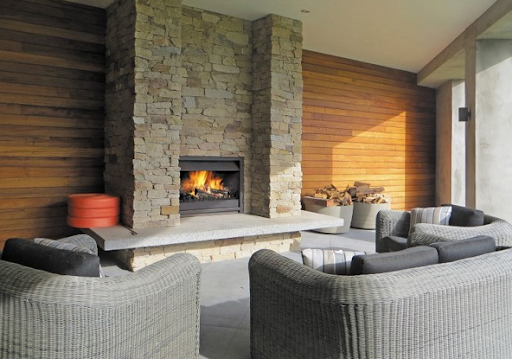
Melbourne winters confuse people. One week it’s mild and pleasant, the next week genuinely freezing. Central heating works fine technically, but there’s something fundamentally different about gathering around actual flames. Fireplaces in Melbourne aren’t really about efficient heating despite what marketing suggests. They’re about how homes transform when fire becomes the focal point rather than just background comfort. Families actually congregate differently. Guests behave differently. Everything changes in subtle yet profound ways that nobody expects until experiencing it firsthand.
Guests Actually Stay Longer
Something bizarre happens when people enter homes with fireplaces. They linger. Without conscious intention, visitors gravitate toward the fireplace and settle in rather than perching awkwardly on furniture elsewhere. Conversations flow differently. People relax visibly. Hosts notice guests dropping shoulders, uncrossing arms, becoming genuinely comfortable rather than simply present. Evening gatherings extend naturally. Nobody checks phones obsessively. The fireplace creates conversation gravitational pull that televisions and other entertainment fail achieving. This isn’t marketing nonsense—it’s observable human behaviour. Homes without fireplaces feel more transactional. Homes with them feel genuinely welcoming.
Children Remember These Moments
Melbourne parents sometimes dismiss fireplaces as unnecessary given modern heating systems. Kids tell different stories later. They remember winter evenings near flames far more vividly than comfortable temperatures achieved through hidden infrastructure. Stories get retold decades later involving fireplace settings. The ritual aspects matter more than actual warmth. Making hot chocolate whilst sitting nearby. Reading books during winter afternoons. These become foundational childhood memories. Adults reflect nostalgically about fireplace moments from their own childhoods. Creating similar experiences for their own children becomes unconsciously important. The emotional imprint fireplaces create affects how people parent and what environments they value.
They Break the Screen Obsession
Modern homes struggle fighting screen dominance. Fireplace gatherings naturally reduce phone usage without requiring willpower or family rules. The flames provide sufficient visual interest. Conversation flows without artificial stimulation. Children become bored with screens more quickly in fireplace settings, then actually engage with people nearby. Parents notice reduced argument about technology limits when fireplaces exist. The psychological shift away from screens happens organically. Nobody’s fighting against devices because the environment simply doesn’t encourage that behaviour. This cultural shift within homes proves surprisingly difficult achieving otherwise.
Melbourne’s Climate Uncertainty Works Perfectly
The city’s unpredictable weather creates genuine value proposition. Unexpected cold snaps arrive suddenly. Central heating takes time activating. Fireplaces provide immediate warmth and comfort whilst waiting for main systems engaging. This practical reliability matters beyond theoretical benefit. People actually use them during genuine cold periods rather than merely decorative use. The independence from electrical systems appeals to homeowners who’ve experienced outages. Knowing heat remains available regardless of grid status creates genuine peace of mind. This reassurance proves particularly valuable during spring and autumn when weather swings widely.
They Change How Spaces Function
Rooms with fireplaces reorganise around them naturally. Furniture arrangement shifts. Lighting patterns change. The entire spatial experience transforms. Cold corners get occupied differently. Dead spaces near fireplaces suddenly become desirable. Interior designers understand this phenomenon. Spaces become three-dimensional rather than flat. The fireplace creates depth and purpose extending through entire rooms. This spatial transformation affects how families use homes. Activities migrate toward fireplaces creating different movement patterns through spaces. Homes feel larger paradoxically through this reorganisation of usage patterns.
The Ritual Aspect Matters More Than Expected
Tending fires, managing temperature, adjusting flames—these activities create satisfying rituals missing from modern climate control. The active engagement feels different psychologically. People appreciate responsibility for comfort rather than passive system reliance. Seasonal preparation becomes meaningful. Spring cleaning includes fireplace maintenance. Winter planning involves fuel storage. These preparations create anticipation and intentionality about seasons. The rhythm feels more connected to natural cycles. This psychological dimension extends beyond mere heating functionality.
Conclusion
Fireplaces in Melbourne work because they address psychological needs alongside physical comfort. The gathering, the emotional resonance, the environmental change—these matter more than efficient heating capacity. Families discover homes with fireplaces feel fundamentally different emotionally. The investment returns through intangible wellbeing improvements nobody quite anticipated beforehand.