

Are your bones ready to support you through the golden years of life? As we age, brittle bones can turn daily tasks into painful challenges.
This article explores breakthroughs in osteoporosis care, offering hope and better outcomes for older adults. Managing osteoporosis today looks significantly different than a decade ago.
If you or a loved one face bone health concerns, this article provides essential information for feeling stronger.
Personalized Medicine
Doctors now tailor osteoporosis treatments to each individual patient. They consider factors like genetics, health history, and lifestyle. This approach helps create a more targeted and effective care plan.
Personalized care reduces medication side effects. Patients are more likely to respond well when treatments match their unique needs. This strategy also helps detect problems early and adjust treatment quickly.
New Drug Therapies
New drugs, including romosozumab and denosumab, offer innovative treatment options for osteoporosis in older adults. Romosozumab is a new drug that builds bone density while simultaneously reducing bone loss. It works faster than many older medicines.
Denosumab is administered by injection, often preferred by patients for its ease of use. These drugs help by stopping the cells that break down bone. This makes them useful for patients with a high fracture risk.
Improved Screening Tools
Bone density tests, particularly the DEXA scan, remain the gold standard for assessing osteoporosis. However, doctors now also use tools like FRAX to assess a patient’s fracture risk. These tools assist in identifying patients who may need treatment sooner.
Artificial intelligence is also improving screening. It can detect patterns in scans that doctors might miss. This allows for better tracking of bone health over time.
Focus on Fall Prevention
Falls constitute a significant cause of fractures among the elderly. New tools like smart watches and home sensors help alert caregivers when someone falls. These tools can also monitor movement to identify potential fall risks.
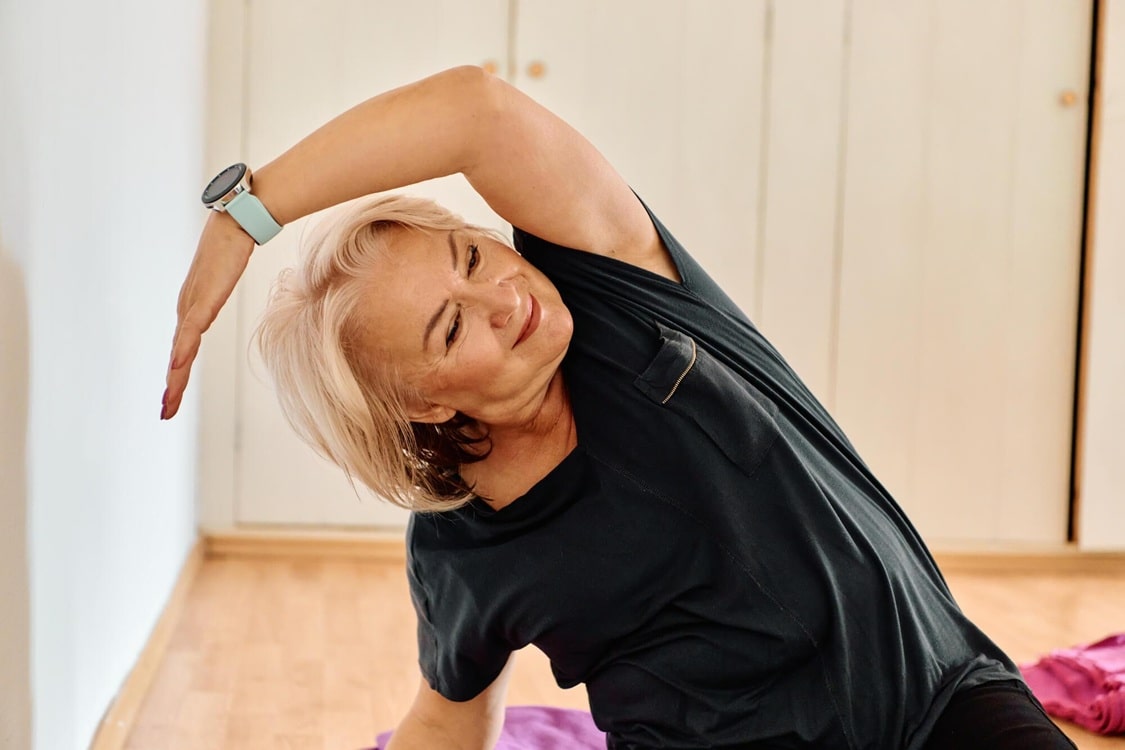
Exercise programs designed to improve balance have become integral to many care plans. These programs include activities like yoga, tai chi, and specialized balance classes. They help seniors stay steady and reduce their risk of injury.
Nutrition and Gut Health
A healthy diet plays a crucial role in maintaining bone strength. Calcium and vitamin D remain the most essential nutrients for bone health. Many care plans also incorporate probiotics to promote gut health.
Research shows that gut bacteria may affect how the body absorbs nutrients. A healthy gut may help bones stay stronger. This has sparked a focus on foods and supplements that enhance nutrient absorption.
Multidisciplinary Care
Osteoporosis care frequently involves a comprehensive team of specialists. Doctors collaborate with physical therapists, dietitians, and pharmacists to provide holistic support to the patient. Each specialist brings a unique skill set to the care plan.
This collaborative approach addresses all aspects of the patient’s life. It includes medication, exercise, and healthy eating. Learning more about living with osteoporosis can empower patients to make informed choices and feel more in control of their care.
Smart Choices Lasting Strength
Aging does not have to mean weakening. With the right care, the body can remain strong and supported even in later years. Osteoporosis is common, but it doesn’t have to dictate one’s life.
The power lies in staying informed and choosing the right path early. The future of bone health is increasingly smarter, safer, and more personalized.
Did you learn anything new from this article? If so, be sure to check out our blog for more educational content.