

Firearms have played a prominent role in various aspects of society—from sport and recreation to personal protection and professional defense. While the concept of owning a firearm is familiar to many, responsible handling and usage go far beyond simple possession. Whether someone owns a firearm for self-defense, target practice, or competitive sport, training and continued education are essential. The importance of structured environments for developing those skills cannot be overstated.
Structured practice environments not only help gun owners sharpen their abilities but also reinforce safe handling habits, build confidence, and support ethical responsibility. In today’s world, where discussions about firearm use are often polarizing, it’s essential to highlight the importance of responsible and informed firearm ownership rooted in training and discipline.
The Core Principles of Firearm Safety
Before any firearm is loaded, aimed, or fired, the fundamentals of safety must be fully understood. These core principles are universal and non-negotiable. They form the basis of every responsible interaction with a firearm:
- Treat every firearm as if it is loaded.
- Always point the firearm in a safe direction.
- Keep your finger off the trigger until ready to shoot.
- Be aware of your target and what lies beyond it.
These rules are not just theoretical—they are life-saving habits that should become second nature. Every accident that occurs with a firearm can typically be traced back to the neglect of one or more of these simple rules.
Understanding different types of firearms is also critical. From handguns and shotguns to rifles and semi-automatic platforms, each has its own mechanics and safety protocols. Familiarity with a firearm’s operation, maintenance, and handling procedures is a prerequisite to safe use.
The Value of Consistent Training
Even the most basic understanding of firearm handling is insufficient without regular, structured practice. Firearms, much like musical instruments or athletic skills, require consistent repetition to master. Accuracy, speed, and safety improve only through sustained effort over time.
Training is not a one-time event—it is a continuous process. New firearm owners must begin with foundational knowledge, such as grip, stance, sight alignment, and trigger control. These core skills are built upon in layers, integrating increasingly complex tasks like shooting while moving, target transitions, or reloads under time pressure.
As skills improve, so too does the need for feedback. Whether through private instruction, group classes, or digital aids, feedback helps correct errors, reinforce good habits, and ensure progression. The journey from novice to expert is one marked by practice, correction, and dedication.
Structured Practice Environments
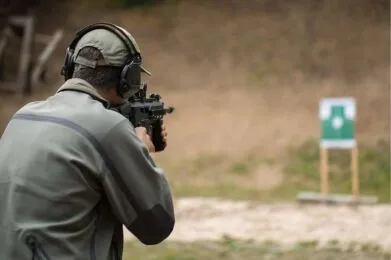
One of the most effective environments for firearms training is the shooting range. These dedicated facilities provide safe, controlled spaces for individuals to learn, practice, and refine their firearm skills. A shooting range typically features marked shooting lanes, target systems, and strict safety protocols. These features create the ideal conditions for learning without distractions or dangers that could occur in unregulated settings.
Beyond the basics, many ranges offer advanced options: moving targets, low-light conditions, or scenario-based training. Some even include tactical courses and simulated defense environments that mimic real-world situations. This variety allows shooters to challenge themselves in diverse scenarios and better prepare for their intended application—be it personal defense, sport, or duty use.
At a shooting range, participants also benefit from professional supervision and instruction. Certified range officers and instructors can provide immediate guidance, ensuring both safety and skill enhancement. This is particularly useful for beginners who may not yet be comfortable with their firearm or confident in their abilities.
Developing a Responsible Mindset
Skill development is only one aspect of firearm training. Equally important is the cultivation of a responsible mindset. Firearm ownership is a right in many parts of the world, but with that right comes a tremendous responsibility—one that includes legal, ethical, and psychological dimensions.
Understanding when and how to use a firearm is a critical component of responsible ownership. This means knowing applicable laws about self-defense, safe storage practices, and transport regulations. It also involves emotional control and sound judgment, especially in high-pressure situations.
One goal of training is to reduce the potential for panic-based decisions. Training under stress—in a safe, guided setting—can help individuals manage adrenaline and respond rationally in real-life scenarios. Whether you’re a civilian with a concealed carry permit or a law enforcement officer, stress inoculation through training is crucial.
Moreover, ethical responsibility extends to how firearms are stored and accessed. Proper safes, trigger locks, and access control are key to preventing unauthorized use, particularly in homes with children. Education around these topics should be considered just as essential as physical training.
Technology and Firearm Training
Technological innovations have brought significant changes to how firearm training is conducted. Dry-fire laser trainers, mobile applications, and interactive simulators are increasingly used to supplement live-fire training. These tools allow users to practice drills, improve reaction time, and work on trigger control without the need for ammunition or a physical shooting location.
Smart targets and feedback systems can instantly analyze shooting patterns, identifying areas for improvement and helping shooters track progress over time. Some systems use augmented reality to replicate self-defense situations or law enforcement challenges, helping individuals develop better situational awareness and decision-making.
Such technologies are not meant to replace traditional training but to enhance it. They provide affordable, safe, and accessible ways to keep skills sharp between sessions at a live-fire range.
Competitive Shooting and Skill Progression
Competitive shooting is one of the most effective ways to push skill boundaries and test oneself under pressure. Organized events, such as USPSA (United States Practical Shooting Association), IDPA (International Defensive Pistol Association), or 3-Gun competitions, introduce a dynamic and fast-paced environment that combines speed, accuracy, and decision-making.
While not everyone aspires to compete, the structure and accountability found in competitive shooting translate well to defensive and recreational skills. Shooters learn to solve problems quickly, make precise shots under time constraints, and maintain composure in challenging environments.
Competition also encourages camaraderie and continuous learning. Participants often share tips, techniques, and gear recommendations, creating a sense of community and shared responsibility. These positive social dynamics help reinforce the culture of safety and respect that is foundational to responsible gun ownership.
Ongoing Education and Legal Awareness
Laws surrounding firearm ownership, carry rights, and use-of-force vary significantly and can change over time. Staying informed is a crucial part of responsible ownership. Firearms training should therefore include a legal education component, ensuring users understand not only how to shoot, but also when and why shooting may be justified—or illegal.
Courses on the legal use of deadly force, understanding stand-your-ground laws, and learning about civil liability in self-defense incidents can provide clarity and reduce the risk of legal complications. It’s not enough to be accurate on the range—owners must also be legally prepared for any situation they may encounter.
Many institutions and advocacy organizations offer updated courses, seminars, or online resources to help gun owners stay educated. Taking advantage of these opportunities demonstrates a commitment to lifelong learning and responsible citizenship.
The Role of Mentorship and Community
Mentorship plays an often-underestimated role in developing safe, skilled firearm users. New shooters can benefit greatly from experienced mentors who model proper habits, guide skill development, and provide emotional support. This is especially true for younger individuals, women entering the firearm space, or those overcoming a fear of firearms.
Communities that prioritize education and safety elevate everyone’s standards. Group training, safety briefings, and club activities help foster an environment where knowledge is shared and responsibility is emphasized. When gun owners engage each other constructively, it leads to fewer accidents, stronger public understanding, and better outcomes across the board.
Conclusion
Owning and using a firearm is not a casual responsibility—it’s a commitment to safety, education, and continued growth. Whether for personal defense, recreation, or professional duty, the key to mastering firearm use lies in consistent, responsible training.
A structured, well-supervised shooting range in Elizabethtown NC offers the ideal environment to build and maintain these skills. Within the controlled and supportive atmosphere of a shooting range, individuals can refine their technique, enhance their understanding of safety, and gain confidence in their ability to handle a firearm responsibly. A shooting range isn’t just a place to shoot—it’s a place to learn, grow, and commit to a culture of safe, ethical firearm use.
Ultimately, the responsible gun owner is not defined solely by ownership but by behavior, preparation, and attitude. Training is not just about skill—it is about shaping a mindset that prioritizes safety, legality, and the well-being of others. When education and accountability are placed at the forefront, firearms can be used effectively, safely, and ethically, ensuring they remain tools of protection and recreation rather than sources of fear or tragedy.