

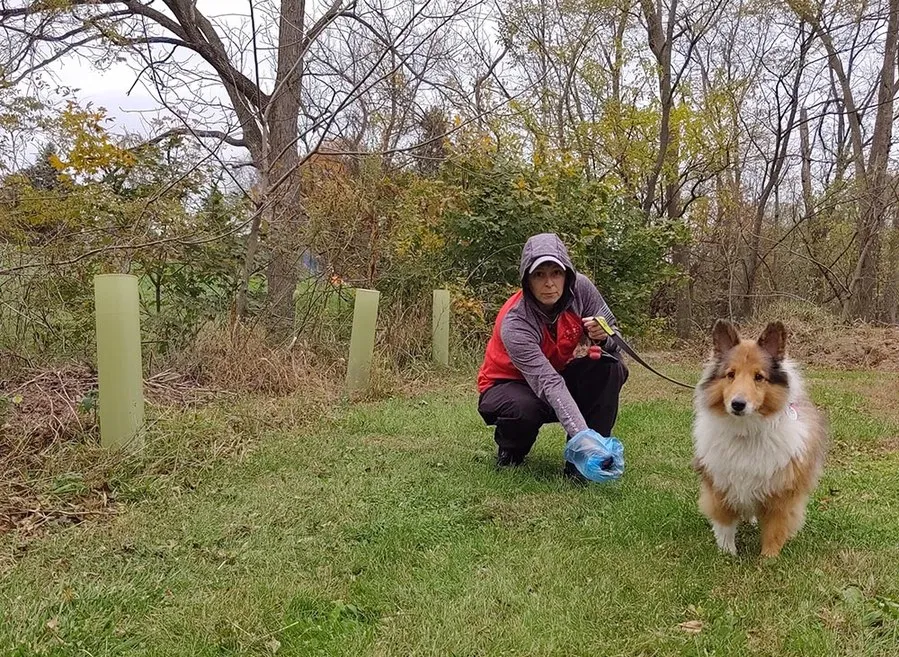
Pet ownership brings immense joy and companionship, but it also comes with a range of responsibilities—some of which are less than glamorous. One of the most overlooked, yet essential, aspects of owning a pet is managing their waste. While it might be tempting to ignore this small daily chore, the consequences of neglecting pet waste disposal can affect communities, public health, and the environment. Fortunately, with the right habits and tools, this task can be handled easily, efficiently, and with minimal fuss.
Why Pet Waste Cleanup Matters
Whether you’re the owner of a dog, cat, or another domesticated animal, the necessity of waste cleanup should never be underestimated. Leaving pet waste unattended in public areas or private yards doesn’t just create a mess—it poses serious health and environmental threats.
Dog and cat feces contain harmful bacteria and parasites that can be transmitted to humans and other animals. These include pathogens such as E. coli, salmonella, and parasitic worms. Children who play outside, other pets, and even adults can be exposed to these dangers through contaminated soil, water, or accidental contact. Moreover, pet waste does not simply decompose and disappear harmlessly. It can linger for weeks, leaching bacteria into groundwater and storm drains.
When pet waste is carried into waterways, it becomes a contributor to pollution and ecological damage. High nutrient content in waste, especially nitrogen and phosphorus, can disrupt aquatic ecosystems by promoting harmful algae growth. This phenomenon, known as eutrophication, reduces oxygen levels in water bodies and leads to dead zones that are inhospitable for fish and other wildlife.
Health Risks Associated with Improper Waste Disposal
There’s a common misconception that animal waste is the same as fertilizer and can be left to naturally decompose. In truth, animal waste is significantly different from compostable livestock manure. Domesticated animals often carry different pathogens due to their diets and environments, and their waste requires careful disposal.
Some of the health risks associated with pet waste include:
- Toxocariasis: A parasitic infection transmitted through roundworm eggs found in dog feces. Children are particularly vulnerable to this condition.
- Giardiasis: A gastrointestinal infection caused by the parasite Giardia, often spread through contaminated water or direct contact with infected feces.
- Campylobacteriosis: A bacterial infection that can result in diarrhea, fever, and cramps, commonly transmitted via pet waste.
- Parvovirus: A highly contagious virus affecting dogs, especially puppies, that can survive in contaminated soil for long periods.
Addressing these risks means making waste collection a non-negotiable part of daily pet care routines.
Social Responsibility and Community Standards
Owning a pet is more than a personal decision—it’s a community issue. Pets and their behaviors inevitably influence others, particularly in shared spaces like parks, sidewalks, trails, and neighborhoods. It’s essential that pet owners do their part to maintain cleanliness and safety for everyone who uses these public areas.
Ignoring waste cleanup can lead to community tension and reinforce negative stereotypes about pet owners. Worse, it can invite fines or penalties in many jurisdictions where pet waste management is mandated by law. By cleaning up after pets and encouraging others to do the same, owners contribute to more livable, enjoyable shared spaces.
The Convenience of Modern Tools
Thanks to a range of modern tools, there’s no excuse for leaving pet waste behind. From biodegradable bags to high-efficiency scoopers, today’s pet care market offers countless products designed to make waste collection simpler and cleaner.
Among these innovations is the Poop Scooper, a must-have tool for pet owners who want a quick, hygienic, and hands-free way to collect pet waste. A Poop Scooper is typically designed with a long handle and jaws or a tray system that picks up waste without the need for bending or direct contact. Some models are foldable and lightweight, making them ideal for use both at home and during walks.
The Poop Scooper reduces the mess associated with using thin plastic bags and makes it easier for people with physical limitations to perform this essential task. It’s an especially useful tool for homeowners with large yards or multiple pets, enabling them to keep their space clean with minimal effort.
How to Properly Dispose of Pet Waste
Simply scooping waste is only part of the process. Proper disposal is equally important. Here are some best practices:
- Use biodegradable bags: If you’re not using a scooper, biodegradable waste bags are a more environmentally friendly alternative to traditional plastic bags.
- Seal and toss in designated bins: Always seal the waste tightly and dispose of it in trash receptacles marked for pet waste.
- Avoid flushing: Flushing pet waste, especially cat feces, can introduce harmful organisms like Toxoplasma gondii into the water system.
- Designated compost systems: Some cities offer composting programs specifically for pet waste. Homeowners can also invest in pet waste compost bins, though they must follow strict guidelines to prevent contamination.
Training and Routine Building
Encouraging good habits in both pets and their owners helps reduce the waste problem over time. Here are a few training and habit-forming tips:
- Establish potty zones: Teach your dog to use a specific area in the yard for waste, making it easier to collect and dispose of.
- Walk with waste supplies: Never leave the house without waste bags or your scooper.
- Reward cleanup routines: Create a checklist or use mobile reminders to keep waste cleanup part of your daily to-do list.
Involving family members, especially children, in waste cleanup tasks can instill responsibility and hygiene awareness from a young age.
The Environmental and Economic Cost of Negligence
Neglecting pet waste doesn’t just impact health—it can strain community resources. Municipalities often spend significant funds cleaning up dog parks, sidewalks, and recreational areas due to negligent pet owners. These costs, which could be invested in infrastructure, education, or healthcare, instead go toward sanitation services and maintenance.
Environmentally, the cumulative effect of neglected waste results in long-term damage. It pollutes water, damages soil quality, and contributes to the urban runoff that carries toxins and bacteria into lakes, rivers, and oceans.
A Culture of Accountability
Promoting a culture of accountability starts with leading by example. Responsible pet ownership means taking full ownership of a pet’s impact on the world around them. Social media campaigns, community bulletin boards, and park signage are all useful tools to remind others of the importance of cleaning up.
Encouraging others politely, sharing tools like the Poop Scooper, or simply making pet care easier for someone struggling can foster a stronger sense of collective care. Peer influence plays a powerful role in setting standards and ensuring community cleanliness.
Innovations on the Horizon
As the pet industry continues to expand, companies are exploring even smarter waste management solutions. From odor-neutralizing scoopers to robotic cleanup devices for yards, the future of pet waste disposal is moving toward automation and increased convenience.
Some urban areas are even experimenting with smart waste bins that track disposal rates or provide incentives for responsible behavior. These advancements signal a growing awareness of the issue—and a commitment to resolving it.
Final Thoughts
Taking care of a pet is more than feeding, walking, and playing. It means being mindful of the environment, health, and community spaces. Pet waste, if unmanaged, becomes a nuisance and a hazard. But with the right approach, tools, and mindset, cleanup becomes just another part of responsible care.
Tools like the poop scooper in Canal Fulton , combined with good habits and community awareness, go a long way in preserving the beauty and safety of shared environments. It’s a simple task with powerful consequences—one that every pet owner should take seriously.