

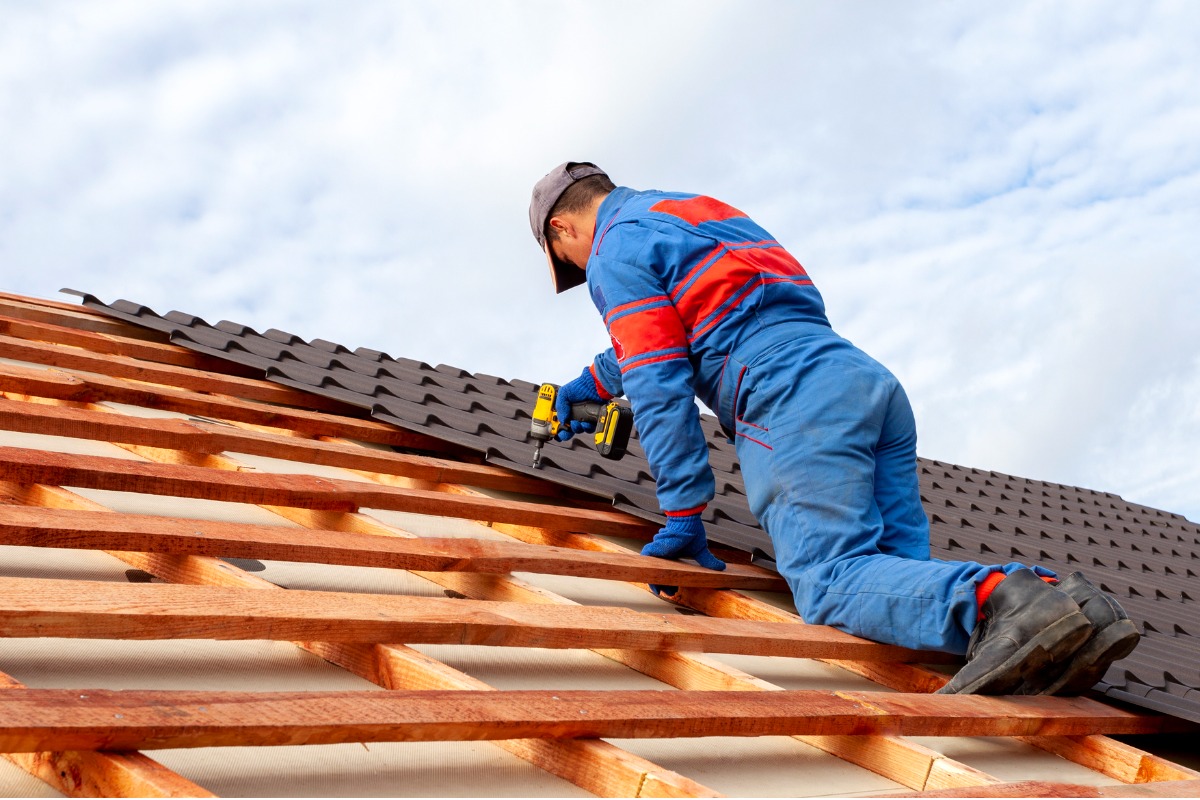
Your roof stands as the steadfast guardian of your home, shielding it from the elements day in and day out. However, as resilient as it may seem, even the sturdiest of roofs require maintenance and occasional repairs to ensure they continue to provide reliable protection. From minor leaks to major structural damage, addressing roof issues promptly can save you from costly repairs and safeguard the integrity of your home. In this comprehensive guide, we delve into the world of roof repairs, offering insights on detection, prevention, and necessary actions to keep your shelter in top condition.
Detecting Roof Problems:
- Inspect Regularly: Conducting routine inspections is crucial for catching potential issues early. Look for signs of damage such as missing or cracked shingles, sagging areas, or water stains on the ceiling.
- Check Gutters and Downspouts: Clogged gutters can lead to water buildup on the roof, causing rot and deterioration over time. Ensure gutters are clear of debris and that downspouts direct water away from the foundation.
- Look for Interior Signs: Don’t overlook interior clues of roof damage, such as water stains on walls or ceilings, peeling paint, or mold growth. These indicate potential leaks that need immediate attention.
Common Roof Problems:
- Leaky Roofs: Whether due to damaged shingles, flashing, or improper installation, leaks can lead to water infiltration and structural damage if left untreated.
- Shingle Damage: Shingles can crack, curl, or become loose over time, compromising the roof’s ability to shed water effectively.
- Flashing Issues: Flashing, the metal strips installed around roof penetrations like chimneys and vents, can deteriorate or become dislodged, creating openings for water to seep in.
- Ponding Water: Flat or low-slope roofs may experience ponding water, which can accelerate roof deterioration and lead to leaks if not addressed.
Essential Roof Repair Steps:
- Assess the Damage: Begin by identifying the extent of the damage through a thorough inspection. Determine whether repairs can be DIY or if professional assistance is necessary.
- Gather Materials: Depending on the type of repair needed, gather the appropriate materials and tools. This may include replacement shingles, roofing cement, flashing, nails, and safety gear.
- Execute Repairs: Follow proper repair techniques, ensuring all damaged areas are adequately addressed. Whether replacing shingles, sealing leaks, or repairing flashing, attention to detail is paramount for long-lasting results.
- Consider Professional Help: For complex repairs or if safety is a concern, enlist the services of a reputable roofing contractor. Their expertise and experience can ensure the job is done efficiently and effectively.
Preventative Measures:
- Regular Maintenance: Schedule annual roof inspections and maintenance to catch potential issues early and prolong the lifespan of your roof.
- Trim Overhanging Branches: Branches rubbing against the roof can cause damage to shingles and facilitate the growth of moss and algae. Trim back branches to prevent unnecessary wear and tear.
- Invest in Quality Materials: When replacing your roof or conducting repairs, opt for high-quality materials that offer durability and longevity. Investing upfront can save you from frequent repairs down the line.
- Proper Ventilation: Ensure your attic is adequately ventilated to prevent moisture buildup, which can lead to mold growth and premature roof deterioration.
Conclusion:
Maintaining a sound roof is essential for protecting your home and ensuring its longevity. By staying vigilant, addressing issues promptly, and investing in preventative measures, you can safeguard your shelter from the elements and avoid costly repairs in the future. Whether tackling minor repairs yourself or seeking professional assistance, prioritize the health of your roof to preserve the integrity of your home for years to come.