

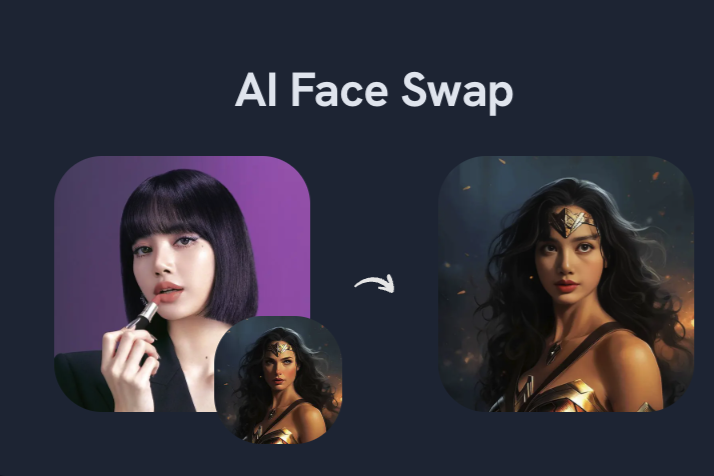
Face swap technology has become very popular recently. It allows people to change faces in photos or videos, creating fun and sometimes surprising results. With apps and websites like Face Swap AI, anyone can quickly swap faces with friends, celebrities, or even fictional characters. There are also tools for Image Swap and Video Swap, making it easy to edit both pictures and videos.
While this technology is exciting and creative, it also comes with important ethical questions. It is important to think about how face swap tools are used and how they affect others. Here are some key ethical considerations everyone should keep in mind when using face swap technology.
1. Respect for Privacy
When swapping faces, it is essential to respect people’s privacy. Using someone’s face without their permission can be hurtful and even illegal in some places. Always ask for consent before using another person’s image, especially if you plan to share the result online or in public.
2. Avoiding Harmful or Misleading Content
Face swaps can be used to create funny or artistic images, but they can also be misused. For example, someone might swap a face onto an inappropriate image or video, making it look like a person did something they did not do. This can damage reputations and cause emotional harm.
It is important to avoid creating or sharing misleading content that could hurt others or spread false information. Before posting a face-swapped image or video, think about the possible effects on the people involved.
3. Protecting Against Identity Theft and Fraud
Face swap technology can sometimes be used for identity theft or fraud. Criminals may use fake face-swapped images or videos to trick people or access private information. This is a serious problem and shows why face swap tools must be used responsibly.
Always verify the authenticity of images and videos, especially if they seem suspicious. If you use Face Swap AI or similar services, make sure you do so with honest intentions and within legal boundaries.
4. Respecting Intellectual Property Rights
Faces belong to people, and their images can be protected by laws or personal rights. Additionally, using photos or videos from movies, TV shows, or other media for face swapping might violate copyright rules. Always check if you have the right to use the original content before swapping faces.
Using official tools like Image Swap can help ensure you follow the correct processes, but responsibility lies with users to respect these rights.
5. Transparency and Disclosure
When sharing face-swapped images or videos, it is ethical to be honest about the edits. Let others know that the image or video is altered and not real. This helps prevent confusion and maintains trust between people.
For example, if you share a funny video made with Video Swap, mention that it is a face swap so viewers understand it is for entertainment.
6. Impact on Society and Culture
Face swap technology is part of a larger conversation about how digital media affects society. It raises questions about truth, authenticity, and how people see themselves and others. Using this technology thoughtfully can help reduce negative impacts on social trust and personal identity.
By being careful and respectful, we can enjoy the creative possibilities of face swap tools while protecting the dignity and rights of everyone involved.
Conclusion
Face swap technology like Face Swap AI and tools for Image Swap and Video Swap bring exciting new ways to create and share content. However, these tools must be used with care and respect for others’ privacy, rights, and feelings. By thinking about these ethical considerations, users can enjoy face swap technology in a positive and responsible way.
Remember, technology is powerful, but it should always be used with kindness and respect.