

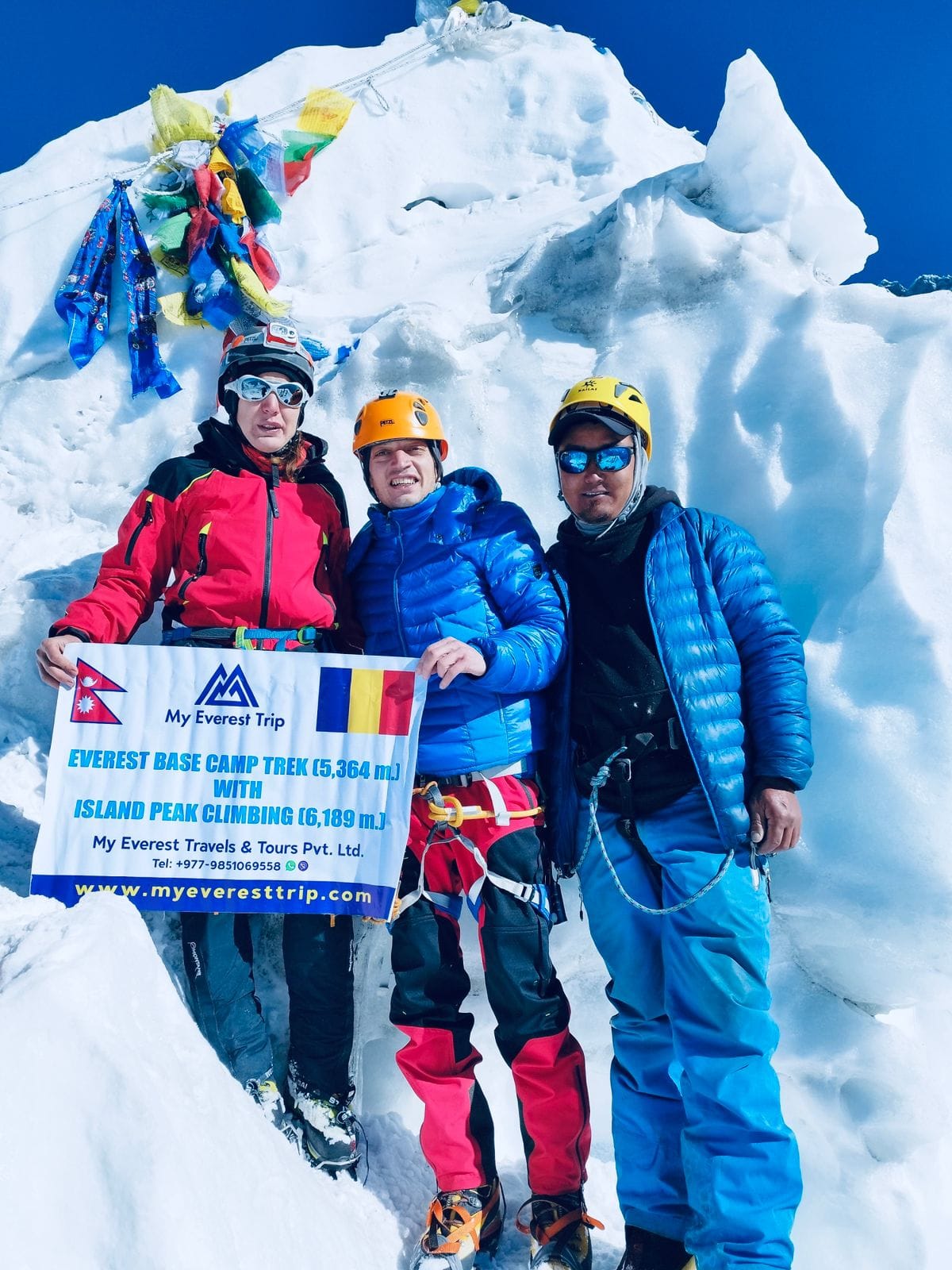
Nestled in the colossal arms of the Himalayas lies a path that beckons adventurers, wanderers, and dreamers alike to the Everest Base Camp Trek. A pilgrimage of sorts, this trek is more than just a physical endeavor; it is a deeply personal journey that winds through ancient Sherpa villages, over suspension bridges fluttering with prayer flags, and into the shadow of the world’s tallest peak, Mount Everest.
A Landscape Etched in Majesty
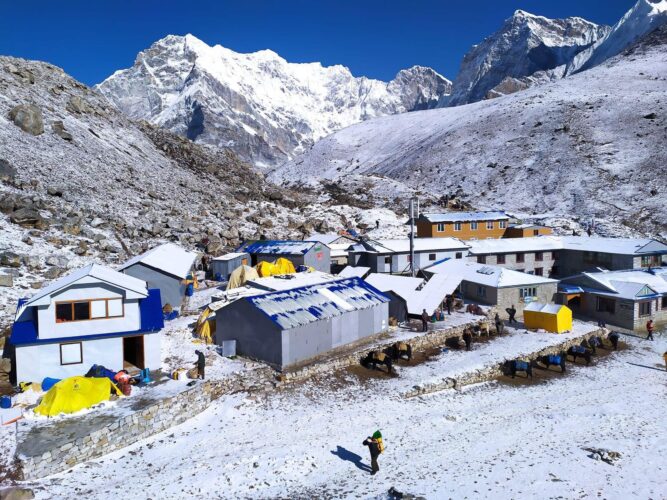
The Everest Base Camp Trek begins in Lukla, a town perched precariously on a mountainside and accessible via one of the world’s most adrenaline-inducing flights. From here, the trail snakes through the Khumbu Valley, ascending through a surreal tapestry of rhododendron forests, glacial rivers, and craggy cliffs that seem to whisper tales of past expeditions. The air thins with every step, and the landscape unfolds like a vast, unending scroll painted in hues of snow, stone, and sky.
As you ascend, Namche Bazaar emerges like a gem carved into the mountainside. This Sherpa capital thrums with a unique energy, a blend of bustling market life and the reverent hush of monasteries. Here, trekkers pause to acclimatize, mingling with yak caravans and sipping ginger tea while taking in the sweeping vistas of Thamserku and Ama Dablam. These peaks rise like sentinels against the cobalt sky.
A Cultural Tapestry Woven in Resilience
Beyond its visual grandeur, the Everest Base Camp Trek is an immersion into the indomitable spirit of the Sherpa people. Steeped in Buddhist tradition, Sherpa culture is a fusion of simplicity and spiritual depth. Mani stones carved with sacred mantras dot the trail, while chortens and prayer wheels offer silent benedictions to passersby.
Every village along the way, Tengboche, Dingboche, and Lobuche, is a microcosm of Himalayan life. In Tengboche, the ancient monastery rings with the deep murmur of chants, enveloping trekkers in an atmosphere of peace and introspection. The people, known for their warmth and hospitality, open their homes and hearts to strangers, often with tales of Everest lore passed down through generations.
The Climb Within
As the path rises, the scenery grows increasingly stark—trees give way to tundra, and eventually to rock and ice. Breathing becomes labored. The body protests. It is here, amid the thin air of Gorakshep, that the mental challenge eclipses the physical. Yet this crucible of fatigue and perseverance gives birth to something profound: resilience.
Reaching Everest Base Camp, at an elevation of 5,364 meters, is not a victory marked by a summit, but by the conquest of one’s limitations. The camp itself is a sprawl of colorful tents, clinging defiantly to the side of the Khumbu Glacier, surrounded by an amphitheater of jagged peaks and roaring silence. There is no grand monument here—only the knowledge that you stand where legends once stood, and that you, too, have earned your place.
Beyond the Trail
The return journey provides an opportunity for reflection. Descending past familiar landmarks now seen in a different light, trekkers carry not just memories but a transformed sense of self. The Everest Base Camp Trek becomes a metaphor of ascension, endurance, and return.
It is not merely about footsteps on a trail; it is about the stories etched into each stone, the friendships forged in hardship, and the quiet triumph of reaching not just a destination, but a revelation.
EBC Trek Nepal: A Journey Through the Rooftop of the World
The Everest Base Camp (EBC) Trek in Nepal is more than a high-altitude adventure—it’s a transformative journey through awe-inspiring landscapes, ancient Sherpa culture, and the mighty Himalayas. As one of the most iconic trekking routes in the world, the Everest Base Camp Trek encapsulates the very spirit of adventure and spiritual enrichment, luring trekkers from every corner of the globe.
A Tapestry of Natural Grandeur
Nestled in the Khumbu region of northeastern Nepal, the EBC Trek Nepal unfurls against the majestic backdrop of the world’s tallest mountain, Mount Everest, which towers at 8,848 meters. This expedition begins in Lukla, a bustling mountain town accessible via a short, dramatic flight from Kathmandu. From there, the trail meanders through lush rhododendron forests, suspension bridges adorned with prayer flags, and rugged glacial terrains, slowly ascending toward the iconic base camp at 5,364 meters.
Trekkers pass through picturesque villages like Namche Bazaar, Tengboche, and Dingboche—each offering breathtaking panoramas and a glimpse into the wealthy lifestyle of the local Sherpa communities. The striking vistas of Himalayan giants such as Ama Dablam, Lhotse, and Nuptse, alongside Everest itself, make this trek a visual feast and a photographer’s dream.
Cultural Encounters with the Sherpas
What makes the EBC Trek in Nepal truly unique is not just the geography, but the harmonious interplay between natural beauty and the deeply spiritual life of the Himalayan people. The Sherpas, known for their resilience and profound mountaineering legacy, warmly welcome visitors into their centuries-old traditions.
Monasteries like the revered Tengboche Monastery offer spiritual sanctuaries along the trail. Set against a panoramic Himalayan backdrop, the monastery is a vital center of Tibetan Buddhism. The rhythmic chanting of monks and the smell of juniper incense offer trekkers moments of calm and reflection, emphasizing that the EBC Trek is not merely a physical endeavor, but also a soul-stirring pilgrimage.
Physical and Mental Challenges
Despite its rewards, the EBC Trek is not for the faint of heart. The trail demands both physical endurance and mental tenacity. High altitudes, unpredictable weather, and steep ascents test even seasoned trekkers. Acclimatization days are strategically built into itineraries to prevent altitude sickness—a serious concern above 3,000 meters.
However, with the proper preparation and guided support, most determined individuals can complete this trek. Many describe the journey as an inner awakening, pushing past their perceived limits to stand in awe before the world’s highest peak. The sense of accomplishment upon reaching Everest Base Camp is unparalleled, etched permanently into the trekker’s memory.
A Conservation-Conscious Journey
Trekking to EBC is also an opportunity to observe Nepal’s commitment to sustainable tourism. The Sagarmatha National Park, a UNESCO World Heritage Site, protects the fragile alpine environment and its rich biodiversity. The trail promotes eco-conscious practices, encouraging trekkers to respect local customs and minimize waste.
Lodges along the way increasingly adopt eco-friendly practices, including solar heating, waste management, and local sourcing. This responsible approach ensures that future generations can also revel in the pristine beauty of the Khumbu region.
Why Choose the EBC Trek in Nepal?
The Everest Base Camp Trek stands as an emblem of adventure tourism—challenging yet achievable, spiritual yet exhilarating. It blends the visceral thrill of high-altitude trekking with enriching cultural exchanges and environmental awareness. Whether you’re a seasoned alpinist or a first-time trekker with a dream, the EBC Trek offers a narrative of personal growth, global fellowship, and communion with nature at its most sublime.
Nepal’s allure lies not only in its dramatic peaks but in the warmth of its people, the depth of its spirituality, and the diversity of its natural and cultural landscapes. The EBC Trek encapsulates all of this, making it a journey worth every breath, every blister, and every beating heart.
Everest Trekking: A Sublime Journey to the Roof of the World
Nestled in the formidable Himalayan range, Everest trekking is not merely a physical expedition but a profound spiritual odyssey. The journey to the base of Mount Everest, the world’s highest peak, is a dream woven into the hearts of adventurers, nature lovers, and cultural explorers alike. Unlike an ordinary trek, Everest trekking combines the grandeur of rugged landscapes with the deep-seated spirituality of Sherpa culture, crafting an unforgettable tale of resilience, humility, and awe.
The Ethereal Allure of the Everest Region
The Everest region, known locally as the Khumbu Valley, is a spectacle of snow-draped peaks, glacial rivers, and serene alpine meadows. As trekkers ascend from Lukla’s airstrip, a thrilling start in itself, they are greeted by pristine trails carved through rhododendron forests, ancient monasteries clinging to cliffs, and fluttering prayer flags dancing in the crisp mountain breeze. The journey weaves through iconic Himalayan hamlets like Namche Bazaar, Tengboche, and Dingboche, each offering breathtaking panoramas and heartwarming hospitality.
The most captivating aspect of the Everest trek is its visual theatre. With every rising step, the views evolve, from terraced foothills to the towering spectacle of Everest, Lhotse, Ama Dablam, and Thamserku. The landscape’s majesty is amplified by the rarity of thin air and the golden hues of sunrise over snowy summits, evoking a feeling of sublime insignificance.
A Cultural Tapestry Interwoven with Faith
While the mountains provide a sublime backdrop, it is the Sherpa people who infuse Everest trekking with soul. Renowned for their legendary mountaineering prowess, Sherpas are also the guardians of a rich Buddhist heritage. Their vibrant culture is expressed in intricate mani walls, chortens, and gompas (monasteries), where yak butter lamps flicker beside ancient thangkas and monks chant mantras into the stillness of dawn.
A night spent at Tengboche Monastery, perched at 3,867 meters, is often a highlight. Here, the mesmerizing evening prayer rituals resonate deeply with trekkers, offering a moment of serenity and introspection amidst the demanding ascent.
Physical Challenge and Mental Fortitude
Everest trekking is not for the faint of heart. While it does not require technical climbing skills, the trek is a rigorous test of endurance and mental resilience. Days stretch over 5-8 hours of hiking through uneven terrain and high altitudes where oxygen thins and the body rebels. Acute Mountain Sickness (AMS) poses a significant threat, making acclimatization stops essential.
However, this struggle against physical limits fosters personal transformation. Trekkers often speak of a deepened sense of purpose, discipline, and connection with nature. Reaching Everest Base Camp at 5,364 meters is not simply an arrival — it is a triumphant reaffirmation of human perseverance against the formidable silence of nature.
Sustainability and Responsible Trekking
In recent years, the surge in popularity of Everest trekking has led to both economic growth and ecological strain in the region. Waste management, water pollution, and trail erosion have become pressing concerns. Consequently, responsible trekking practices are vital.
Eco-conscious trekkers now embrace the “leave no trace” principle, carry reusable water bottles, and support lodges that use solar energy and bio-toilets. Organizations and local stakeholders are increasingly promoting sustainability, ensuring that Everest’s fragile ecosystem and cultural sanctity remain preserved for future generations.
The Enduring Spell of Everest Trekking
Ultimately, Everest trekking is more than a bucket-list tick—it is a pilgrimage into the heart of the Himalayas, where time slows, egos dissolve, and nature reigns supreme. It challenges not just the legs but the spirit, demanding patience, reverence, and adaptability.
For many, the journey does not end at the Base Camp. The memories, friendships, and lessons etched in the mountains accompany them long after they descend. The whispering winds of the Himalayas linger in their thoughts, calling them back to where the Earth meets the sky.
In a world increasingly defined by convenience and speed, Everest trekking stands as a poetic defiance, a slow, arduous, and profoundly beautiful reminder of what it means to be fully alive.