

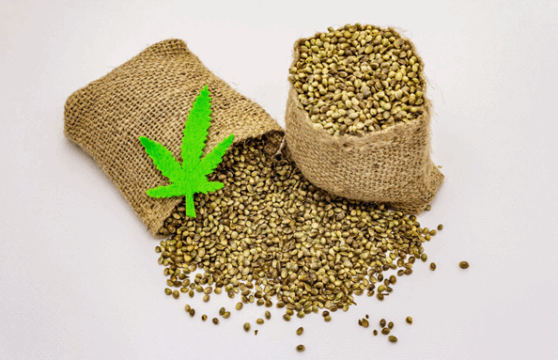
Ever wondered how a tiny seed turns into a thriving cannabis plant? Cannabis seeds are the starting point of every great harvest.
Understanding how they work helps growers make smart choices. From selecting the right type to planting them properly, each step matters.
Seeds may look similar, but they vary in quality, genetics, and potential. Many beginners skip learning the basics and end up with weak plants or no sprouts at all.
This guide covers everything you need to know to help your cannabis garden grow strong from the very start. Read on!
The Basics of Cannabis Seeds
Cannabis seeds are small, hard-shelled pods that contain all the genetic material needed to grow a cannabis plant. They can come in different colors, sizes, and patterns, but most are brown with lighter stripes or spots.
The shape is often oval, and the surface may be smooth or slightly ridged. Healthy seeds feel firm when gently squeezed. If a seed cracks or feels soft, it is likely not viable.
Cannabis seeds are typically sold in different strains, which determines their effects and growth traits. When buying seeds, always check the breeder’s reputation for quality and reliability. Good seeds produce strong, healthy plants when cared for properly.
Types of Cannabis Seeds
There are three main kinds of cannabis seeds: feminized, regular, and autoflowering. Regular seeds can grow into either female or male plants and are often used for breeding. Feminized seeds are specially bred to produce only female plants, which are the ones that grow buds.
Autoflowering seeds flower based on age, not light cycles, making them easier to grow. Each type has its pros and cons, depending on the grower’s goals.
Feminized seeds are popular with beginners because they reduce the risk of male plants. Regular seeds are ideal for those who want to experiment with genetics. Autoflowering seeds are great for fast harvests and small spaces.
How to Choose Quality Seeds
Choosing high-quality seeds is one of the most important steps in cannabis growing. Look for seeds that are dark brown with a waxy coating. Avoid seeds that are pale, green, or cracked.
Reputable seed banks test their seeds for high germination rates. Always check reviews and ratings before buying. Seeds should come in a sealed container to protect them from moisture and light.
Some companies offer seed guarantees or free replacements. The strain should match your needs, whether it’s for pain relief, creativity, or relaxation.
Germination: Starting the Growth Process
Germination is the process by which a seed begins to sprout and grow roots. The most common method is using moist paper towels placed between two plates. Keep the towels damp but not soaking, and place the setup in a warm, dark area.
Check daily to ensure the towels stay moist. Within 2-7 days, a small white root should appear. Once the root is about half an inch long, the seed is ready for planting.
Be gentle when moving germinated seeds to soil or another growing medium. Proper germination leads to strong seedlings and better overall plant health.
Best Soil and Containers for Seeding
Young cannabis plants need the right soil to grow well. Use a light, airy soil that drains well but holds some moisture. Avoid heavy or compacted soils that can suffocate roots.
Many growers use seedling starter mixes that are low in nutrients to prevent burning the roots. Containers should have drainage holes to prevent overwatering. Start seeds in small containers like peat pellets, solo cups, or seedling trays.
Once the plants grow bigger, they can be moved into larger pots. Transplanting should be done gently to avoid damaging the roots.
Lighting Needs for Young Plants
Lighting is key to healthy cannabis growth, especially in the seedling stage. Young plants need about 16-18 hours of light per day. Use fluorescent, LED, or CFL grow lights for best results.
Keep the lights about 2-4 inches above the seedlings to avoid stretching. Seedlings that grow tall and thin may not be getting enough light. Make sure your lighting setup doesn’t create too much heat.
A simple timer can help keep the light schedule consistent. Gradually increase light intensity as the plants grow. Balanced lighting supports strong stems and healthy leaf development.
Watering Tips for Seedlings
Watering is a common challenge for new growers. Seedlings need moist soil, but not too wet. Overwatering can cause root rot, while underwatering leads to weak growth.
Use a spray bottle to gently mist the soil around the seedlings. Water only when the top inch of soil feels dry. Make sure excess water can drain out of the container.
Cold water can shock the roots, so use room temperature water. Avoid adding nutrients until the plants have at least two sets of leaves.
Proper watering helps the roots grow deeper and stronger. Patience and observation are key to success.
Common Mistakes to Avoid When Seeding
Many new growers make simple mistakes that can harm their plants. One common error is planting seeds too deep; they should only be buried about half an inch. Another mistake is using soil that is too rich in nutrients, which can burn seedlings.
Using poor-quality water or overwatering are also frequent problems. Some people try to force germination too quickly, which can damage the seed. Touching seedlings too much can stress or break them.
Not labeling seeds can lead to confusion later. Skipping research about strain requirements can lead to poor results. Learning from mistakes helps improve future harvests.
Nurturing Seeds into Healthy Plants
Once seedlings are established, they enter a stage of rapid growth. This is the time to give them more space, light, and gentle care. Transplanting should be done when the roots outgrow the current container.
Provide proper air circulation to prevent mold or disease. Support weak stems with sticks or soft ties if needed. Begin feeding with mild nutrients suitable for young plants.
Monitor temperature and humidity levels daily. With the right attention, these sacred seeds transform into strong, flowering plants that produce quality buds.
Understanding Seed Germination and Best Practices for Healthy Plant Growth
Understanding cannabis seeds and seeding is the key to a successful grow journey. From choosing the right type of seed to proper germination and care, each step shapes the final result.
Seeds may seem simple, but they hold the power to grow something amazing. Beginners should focus on the basics and avoid rushing the process.
With patience and good practices, anyone can enjoy healthy plants and better yields. This guide has covered the essentials to get started the right way.
Did you like this guide? Great! Please browse our website for more!