

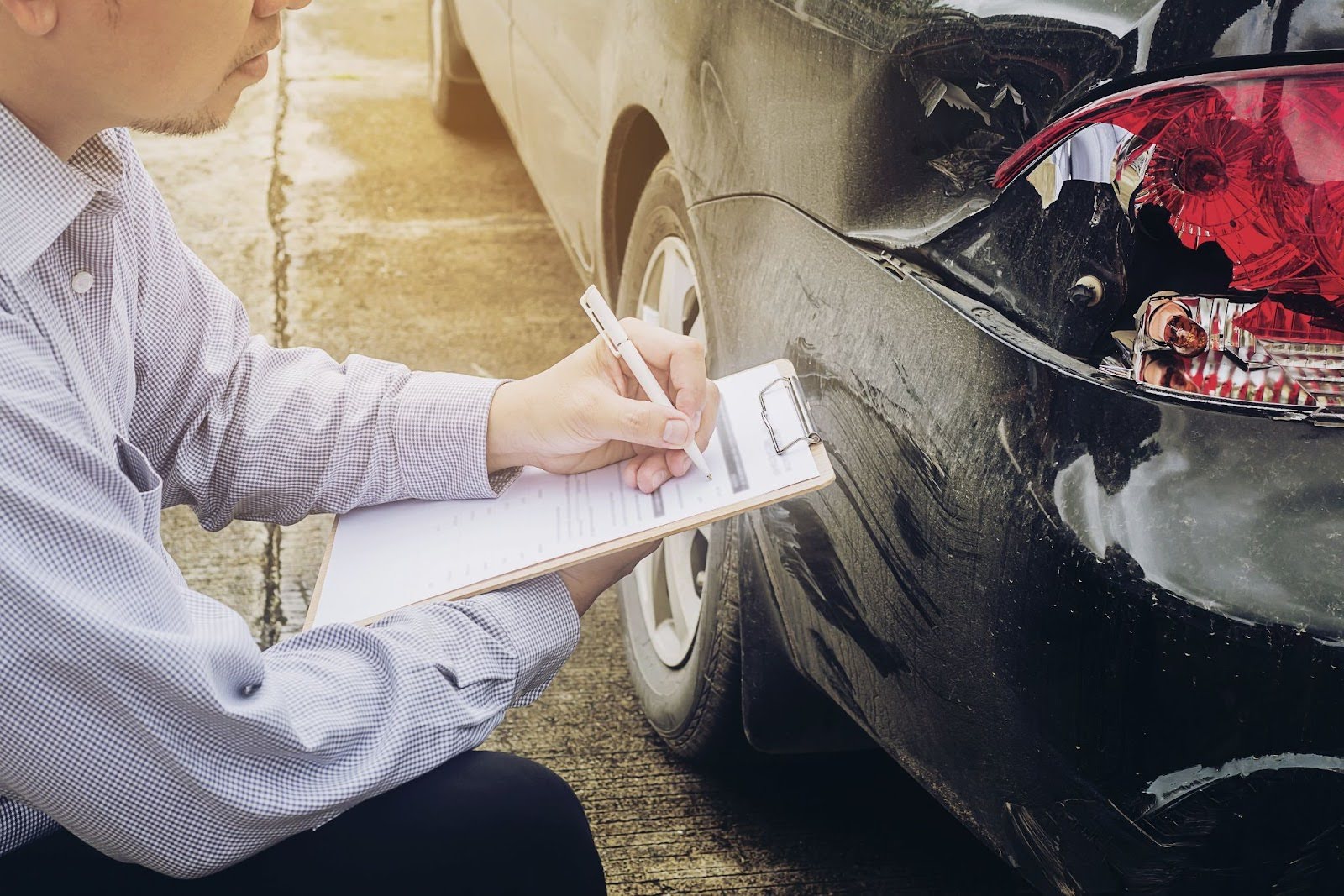
Post-Accident Car Repairs: Understanding What Comes Next
Post-accident car repairs are one of the most stressful yet crucial parts of getting your life back on track after a collision. The moment an accident happens, emotions can run high, and your vehicle may suffer damage that isn’t immediately visible. Understanding how to handle repairs the right way helps prevent unnecessary expenses and ensures your car is restored to full safety and performance standards.
When it comes to collision damage, the best approach is to act quickly. Delaying repairs can worsen structural issues and even lower your car’s resale value. Taking the time to find the right repair shop, knowing your insurance rights, and following expert advice can make a world of difference.
The Importance of Professional Repair Services After a Collision
One of the biggest mistakes drivers make after an accident is assuming that any auto body shop can handle their car’s repairs. Professional post accident car repairs require specialized tools, factory-approved parts, and experienced technicians who understand modern vehicle systems.
In today’s world, most cars include advanced safety features, sensors, and electronics. These systems demand precise calibration, which only a certified repair center can guarantee.
How to Start the Post-Accident Repair Process the Right Way
The first step after a collision should always be documenting the scene and filing an insurance claim. Take photos of the damage, note important details, and exchange information with other parties involved. Once that’s done, contact your insurer to start the claims process and get approval for repair estimates.
After insurance approval, the next step is taking your vehicle to a certified repair facility. A professional assessment will determine whether your car can be safely repaired or if it’s a total loss. The technicians will inspect both visible and hidden damages, including structural misalignments and internal system failures.
This careful inspection ensures that your post-accident car repairs address not only cosmetic damage but also deeper mechanical and safety concerns.
Why Choosing the Right Repair Shop Matters
Not all auto body shops provide the same level of care or expertise. Some prioritize low costs over quality, using cheap replacement parts that compromise your car’s safety. It’s vital to select a repair shop that values accuracy, transparency, and long-term reliability.
Certified repair shops often work closely with insurance companies and follow factory repair guidelines. This means they use original equipment manufacturer (OEM) parts and maintain the integrity of your vehicle’s design. Trustworthy repair centers also offer warranties on their work, giving you peace of mind that your investment is protected.
Understanding the Cost of Post-Accident Repairs
The cost of post-accident car repairs can vary widely based on several factors. The severity of the accident, type of vehicle, and availability of replacement parts all play a role. Luxury or high-tech vehicles tend to be more expensive to repair due to specialized materials and sensors.
Insurance coverage helps manage costs, but it’s important to understand your policy details. Deductibles, coverage limits, and claim approvals can affect how much you’ll pay out of pocket. Communicate openly with your insurer and repair shop to ensure you receive accurate estimates and avoid unexpected charges.
How Technology Is Changing the Collision Repair Industry
Modern technology has revolutionized post-accident car repairs. Today, technicians use advanced diagnostic tools, laser measurement systems, and computerized paint-matching technology to ensure precision and quality. These tools help detect hidden damage, restore structural alignment, and achieve flawless finishes that match the vehicle’s original look.
Electric vehicles and cars with driver-assistance systems require even more expertise. Calibrating sensors, cameras, and radar systems is critical for ensuring the vehicle’s safety systems function properly after repairs. Certified shops are trained in handling these modern requirements, preventing errors that could affect your car’s performance.
Steps to Protect Your Car After Repairs Are Completed
Once your car has been repaired, there are several steps to ensure its continued safety and reliability. Conduct a final inspection before accepting the vehicle from the shop. Check for any irregularities in paint, panel alignment, or interior fittings. If something doesn’t look or feel right, ask for clarification before signing off.
Driving carefully during the first few days after repairs can also help identify any potential issues. Listen for unusual noises, vibrations, or warning lights on the dashboard.
Keeping a record of all post-accident car repairs, invoices, and warranty information can be valuable for future resale or insurance claims.
How to Avoid Common Post-Repair Mistakes
A frequent error car owners make is ignoring maintenance after a major repair. Even after high-quality repairs, vehicles need regular servicing to ensure long-term safety. Skipping follow-up checks or neglecting small warning signs can lead to bigger problems later.
Another mistake is choosing a repair shop based solely on price. While low-cost services may seem appealing, they often use inferior parts and shortcuts that compromise safety. Always prioritize certified technicians and documented repair processes over the cheapest option available.
The Role of Insurance Companies in Car Repairs
Insurance companies play a significant role in post-accident car repairs. They help evaluate damage, recommend repair centers, and approve estimates. However, it’s important to remember that you have the right to choose your own repair shop, regardless of insurer recommendations.
Good communication with your insurer can speed up the process and prevent misunderstandings. Always keep detailed records of phone calls, claim numbers, and written approvals. Staying proactive ensures your vehicle is repaired efficiently and without delays.
Frequently Asked Questions
1. How long do post-accident car repairs usually take?
Repair time depends on the extent of damage and availability of parts. Minor repairs might take a few days, while more serious damage can take several weeks.
2. Should I always go through my insurance for car repairs?
Not always. For minor damages, paying out of pocket can sometimes be faster and cheaper, but large repairs are best handled through insurance claims.
3. How can I tell if my car is repaired properly?
A quality repair should restore your car’s appearance, performance, and safety systems. Always test-drive your car and inspect the finish before final approval.
4. Can I choose my own repair shop after an accident?
Yes. Insurance companies may suggest preferred shops, but you have the legal right to choose any certified repair center you trust.
5. What should I do if I’m unhappy with my repair work?
Contact the repair shop immediately and explain the issue. Reputable repair centers will correct any problems under warranty or service guarantees.
Conclusion
Dealing with post-accident car repairs can be stressful, but with the right knowledge and professional help, you can make the process smooth and cost-effective. From selecting a certified repair shop to understanding your insurance coverage, every step you take impacts your vehicle’s safety and longevity.
Trust experienced repair experts who follow manufacturer standards, use high-quality parts, and prioritize customer satisfaction. Taking the time to do things correctly the first time not only saves money but also guarantees that your car remains as safe and reliable as it was before the accident.