

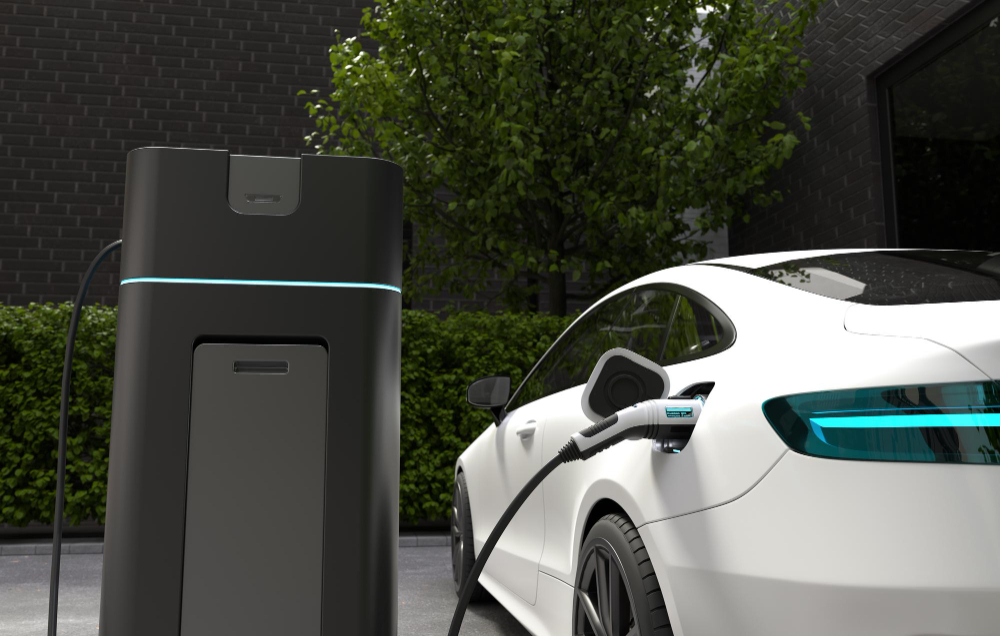
People opt for electric vehicles. the rise in demand is matched by that for high-tech, user-directed, and designer-oriented electric vehicle charger. Innovations towards EV charger forms and interaction experiences dictate how a driver interacts with the charging infrastructure. Manufacturers are keeping pushing out sleek and compact designs to AI-powered smart charging. Innovations are changing the way drivers understand and experience charging infrastructures.
This article will look at innovations in EV charger design and user experiences that really tell us how the future of sustainable transport will be shaped.
1. Compact and Aesthetic Charger Designs
The newer EV chargers are sleek, compact, and most importantly, they allow themselves to be included in every setting in town or the suburbs, without a huge fuss.
Key Trends in Charger Design:
- Minimalist Form Factor: The modern charger comes with clean lines, a small footprint-in-your-garage, and out in public.
- Customizable Finishes: Some chargers allow for purpose-built or themed installations for example exterior color to shade the content with the property or brand for commercial installations.
- Weather-Proof: These days, even rugged outdoor installations are weatherproof equipped with materials that can withstand extreme temperature, rain, and snow.
- Integrated Lighting: Cleverly incorporated with LED lights as well as illuminated status indicators add to user-friendliness at night and give a futuristic feel.
By combining aesthetics and functionality, ApexCharge´s EV charging stations ensure that users get an efficient charging experience without compromising visual appearance.
2. Charge Without Wire and Contact
This innovation introduces wireless charging of an EV, totally voiding the use of cables and connectors to hook them up.
How Wireless Charging Works:
- There is a charging pad on the ground.
- Then, park the EV over the pad to transfer energy through inductive charging technology.
- Charge the battery of the vehicle, without a physical plug connect.
The positives of wireless EV charging are as follows:
✔ Convenience: Drivers need not to touch the cables and just park and charge.
✔ Safety: Less stress on charging connectors and elimination of any tripping hazards.
✔ Weatherproofing: It charges well in all weather without exposing the unit to either rain or snow.
The adoption of wireless charging is still in its infancy, and groups like ApexCharger are following its evolution for eventual deployment into public and residential charging applications.
3. Ultra-Fast Charging Technologies
One of the most important thrusts of innovation is speed of charging. While traditional Level 2 charging units slow-charge an EV in hours, recent developments in ultra-fast DC charging can help much lessen waiting time.
Glimpses of the Breakthroughs in Charging Speed:
- 800V Charging Systems: Many next-gen EVs now support 800-volt architectures, allowing them to charge 80% in under 20 minutes.
- Liquid-Cooled Charging Cables: These avoid excess heat and allow quicker energy transmission.
- Bidirectional Charging: Some modern chargers offer vehicle-to-grid (V2G) functions, which allow the EVs to return energy to the grid.
These innovations allow the owners of EVs to charge them quickly and efficiently for minimum downtime and maximum convenience.
4. AI Smart Charging with IoT Integration
AI and IoT are at the helm of organizing modern-day EV charging stations.
AI-Driven Features:
- Dynamic Load Management: Smart chargers automatically align power delivery to instant operating demand in the grid.
- Predictive Maintenance: The AI diagnostics can prevent prospective errors before there is an actual malfunction.
- Personalized Charging Schedule: It analyzes charging behavior and recommends optimum charging period to reduce costs and impact on the grid.
5. IoT & Remote Control Capability
EV owners can also monitor and control the charging via their mobile app.
Through cloud-based platforms, the users can get real-time data regarding their energy consumption and charge status.
Commercial fleet operators are allowed to keep track of various charging stations and optimize energy use.
6. Seamless Payment and Authentication Methods
The user experience really begins and ends well beyond plugging in a vehicle. Today’s charging stations incorporate seamless payment solutions that make everything simpler and faster.
Modern Payment Options Include:
✔ Tap-to-Pay : Enables payment with a simple tap using credit/debit cards or smartphones.
✔ Mobile App Integration: This allows payment with apps like Google Pay, Apple Pay, or dedicated EV charging apps.
✔ Subcription-Based Models: Many charging networks offer numbers of subscription plans to provide discounted rates for use and faster access.
✔ Blockchain-Based Transactions: Several companies are experimenting with blockchain technology to develop transparent and tamper-proof billing systems.
The greatest improvement to the whole EV charging experience has come with these inventions by eliminating the hassle of complicated arrangements in the payment methods.
7. Solar-Powered and Renewable Energy Incorporation
Sustainability is the basis of innovation in EV charging. These days, most EV charging stations are integrated into solar panels and other renewable energy forms that can be utilized to re-charge their carbon footprints.
The Future of Solar EV Recharging:
- Standalone Solar Chargers: Ideal for areas that are not connected to a grid-because it uses solar power to charge the batteries.
- Solar Canopy Stations: These are large stations that have solar roofs, shading, and power generation.
- Battery Storage Solutions: A few of these systems allow the storage of surplus energy to charger after dark or on cloudy days.
ApexCharger propagates a cleaner world while ensuring and economically charging using renewable energy.
8. New Safety Features and Cybersecurity
As the world becomes more digitally connected, it becomes important for EV chargers to ensure safety and cybersecurity.
Key Advances in Safety:
✔ Overheat Protection: Advanced sensors are preventing overheating and ‘warming up’ to the point of fire risk.
✔ Ground Fault Detection: Automatically shuts charging off after some electrical failure happens.
✔ Weatherproof Casings: Protects from conditions like rain, snow, and high temperature.
Cybersecurity Improvements:
End-To-End Encryption: Secure user data from hacking threats.
Multi-Factor Authentication (MFA): Access charging stations is only allowed to authenticated users.
Regular Updates Firmware Security: Make user’s software safe regarding newly discovered vulnerabilities.
The increase in EV adoption makes the securing of the charging networks helpful in providing protection against cyber threats to users and infrastructure.
The Future of Design and Use of EV Chargers.
EV charging will adopt advances in technology that will be incorporated toward making Bluetooth, AI, and design brighter in a great time. It’s never been more user-friendly, sleeker, or faster than charging technology for electric vehicles-from an elegant design to completely wireless charging, AI-driven optimization, and even renewable energy attachment.
Thanks to innovators like ApexCharger, drivers will increasingly see smooth, secure, and highly efficient electric vehicle charging solutions. Whether at home, work, or on the road, these advancements deliver a more viable electric mobility experience.