

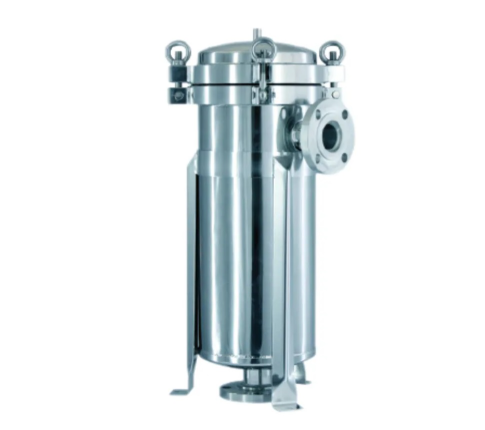
Cartridge filter housings are critical components in industrial filtration systems, widely used in pharmaceuticals, food and beverage, water treatment, and chemical processing. Their pricing depends on several factors, including materials, design, pressure ratings, connections, and customization options. Choosing wisely can affect both performance and total cost. Working with a reliable cartridge filter housing manufacturer ensures housings meet safety standards while delivering long-term value.
Manufacturing these housings requires engineering precision, material expertise, and compliance with strict industry standards. Factors like material selection, pressure requirements, and customization directly impact production complexity. The right combination of features balances durability, functionality, and cost. Buyers must understand these variables to make informed purchasing decisions.
Material Selection
Grade of Stainless Steel
The grade of stainless steel significantly affects the cost of cartridge filter housings. Common grades include SS304 and SS316, with SS316 offering superior corrosion resistance and higher durability. Higher-grade metals generally increase the raw material expense and may require specialized welding. Using a trusted cartridge filter housing manufacturer ensures the selected grade meets the application needs efficiently.
Thicker plates improve strength but raise production costs. Choosing the correct grade balances longevity and affordability, especially for industries requiring sanitary conditions. Stainless steel’s corrosion resistance makes it ideal for chemical or food processing applications. Proper selection reduces maintenance costs over the housing’s lifecycle.
High-Alloy/Exotics
High-alloy or exotic metals, such as Hastelloy, Inconel, or Duplex stainless steel, are necessary for extreme applications. These materials resist high temperatures, aggressive chemicals, and corrosive environments that standard stainless steel cannot withstand. The limited availability of these metals adds to their cost. Fabrication also requires skilled labor and specialized equipment.
Despite higher upfront expenses, exotic materials reduce long-term maintenance and prevent early replacement. Industries handling harsh chemicals or extreme processes benefit from their durability. Manufacturers often offer high-alloy options for customized performance. The investment is justified when reliability is critical.
Surface Finish
The internal surface finish directly impacts hygiene and filtration efficiency. Smooth finishes, typically 20 to 32 microinches, prevent bacterial growth and contamination in food and pharmaceutical applications. Achieving such finishes involves polishing, electropolishing, or passivation, which increases labor and processing costs. Customers must weigh the need for premium finishes against budget constraints.
Surface finish quality also affects fluid flow and particle retention. High-quality finishes minimize clogging and improve operational efficiency. Some manufacturers provide finish options tailored to industry standards. Choosing the right finish ensures compliance with sanitary regulations and long-term performance.
Design and Pressure Ratings
Pressure Requirements
Operating pressure dictates the thickness, strength, and design of cartridge filter housings. Low-pressure housings are simpler and less expensive. High-pressure housings require thicker walls, precision welding, and rigorous testing to ensure safety and durability. These requirements directly influence production cost and complexity.
High-pressure applications increase material usage and testing needs. Industries such as chemical processing often demand robust designs to prevent leaks or failures. Accurate design ensures consistent performance under extreme conditions. Manufacturers must carefully engineer housings to meet these specifications safely.
ASME Certification
ASME certification is required for housings in high-pressure or critical environments. Certified housings comply with strict design, material, and testing standards. Obtaining certification increases production costs due to documentation, inspections, and compliance requirements. Choosing a certified cartridge filter housing manufacturer guarantees adherence to these standards and industrial safety.
Certified housings provide assurance for industries like pharmaceuticals, oil and gas, and chemicals. Uncertified housings may be cheaper but carry higher risk in critical processes. Compliance ensures reliable long-term operation. Certification is a key factor influencing price and buyer confidence.
Flow Rate and Capacity
Cartridge filter housings must accommodate specific flow rates and capacities. Larger housings with higher flow rates use more materials and multiple filter cartridges. Proper design prevents pressure drops and ensures efficient operation. Working with a skilled high flow cartridge filter housing manufacturer ensures housings meet required throughput without sacrificing performance.
Optimizing flow rate ensures smooth process operation. Undersized housings may fail or require frequent maintenance. Manufacturers design housings to balance capacity, pressure, and flow. Correct sizing reduces operational issues and improves cost efficiency over time.
Connection Types and Closures
Connection types affect both performance and price. Standard threaded or flanged connections are economical and easy to install. Specialized fittings like tri-clamp, sanitary, or quick-release increase costs due to higher machining requirements. Selection depends on process needs and maintenance frequency.
Closures also influence pricing and safety. Basic bolted closures are inexpensive, while swing-bolt, cam-lock, or hinged closures offer faster access and improved sealing. More advanced closures require additional materials and precise engineering. Proper connection and closure selection enhances safety and convenience without compromising reliability.
Customization and Features
Inlet/Outlet Orientation
Customizing inlet and outlet orientation allows seamless integration into piping systems. Non-standard orientations require additional welding, precise alignment, and internal flow management, which increases cost. Consulting a skilled cartridge filter housing manufacturer ensures optimal orientation for efficient operation.
Customized orientation improves installation efficiency and reduces workflow issues. Though more expensive, it minimizes downtime and operational disruptions. Many industries benefit from tailored orientations in complex piping setups. Proper planning of inlet and outlet layout enhances overall system performance.
Add-ons
Add-ons such as pressure gauges, vent valves, or drain valves enhance functionality. Integrating these features requires additional material, labor, and quality testing, increasing the price. Industries with monitoring or frequent maintenance needs often find these add-ons essential for safe operations.
Multiple add-ons increase complexity but improve process control. Manufacturers must ensure compatibility with the housing and operating conditions. Add-ons also support regulatory compliance in certain industries. Investing in additional features provides long-term operational benefits.
Heating Jackets
Heating jackets maintain consistent fluid temperature for viscous or temperature-sensitive materials. Integrating a heating jacket adds material and fabrication costs, along with testing for safety and performance. It ensures proper fluid flow and prevents solidification during filtration processes.
Industries like food processing or petrochemicals often require heating jackets. Proper design addresses thermal expansion and pressure management. Despite higher cost, heating jackets improve efficiency and prevent process disruptions. They are essential in specialized filtration applications.
Recalyx Value for Money
Recalyx Industries (M) Sdn. Bhd. offers high-quality cartridge filter housings with a strong focus on value for money. Their products combine durability, compliance, and customizability at competitive pricing. Buyers receive a reliable solution without compromising on materials or design, ensuring long-term operational benefits.
Recalyx provides a range of housings for different flow rates and pressures, accommodating specialized applications across industries. With attention to engineering, material selection, and certification, it ensures cost-effective solutions. Customers benefit from expert guidance and consistent quality, making their investment highly worthwhile.
Summary
The price of cartridge filter housings depends on material selection, design, pressure ratings, connection types, and customization. High-grade materials, exotic alloys, and polished finishes increase durability but also raise costs. Working with a reliable cartridge filter housing manufacturer ensures the right materials, features, and compliance for industrial requirements.
Customization, including inlet/outlet orientation, add-ons, and heating jackets, further impacts cost but provides operational efficiency. Evaluating these factors helps buyers choose housings that meet performance needs while optimizing cost. Understanding pricing influences ensures informed decisions and long-term value in industrial filtration systems.