

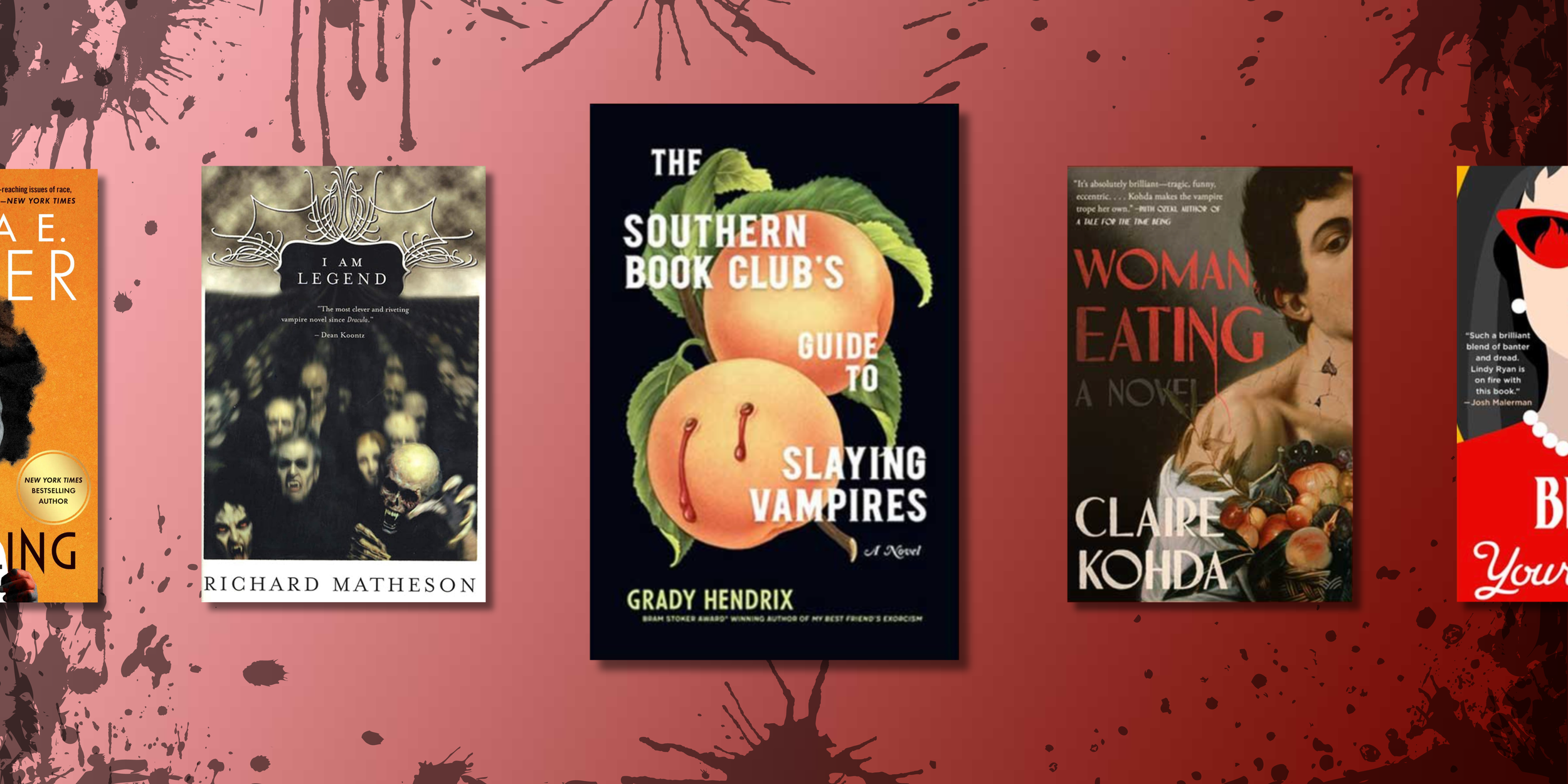
The Everlasting Appeal of Fantasy Authors
Fantasy authors hold a unique place in the literary world, weaving tales that blur the line between reality and imagination. These writers create vast worlds filled with mythical creatures, ancient prophecies, and timeless conflicts between good and evil. Their work is not only entertaining but also deeply thought-provoking, often exploring themes of heroism, identity, and the human condition through fantastical lenses. From the medieval kingdoms of high fantasy to the urban sprawl of magical realism, fantasy author breathe life into places that never existed but feel more vivid than our own. Their stories grant us an escape while also giving us tools to understand our world from new perspectives. Through detailed world-building and compelling character arcs, fantasy authors invite readers into immersive experiences that linger long after the final page is turned.
The Rise of Paranormal Mystery Books
While fantasy often focuses on distant realms and epic quests, paranormal mystery books introduce readers to the uncanny hiding in plain sight. These novels are set in the real world or something very close to it, but they crack the veil of normalcy to reveal ghosts, psychics, curses, and unexplained phenomena. What sets paranormal mysteries apart is the delicate balance they strike between suspense and the supernatural. A strong detective plot lies at their core, driven by protagonists who are often flawed, skeptical, or drawn unwillingly into eerie circumstances. The mystery provides structure and tension, while the paranormal elements add intrigue and a haunting atmosphere. This genre appeals to readers who enjoy classic whodunits but crave something more thrilling, more enigmatic, and more darkly romantic. Paranormal mystery books give us the chills of horror without the gore, the intellectual satisfaction of a puzzle solved, and the emotional weight of characters confronting things they cannot explain. These stories thrive in twilight settings—foggy towns, ancient houses, forgotten cemeteries—where danger feels imminent, but truth always lies just beneath the surface.
Dracula Books and the Legacy of the Vampire
Among the most iconic figures in the supernatural literary world is Count Dracula. Dracula books have defined the vampire archetype for generations and remain a cornerstone of both horror and Gothic fiction. Bram Stoker’s original Dracula is more than a tale of bloodsucking; it’s a complex narrative that explores fear of the unknown, sexuality, xenophobia, and immortality. The novel’s epistolary format, told through journal entries, letters, and newspaper clippings, adds to its immersive quality and leaves room for modern interpretations and adaptations. Dracula has become a symbol of elegance mixed with dread, of timeless seduction paired with monstrous violence. Over the decades, countless Dracula books have expanded this mythos. From faithful retellings to creative reimaginings, authors continue to explore the character and his lore through different cultural and historical lenses. Modern Dracula books often weave in fresh perspectives—feminist reinterpretations, LGBTQ+ narratives, or settings beyond Victorian England. Still, the core fascination remains: the vampire as a mirror of human desire and fear. Dracula’s lasting appeal is evidence that readers are still captivated by the eternal struggle between predator and prey, love and power, life and death.
Historical Fiction and Its Magical Intersections
Historical fiction is a genre that transports readers to another time, grounding them in meticulously researched settings while exploring universal themes. What makes historical fiction compelling is its power to make the past feel personal and relevant. Whether it’s ancient Rome, the courts of Tudor England, or the trenches of World War I, historical fiction authors recreate lost worlds in vivid detail. However, in recent years, a fascinating fusion has emerged—where history meets the fantastical. These hybrid stories integrate magic, myths, and supernatural beings into real historical events, creating a bridge between fantasy and factual past. A tale set in medieval France might include a witch-hunting subplot with actual sorcery, while a Civil War-era narrative could center around a soldier who communes with spirits. This fusion gives historical fiction a sense of wonder without compromising its emotional or intellectual depth. The combination of researched realism and imaginative freedom invites readers to consider how myth and legend have always played roles in shaping human understanding. Many fantasy authors are now exploring these intersections, crafting stories where magic enhances rather than distracts from historical truth.
Why These Genres Thrive Together
Fantasy, paranormal mystery books, Dracula novels, and historical fiction may seem like distinct genres, but they thrive on shared foundations. Each genre involves a deep dive into a world different from our own—whether it’s a magical realm, a haunted town, a vampire’s castle, or a bygone era. All demand immersive storytelling, rich atmosphere, and well-developed characters. What truly connects them is the reader’s desire to be transported and transformed. These books offer more than escapism; they challenge perceptions, evoke emotions, and often illuminate hidden truths. Paranormal mysteries mix the logic of detection with the chaos of the unknown. Dracula books interrogate the thin veil between life and death, morality and monstrosity. Historical fiction captures the emotional core of human experience while teaching us about the past. Fantasy ties all these threads together, allowing the impossible to exist in believable form. Authors working within or across these genres often blur the lines intentionally, creating layered narratives that defy easy classification. For readers, this convergence offers the best of all worlds: the thrill of mystery, the allure of myth, the gravitas of history, and the magic of storytelling.
Notable Authors Who Blend These Elements
Some of the most successful authors in recent decades have found their niche by combining fantasy, mystery, horror, and historical fiction. Writers like Deborah Harkness, whose All Souls Trilogy mixes vampires, witches, time travel, and academia, exemplify how these genres intersect. Her work is scholarly and romantic, eerie and thrilling—a paranormal mystery wrapped in historical insight. Another prime example is Elizabeth Kostova, whose novel The Historian reinvents the Dracula myth through a blend of Gothic horror and historical adventure, moving across European countries with rich cultural backdrops. Then there’s Susanna Clarke, whose Jonathan Strange & Mr. Norrell offers an alternate version of 19th-century England infused with scholarly magic and social commentary. These authors and many others prove that readers crave genre-bending narratives, and that literary innovation often arises at the crossroads of established traditions.
What Readers Can Expect from These Books
Books in these genres often feature atmospheric settings, whether it’s a shadowy castle in Transylvania, a fog-filled London street, or a forgotten village haunted by secrets. Characters are complex and often tormented—scholars drawn into danger, detectives with dark pasts, lovers separated by curses or time. Themes of identity, destiny, justice, and mortality are explored through unique lenses. Readers can expect rich prose, layered plots, and a strong sense of mood. While each genre has its tropes—enchanted objects, ancient evils, mysterious disappearances—they are used in fresh ways when genres overlap. A fantasy author might use a real historical event as a turning point in a magical war. A paranormal mystery might unfold in a Victorian setting with Dracula lore woven into the clues. This variety keeps readers engaged and coming back for more, always wondering what lies around the next literary corner.
The Future of Supernatural and Historical Fiction Fusion
The future looks bright for these overlapping genres, especially as new voices and diverse perspectives enter the field. Authors from different cultures are reimagining folklore and history through their own lenses, enriching the genres with untold stories and unfamiliar mythologies. Digital platforms and self-publishing have made it easier for experimental narratives to reach readers, allowing niche interests to flourish. Readers today are more open than ever to hybrid storytelling—where magic and realism, ghosts and crimes, vampires and kings coexist. Publishers are responding to this demand by supporting bold, imaginative work that doesn’t fit neatly into one category. With streaming adaptations and audiobook popularity growing, these genres are also expanding into other media, drawing in new audiences. Whether it’s a historical fantasy series set in feudal Japan or a Dracula-inspired thriller in modern-day New York, the appetite for the supernatural within grounded stories continues to grow.
Conclusion
Fantasy authors continue to shape the literary landscape by drawing from a diverse pool of genres. Paranormal mystery books provide suspense with a spectral twist. Dracula books carry the enduring legacy of vampires and Gothic horror. Historical fiction grounds readers in the past while leaving room for myth and imagination. Together, these genres offer a multidimensional reading experience that’s rich in atmosphere, emotion, and intellect. As the boundaries between genres continue to blur, authors and readers alike are discovering new ways to explore timeless themes through the supernatural and the historical. In this fusion, literature remains what it has always been—a mirror, a map, and a spell all at once.