

Introduction
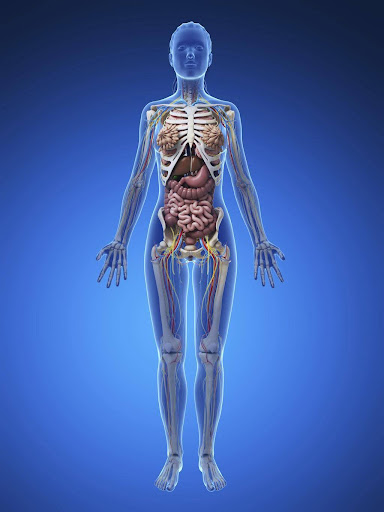
A female anatomy model is an essential educational tool designed to visually represent the structure of the female human body. These models are widely used in medical institutions, biology classrooms, and healthcare training environments to provide a clear and detailed understanding of human anatomy.
Unlike flat images in textbooks, anatomy models offer a 3D, hands-on learning experience, helping students and professionals better understand complex body systems.
What is a Female Anatomy Model?
A female anatomy model is a scientifically accurate representation of the female body that showcases both internal and external structures. It includes:
- Skeletal system
- Muscular system
- Internal organs
- Nervous system
- Female reproductive system
These models are specifically designed to highlight female biological differences, such as pelvic structure and reproductive organs, making them highly valuable for accurate study and training.
Types of Female Anatomy Models
1. Full Body Anatomy Models
These models display the entire human body with removable parts. They allow users to explore organs and systems in detail, making them ideal for medical students and professionals.
2. Skeletal Models
Focused on bone structure, especially the female pelvis, which is wider compared to males. These models help in understanding posture, movement, and body framework.
3. Muscular System Models
These show how muscles are structured and function in the body. They are useful for studying muscle groups and their interaction with bones.
4. Reproductive System Models
Specialized models that highlight female reproductive organs such as the uterus, ovaries, and fallopian tubes. These are commonly used in gynecology and healthcare education.
Importance of Female Anatomy Models
Better Visualization
They make it easier to understand complex anatomical structures through 3D representation.
Practical Learning
Students can physically interact with models, improving memory retention and understanding.
Safe Alternative
They provide a hygienic and reusable alternative to cadavers.
Accurate Representation
Modern models ensure proper representation of female anatomy, which is crucial in medical training.
Key Features to Consider
When choosing a female anatomy model or a model of human body, consider the following:
- High anatomical accuracy
- Clear labeling of parts
- Detachable organs for detailed study
- Durable material
- Appropriate size (life-size or scaled)
Applications
Female anatomy models are widely used in:
- Medical and nursing education
- Healthcare training programs
- Patient education
- Research and demonstrations
- Art and design studies
Conclusion
A female anatomy model is a powerful tool for anyone looking to understand the human body in a detailed and practical way. Whether used in classrooms, clinics, or training centers, these models enhance learning, improve accuracy, and make complex concepts easier to grasp.