

There are cars you can buy if you have enough money, and then there are cars that exist in such limited numbers that even having enough money doesn’t guarantee ownership.
What I’m about to tell you represents the absolute peak of automotive rarity, where production runs are measured in dozens rather than hundreds, and where simply spotting one in the wild makes you question whether you’ve actually witnessed automotive history or experienced a particularly vivid hallucination.
The Mercedes-McLaren SLR Stirling Moss

Let’s start with the most mental car Mercedes-Benz and McLaren ever conspired to create. The SLR Stirling Moss.
Seventy-five were built.
That’s it.
But here’s what most people don’t know: this wasn’t just an SLR with the roof chopped off.
The entire rear end was redesigned to evoke the 300 SLR that Stirling Moss piloted to victory in the 1955 Mille Miglia, covering 1,000 miles of Italian roads at an average speed that would be illegal on motorways today.
The really bonkers bit?
No windscreen.
None.
Just two small deflectors that do absolutely nothing when you’re doing 217mph. The helmet the car came with wasn’t a styling accessory; it was mandatory equipment because otherwise your face would be rearranged by insects and oxygen deprivation.
Gordon Murray called it “magnificently impractical,” which from the man who designed the McLaren F1 is quite the statement.
The supercharged 5.4-liter V8 produces 650 horsepower, but the real party trick is the sound. Without a roof to contain it, the supercharger whine becomes an automotive opera that makes neighbors question their life choices. Each one was hand-built at McLaren’s Woking facility, with assembly taking more than 2,000 man-hours. That’s three months of skilled labor for a single car.
The ‘Rari Daytona SP3
The Daytona SP3 isn’t just rare; it’s automotive time travel executed by people who understand that the 1960s produced the most beautiful racing cars ever created. Only 599 were built, but here’s the thing nobody talks about: this car was so oversubscribed that Ferrari could have sold 5,000 if they wanted to compromise exclusivity.
The naturally aspirated 6.5-liter V12 produces 829 horsepower at 9,250rpm.
That’s fighter jet territory. But the genius is in the details.
The buttresses behind the cabin channel air in ways that would make aerodynamicists weep with joy. The T-top roof panels are stored in custom-fitted luggage because Ferrari understood that owners would actually drive these things rather than just displaying them.
Jim Glickenhaus tried to sue Ferrari over the design, claiming it infringed on his P4/5. Ferrari’s response was essentially “we invented this design language in 1967, try again.” The courts agreed.
That legal victory is almost as satisfying as the V12’s soundtrack.
Lamborghini Veneno
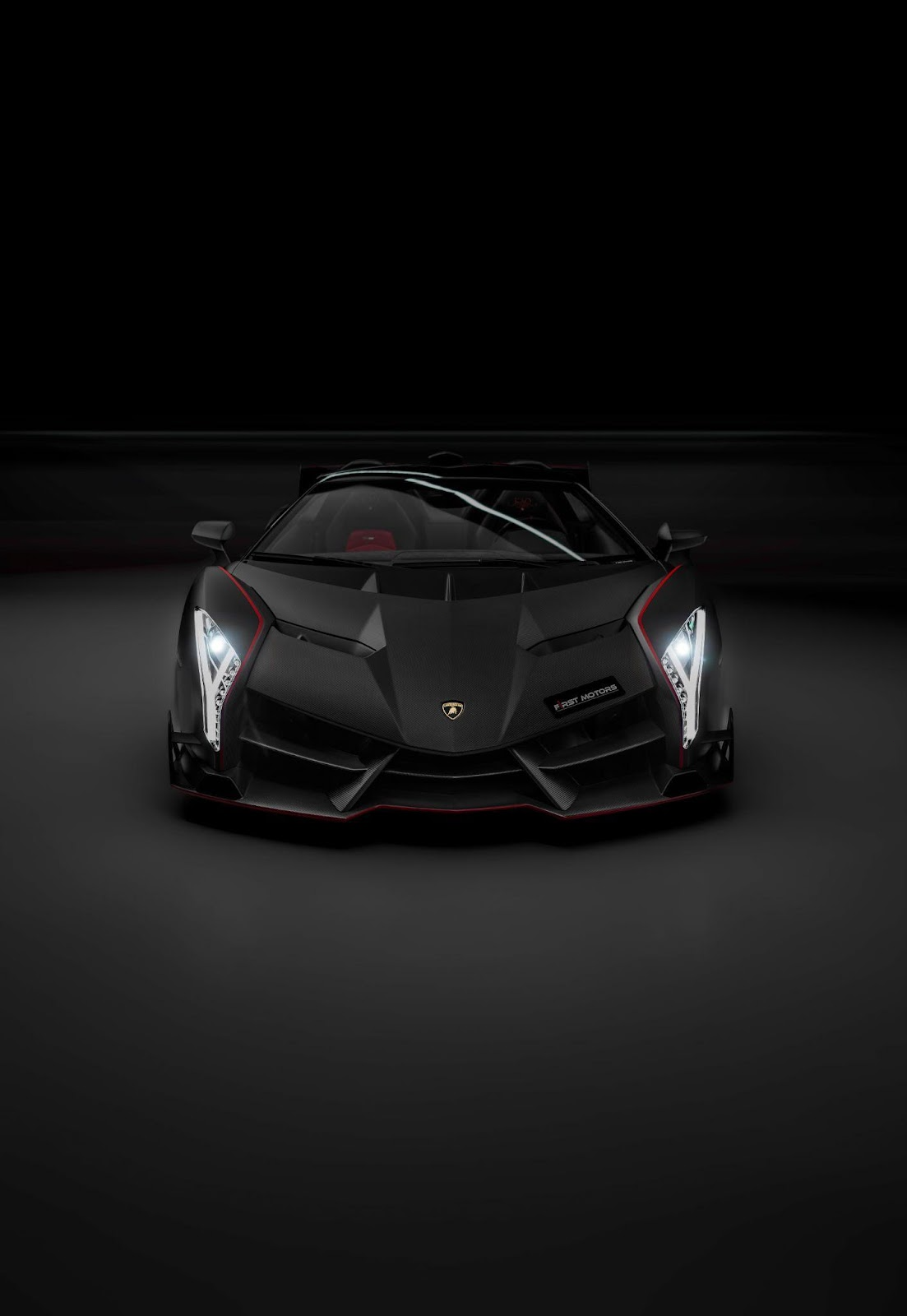
Only fourteen exist. Nine coupes, five roadsters.
That’s rarer than rational government policy. But here’s what makes the Veneno properly special: it was developed in just five months. Five. Lamborghini’s engineers took the Aventador platform and turned it into something that looks like it was designed by people having fever dreams about fighter jets.
The 6.5-liter V12 makes 750 horsepower, but the aerodynamics are where things get mental. The entire underbody generates massive downforce while those ridiculous winglets and that insane rear wing create stability at speeds that make insurance companies faint. Lamborghini’s test driver claimed it was more stable at 200mph than the Aventador at 150mph.
The price? €3.6 million when new.
Now?
Double that.
Possibly triple.
Nobody’s selling them to find out.
One owner described it as “driving automotive chaos that’s somehow been tamed just enough to be street legal.” The roadster version is even madder because you can actually hear the V12 screaming without roof insulation getting in the way.
Lamborghini Sian FKP 37
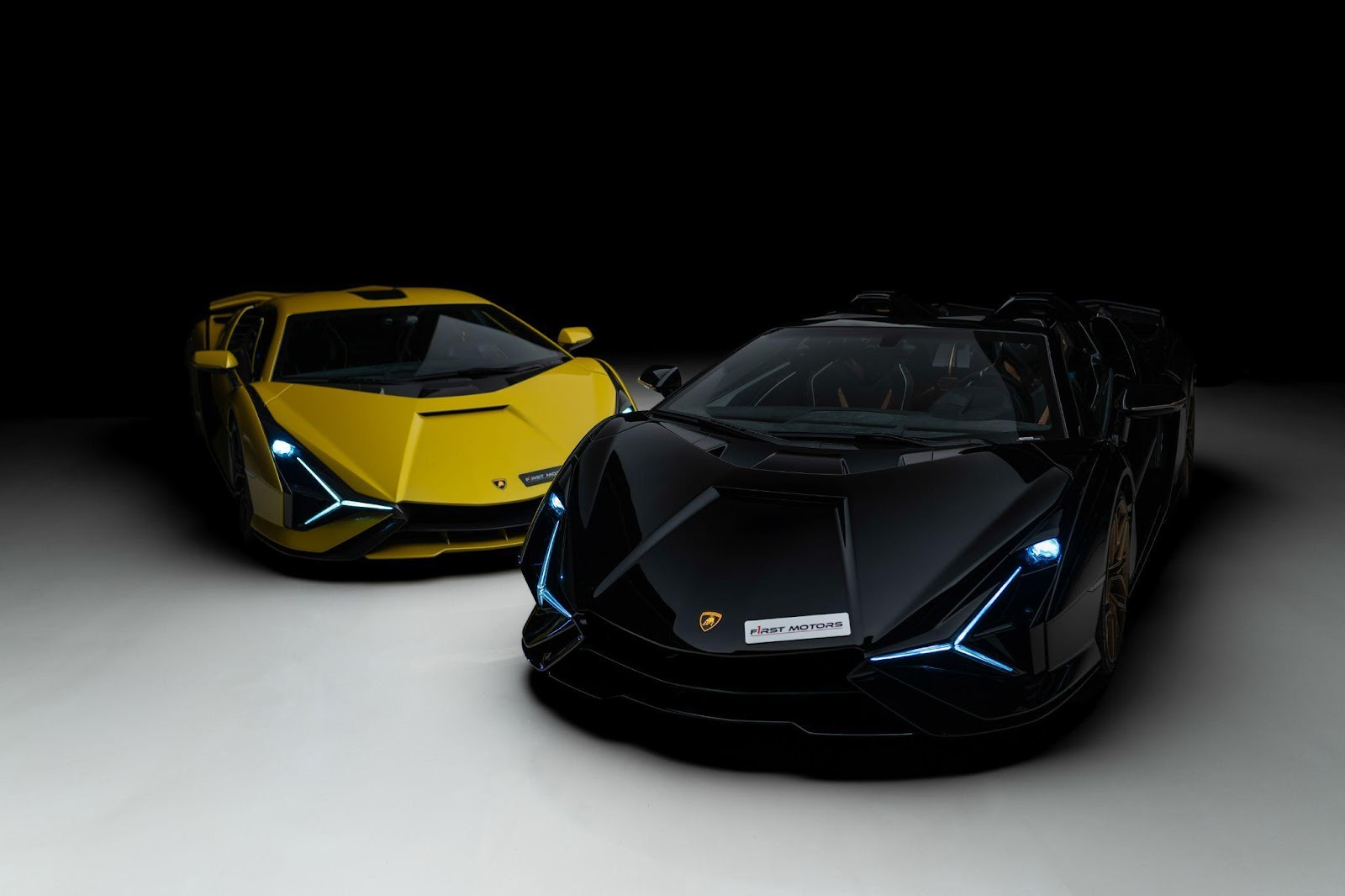
Sixty-three coupes. Nineteen roadsters. That’s your lot.
The Sian is historically significant as Lamborghini’s first hybrid.
But not the boring Prius kind of hybrid. This uses supercapacitors instead of batteries because Lamborghini’s engineers decided lithium-ion technology was too heavy and too slow.
The supercapacitor system weighs just 34 kilograms and delivers instant power with zero lag. Combined with the 6.5-liter V12, total output hits 819 horsepower, making it the most powerful Lamborghini ever built.
The 0-60mph time of 2.8 seconds isn’t the impressive bit; it’s how it keeps pulling past 200mph like it’s personally offended by atmospheric resistance.
The FKP 37 designation honors Ferdinand Karl Piëch, who passed away shortly before the car’s reveal. He was born in 1937, hence the number. This was the last naturally aspirated V12 Lamborghini before regulations forced hybridization across the range.
That alone makes it historically significant beyond the insane specifications.
Bugatti Centodieci
Ten were made.
Ten.
That’s fewer than most people have fingers. At €8 million each, they sold out in hours despite Bugatti not showing anyone the actual car, just design sketches. That level of trust only happens when you’re Bugatti and your customers know you’ll deliver something properly mental.
The Centodieci is a tribute to the EB110, Bugatti’s bonkers 1990s supercar that most people forget existed. But here’s the genius: while it looks retro, the engineering is pure Chiron. The quad-turbo W16 produces 1,600 horsepower, same as the Chiron Super Sport, but the Centodieci weighs 20 kilograms less.
Every panel is new.
Every surface serves aerodynamic purpose.
The horseshoe grille?
Smaller than any modern Bugatti, echoing the EB110’s subtle frontal area. Those air intakes on the shoulders? They feed the engine while creating the visual drama that makes people stop and stare. The rear lighting is pure EB110 homage but executed with LED technology that wouldn’t look out of place on a spaceship.
Cristiano Ronaldo bought one.
So did a Saudi prince who already owned seventeen other Bugattis.
That’s the caliber of people competing for these ten examples.
Here’s the thing about these five hypercars: they represent the absolute pinnacle of what’s possible when manufacturers decide that profit margins and practicality can take a very long walk off a very short pier. These aren’t just cars; they’re mechanical expressions of human ambition freed from the constraints of common sense. Each one represents thousands of hours of skilled labor, millions in development costs, and the kind of engineering expertise that most manufacturers save for racing programs.
Will we see their like again?
Probably not.
Emissions regulations, electrification mandates, and changing market dynamics mean the era of building naturally aspirated V12s that produce nearly 1,000 horsepower is ending. They’re guardians from a time when automotive excess was celebrated rather than apologized for.
And that makes them infinitely more valuable than their already astronomical price tags suggest.