

Introduction
Modern electronics are becoming smaller, lighter, and more powerful every year. To support these changes, engineers need advanced circuit technologies that can fit into compact spaces without losing performance. One of the most important innovations in this area is the flexible circuit board. Unlike traditional rigid boards, this technology can bend and adapt to different shapes, making it ideal for modern devices. It allows designers to create products that are thinner and easier to assemble. Many industries now depend on flexible circuits to improve product efficiency and reliability. Companies such as Flex Plus FPC play a role in manufacturing high-quality circuit solutions that support advanced electronic designs. Because technology continues to evolve, flexible circuits have become a key part of modern engineering. Understanding their design, features, and applications helps businesses and engineers choose the right solutions for their products.
What Is a Flexible Printed Circuit Board?
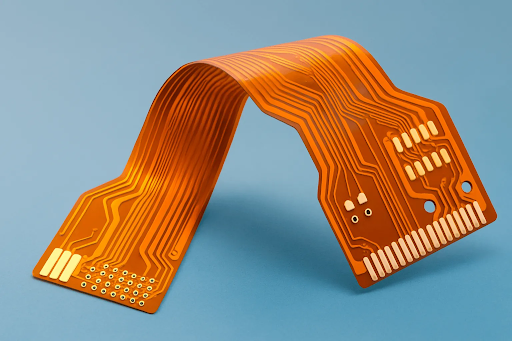
A flexible printed circuit board is a type of electronic circuit that is built on a bendable base material. Instead of using stiff fiberglass like traditional boards, these circuits are created with thin films that allow movement and flexibility. This design allows the circuit to fit into curved or tight spaces that rigid boards cannot reach. Inside the board, thin copper paths carry electrical signals between components, just like in other types of circuits. Because of the flexible material, these boards can also handle repeated bending without breaking. This makes them suitable for devices that need movement or compact designs. Flexible circuits may contain one layer or several layers depending on the complexity of the device. Their lightweight structure and strong performance make them widely used in modern electronics.
Key Design Features of Flexible Circuit Boards
Designing a flexible printed circuit board requires careful planning to ensure reliability and long-term performance. Engineers must choose the right materials, such as polyimide films, which are known for their heat resistance and flexibility. Another important factor is the layout of copper traces. These traces must be arranged to reduce stress when the board bends. Designers also pay attention to the bend radius, which determines how sharply the board can bend without damage. Protective layers are added to shield the circuit from moisture, dust, and mechanical stress. In addition, components are placed carefully to avoid bending areas where damage could occur. Advanced design tools help engineers test these layouts before production. Experienced manufacturers, including companies like Flex Plus FPC, focus on precision during the design process to ensure the circuits perform well in demanding electronic systems.
Advantages of Flexible Circuit Technology
Flexible circuit technology offers several advantages compared to traditional circuit designs. One major benefit is space efficiency. Because the circuits can bend and fold, they can be placed in small or unusual areas inside electronic devices. This allows engineers to design products that are thinner and more compact. Another advantage is reduced weight, which is especially important for portable electronics. Flexible circuits also improve reliability because they reduce the number of connectors and wires that may fail over time. Their ability to handle vibration and movement makes them ideal for devices that experience physical stress. In addition, assembly processes become simpler since fewer parts are required. These benefits make flexible circuit technology a smart choice for modern electronic design where efficiency and durability are important.
Common Materials Used in Flexible Circuit Manufacturing
The materials used in flexible circuit manufacturing play a major role in the performance of the final product. One of the most widely used materials is polyimide film, which provides excellent flexibility and resistance to high temperatures. Copper foil is another key material because it forms the conductive pathways that allow electrical signals to move through the circuit. The thickness of the copper layer can vary depending on the design requirements. Protective layers are often added to prevent damage from moisture, dust, or physical contact. Some circuits also use adhesives to bond different layers together, although advanced designs may avoid adhesives for better reliability. Choosing the right materials ensures the circuit can survive harsh conditions and continue to operate effectively over time.
Applications in Consumer Electronics
Flexible circuits are widely used in consumer electronics because modern devices demand compact and efficient designs. Smartphones, tablets, cameras, and wearable devices rely on these circuits to connect internal components while saving space. For example, display screens, batteries, and sensors can be connected through thin flexible connections that fit easily inside the device. Wearable technology especially benefits from flexible circuits because the devices must comfortably fit on the human body. Their ability to bend makes them suitable for curved designs and moving parts. As consumer electronics continue to evolve with more advanced features, flexible circuit technology supports these improvements by allowing engineers to design smaller and smarter devices that meet user expectations.
Applications in Medical and Automotive Industries
Flexible circuits are also widely used in medical and automotive technologies. In the medical field, devices often require lightweight and compact electronic systems that can operate safely and reliably. Flexible circuits help achieve this by fitting into small medical devices such as diagnostic equipment, monitoring sensors, and portable healthcare tools. In the automotive industry, electronics are becoming more advanced with digital displays, lighting systems, and safety features. Vehicles experience constant vibration and temperature changes, so flexible circuits help maintain stable electrical connections. Their durability makes them suitable for long-term use in challenging environments. As both industries continue to adopt smarter technology, flexible circuits will remain an important component in modern system design.
Conclusion
Flexible circuit technology has become an essential part of modern electronics because it supports compact, efficient, and reliable designs. By allowing circuits to bend and adapt to different shapes, engineers gain more freedom when creating advanced devices. These circuits reduce weight, save space, and improve overall product durability. They are widely used in consumer electronics, healthcare equipment, and automotive systems, showing their importance across many industries. Careful design, quality materials, and precise manufacturing processes help ensure strong performance and long service life. Companies like Flex Plus FPC contribute to the development of these advanced solutions by focusing on innovation and manufacturing expertise. As electronic technology continues to evolve, flexible circuits will play an even bigger role in shaping the next generation of smart and efficient devices.