

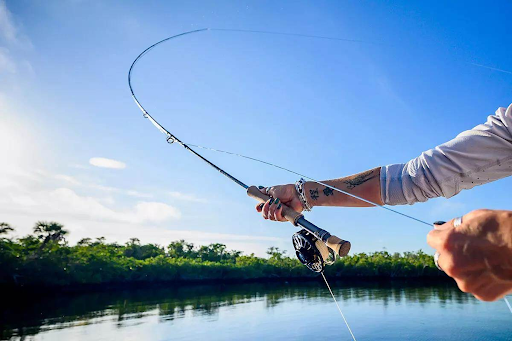
Fly fishing is a unique and rewarding form of angling that connects you deeply with nature while testing your patience, skill, and adaptability. For those new to the sport, stepping into waders with a rod in hand can feel overwhelming. The good news is that with the right guidance, beginner fly fishing tips can shorten the learning curve and help you enjoy the process from the very first cast. This article explores essential fly fishing tips for beginners, covering techniques, gear, and strategies that will make your time on the water more enjoyable and successful.
Understanding the Basics of Fly Fishing
Before diving into advanced techniques, it is important to understand what makes fly fishing different from other types of fishing. Traditional fishing relies on the weight of the lure or bait to carry the line out, while fly fishing uses the weight of the line itself to propel an almost weightless fly. This distinction changes how you cast, how you select your gear, and how you approach the water.
As a beginner, learning the rhythm of casting is crucial. Many novice anglers rush this part, but the essence of fly fishing lies in mastering smooth, controlled movements. Developing this skill early will set a strong foundation for your fishing journey.
Essential Gear for Beginners
Starting out does not require the most expensive gear on the market, but you do need reliable equipment. A balanced setup ensures a smoother learning experience. Here are the basics to consider:
- Fly Rod: Choose a medium-action rod in the 8 to 9-foot range, which offers versatility for different environments.
- Fly Reel: Look for a durable reel with a smooth drag system. For most beginners, simple designs work best.
- Fly Line: Floating line is the most versatile and recommended for those just starting.
- Leaders and Tippets: These connect your fly line to the fly, and choosing the right size is key to natural presentations.
- Flies: Begin with a small selection of dry flies, nymphs, and streamers. This gives you variety for different situations.
Equipping yourself with beginner-friendly gear helps you focus more on learning the craft rather than troubleshooting equipment.
Mastering the Fly Casting Technique
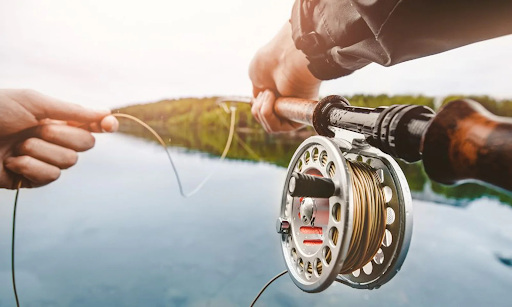
One of the best fly fishing tips is to spend time practicing your casting before stepping into the river. Casting is both an art and a science, and developing good habits early will save frustration later. Here are some things to keep in mind:
- Focus on Timing: The pause between forward and backward motions is crucial. Rushing leads to tangles and poor distance.
- Use Short Distances First: Start with short casts to build confidence before extending to longer ranges.
- Keep Your Wrist Steady: Many beginners struggle with overusing their wrists. Instead, use your forearm and shoulder to control movement.
- Practice on Grass: Before heading to the water, practice in an open area to build muscle memory.
Consistency is more important than distance at this stage. Smooth, controlled casts will catch more fish than long, sloppy ones.
Reading the Water
Fish behavior is often tied to water conditions, so learning how to read a river, stream, or lake is one of the best fly fishing tips for beginners. Trout and other species prefer certain areas where food is abundant and currents are manageable. Look for:
- Eddies and Pools: Calm sections where insects gather.
- Current Seams: Boundaries where fast and slow water meet, often prime feeding spots.
- Undercut Banks and Rocks: Natural shelters where fish hide from predators while waiting for food.
By understanding these patterns, you increase your chances of presenting flies where fish are most likely to strike.
Choosing the Right Flies
Matching the hatch is a common phrase in fly fishing, meaning that you should use flies resembling the insects currently active in the environment. While mastering entomology takes time, there are beginner fly fishing tips to simplify this process:
- Observe the Water: Watch what insects are flying around or floating on the surface.
- Start with Basics: Patterns like Adams, Elk Hair Caddis, and Woolly Bugger work in many situations.
- Experiment with Sizes: Sometimes presentation matters more than exact imitation. Try different fly sizes to see what fish respond to.
A small fly box with versatile patterns is all a beginner needs to start successfully.
Handling Fish Responsibly
Catching fish is only part of the experience. Proper handling ensures healthy releases and maintains the ecosystem for future anglers. Always wet your hands before touching fish, avoid keeping them out of the water too long, and use barbless hooks whenever possible. Respecting the fish you catch is an important part of the fly fishing tradition.
Common Mistakes Beginners Should Avoid
Even with the best fly fishing tips, mistakes are part of the learning process. Recognizing them early helps you progress faster:
- Overcasting: Trying to achieve long distances before mastering short, accurate casts.
- Ignoring the Environment: Not paying attention to insect activity, water temperature, or fish behavior.
- Using the Wrong Gear: Selecting a fly rod or line that does not match your fishing environment.
- Lack of Patience: Expecting immediate success instead of embracing the process.
Avoiding these pitfalls will make your time on the water far more enjoyable.
Best Practices for Success on the Water
Beyond technical skills, mindset plays a huge role in fly fishing. Patience and observation often lead to success where brute force fails. Keep these practices in mind:
- Stay Quiet: Sudden movements or noise can spook fish.
- Adjust Frequently: If a method isn’t working, switch flies or casting angles.
- Observe Others: Experienced anglers can provide valuable insight by simply watching their techniques.
- Fish During Active Times: Early mornings and late evenings are often the most productive.
Combining skill with mindfulness can transform your experience from frustrating to fulfilling.
Building Confidence with Local Knowledge
Every body of water has its own personality. Local anglers, fly shops, and online communities often share insights that shorten your learning curve. Do not hesitate to ask for advice or join a group outing. Many experienced fly fishers are eager to help newcomers discover the joy of the sport. Building connections not only improves your skills but also deepens your appreciation for the community around fly fishing.
Growing as a Fly Angler
The journey does not end with mastering beginner fly fishing tips. Fly fishing is a lifelong learning process that blends skill, patience, and passion. Over time, you will experiment with new waters, different fly patterns, and advanced casting techniques. Each experience adds to your knowledge and strengthens your confidence. Whether your goal is to catch trophy trout or simply enjoy peaceful mornings by the river, the lessons you learn along the way become part of your personal story as an angler.
Casting Into Your Future
Fly fishing offers more than just a way to catch fish. It teaches patience, observation, and respect for the environment. For beginners, starting with simple, actionable advice makes the process approachable and rewarding. By focusing on proper gear, learning casting basics, observing the water, and adopting the best fly fishing tips, you can develop a strong foundation for a lifelong passion. Every cast you make is an opportunity to grow, and every day on the water is a step toward mastering this timeless art.