

The geography of startup building has changed, but early-stage capital is still catching up. For decades, venture capital has been concentrated in a few dominant hubs, shaping not just where companies get funded, but where they get built. Today, that model is under pressure.
Founders are increasingly building from outside traditional ecosystems. Distributed teams, easier access to global talent, and the practical use of AI in daily operations have lowered the barriers to starting and scaling companies from almost anywhere. Strong businesses are now emerging from regions that were previously overlooked.
What hasn’t scaled at the same pace is access to capital. Investor networks remain dense in a few locations, leaving many founders in emerging markets with limited access to funding and mentorship. The result is a growing mismatch between where innovation is happening and where capital is available.
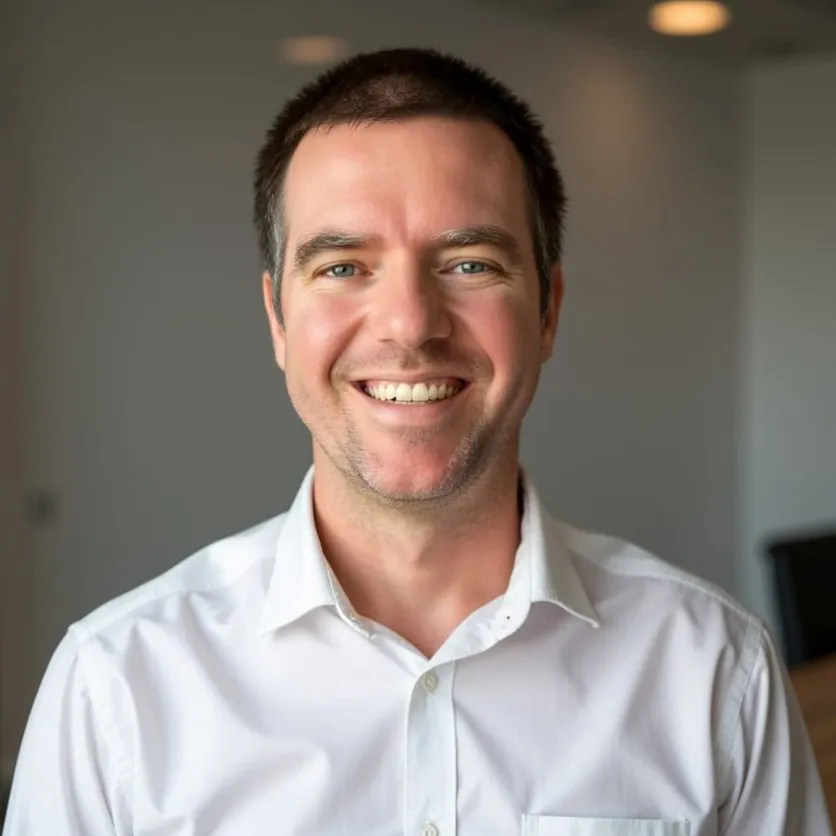
Chris Erhardt has focused his work on addressing this imbalance. With a background across founding, operating, and advising, he has consistently worked at the intersection of systems, capital, and execution.
His early experience building Tunedly, a global platform connecting songwriters and creators, shaped much of this thinking. Operating a distributed network before it became mainstream required solving for coordination across geographies, aligning incentives between participants, and maintaining quality without centralized oversight. These were not just product challenges, they were structural ones.
That experience led to a broader insight. As businesses become more distributed, the strength of the underlying systems becomes more important, not less. Geography may matter less than before, but execution still depends on how well systems are designed.
After his time as a founder, Erhardt moved into advisory roles, working with companies and public sector organizations on implementing AI and automation. His focus has remained practical. Rather than treating AI as a future-facing concept, he has emphasized its role in improving current operations, from decision-making to efficiency.
This approach reflects a clear view of how technology creates value. Tools alone do not change outcomes. What matters is how they are integrated into workflows and used consistently over time.
In his current role as Director of 412 Angels at Endeavor Heartland, Erhardt is applying these ideas to early-stage investing. As startup activity expands beyond traditional hubs, regions like the U.S. Heartland are producing companies with strong fundamentals but limited access to investor networks.
Through 412 Angels, he is working to build a more distributed investment ecosystem. A key part of this effort is expanding participation in angel investing, particularly among individuals who have not traditionally been involved in startup funding. Increasing the number of active investors helps unlock capital while also strengthening local networks.
This shift reflects a broader change in how ecosystems are being built. Instead of relying only on institutional capital, there is growing emphasis on networks that combine funding with mentorship and operational support. Angel investors play a critical role here, especially in early stages where guidance can significantly influence outcomes.
Erhardt’s experience as a founder continues to shape his perspective. He understands that capital alone is not enough. Founders also need access to the right networks, practical insight, and ongoing support as they scale.
At the same time, his continued work in AI is influencing how he views the investment process itself. There is increasing potential to use technology to improve how opportunities are sourced, evaluated, and supported after funding. In less resource-dense markets, even small improvements in efficiency can have meaningful impact.
The focus is not just on increasing capital flow, but on improving how it is deployed. Better systems can lead to better decisions, and ultimately, better outcomes for both founders and investors.
As innovation continues to spread across geographies, the need for accessible and well-connected capital networks will only grow. The next phase of startup growth will depend less on location and more on how effectively ecosystems are built around founders.
Erhardt’s work reflects this shift. By focusing on both capital access and operational systems, he is contributing to a more distributed and connected model of early-stage investing.
For founders, investors, and organizations interested in shaping early-stage ecosystems, Chris Erhardt is open to conversations around angel investing, startup funding, and practical AI implementation. Those interested can connect via www.chriserhardt.com or on LinkedIn at https://www.linkedin.com/in/chriserhardt/ to explore potential collaborations.