

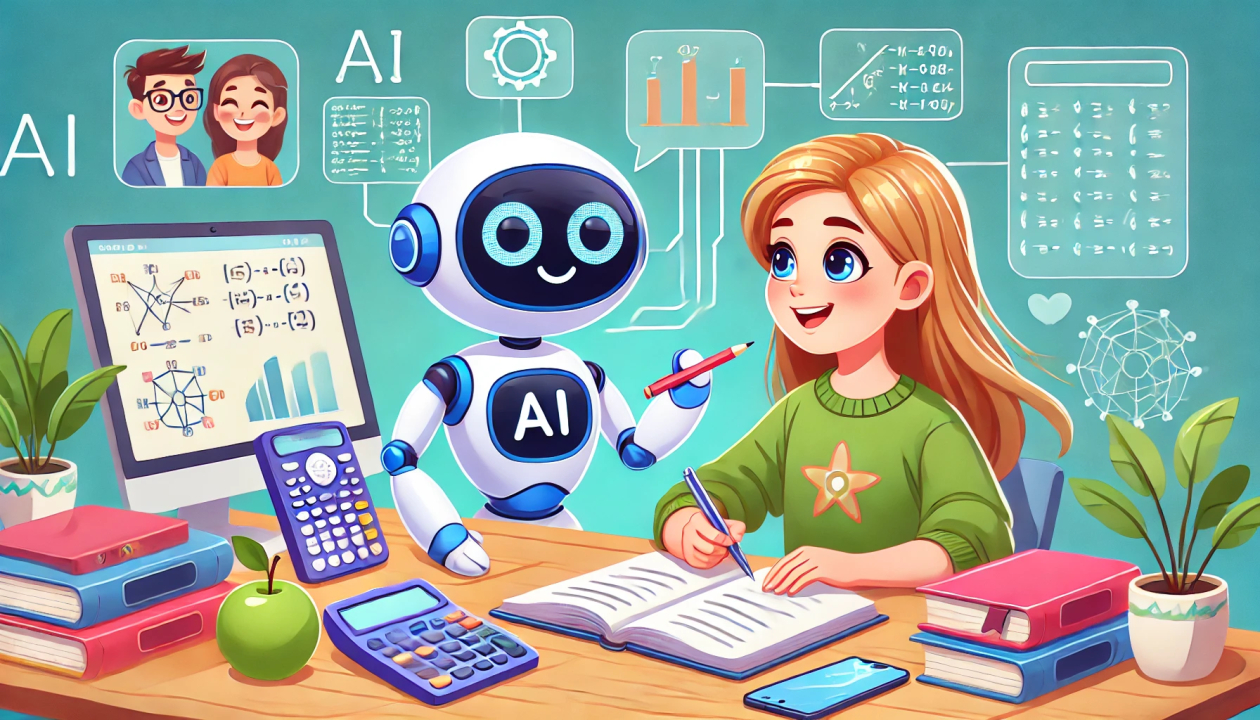
Technology has reshaped how we think, work, and create. From the first calculator to modern artificial intelligence, every tool tells a story of human curiosity and progress. The journey from simple computation to cognitive automation reflects how innovation becomes part of everyday life.
1. The Humble Beginning – Calculators and the Birth of Digital Precision
The story of everyday tech starts with the calculator – a small invention that changed everything. Early electronic calculators appeared in the 1960s, powered by transistor-based logic and limited memory. For modern applications, see this practical online calculator tools guide to simplify daily tasks.. Yet, they revolutionized the way people handled numbers.
For the first time, complex arithmetic could be completed instantly. Engineers, students, and businesses embraced calculators as essential tools for accuracy and speed. The shift from manual computation to digital precision marked the first major leap in personal technology.
Each model became faster, smaller, and more affordable. The calculator was more than a device – it was humanity’s first taste of accessible computing power.
2. The Computer Revolution – Expanding the Digital Frontier
As technology advanced, the calculator’s logic evolved into something greater: the computer. The 1970s introduced personal computing powered by microprocessors and programmable memory. Suddenly, users could perform not just arithmetic, but word processing, data analysis, and design.
The computer became the center of human productivity. From IBM’s early PCs to Apple’s revolutionary Macintosh, computing evolved into a creative and analytical companion. The digital frontier had opened – transforming classrooms, offices, and industries.
Everyday tasks became digital processes. Spreadsheets replaced paper ledgers. Word processors replaced typewriters. The personal computer became the modern workbench of the information age.
3. The Internet and Mobile Shift – Tools Go Global
The late 1990s and early 2000s marked another transformation – the rise of connectivity. The internet turned isolated devices into a global network of shared information. Suddenly, every tool was part of something bigger.
Email, search engines, and online applications became the foundation of modern productivity. Then came the smartphone, turning every user into a mobile data hub. Within a decade, tools that once filled desks now fit in our pockets.
Smartphones blended hardware and software into seamless ecosystems. Calculators, cameras, maps, and notepads merged into a single device powered by apps and cloud computing. For the first time, technology adapted to human behavior – not the other way around.
4. The Rise of AI – Machines That Learn and Think
Artificial Intelligence (AI) became the next great milestone. Instead of following commands, machines began learning from data and making predictions. AI turned tools into thinking partners – from voice assistants like Siri and Alexa to recommendation algorithms and predictive text.
AI represents the next stage of evolution: automation guided by intelligence. Where calculators solved equations, AI now interprets meaning, context, and intent. Machine learning models identify patterns, analyze emotions, and even generate human-like language.
This isn’t just smarter technology – it’s adaptive technology. Every interaction improves performance. Every dataset makes the system more accurate. Humanity has moved from logic circuits to learning circuits.
5. Everyday AI – How Intelligence Blends into Daily Tools
Artificial Intelligence isn’t just in labs – it’s everywhere. From search engines refining results to navigation apps predicting traffic, AI enhances daily routines. Even traditional tools, like calculators, now operate online with intelligent features.
For example, modern digital tools can perform currency conversions, statistical analysis, and unit transformations instantly – functions once limited to specialized software. This blending of smart computation and accessibility defines the new era of everyday tech.
A practical example is CalculatorPoint.net – a platform that represents how simple tools evolve with modern algorithms and online accessibility. It continues the legacy of early digital calculators, providing users with precise, real-time calculations directly through web-based interfaces.
- AI and Human Collaboration – The Future of Everyday Work
AI doesn’t replace humans – it amplifies them. Smart assistants manage schedules. AI editors refine grammar and tone. Data tools analyze trends faster than any human could.
In this symbiotic model, humans bring creativity and judgment, while AI delivers accuracy and speed. Together, they redefine what “productivity” means.
In businesses, this balance enhances efficiency. In education, it accelerates learning. In everyday life, it simplifies decisions – from budgeting to travel planning. Every AI-powered tool reflects one goal: helping humans think beyond manual limits.
7. Beyond AI – The Next Frontier of Everyday Tech
As AI matures, the next chapter is already unfolding. Quantum computing promises unimaginable processing power. Neural interfaces aim to merge mind and machine. Sustainability drives innovation toward greener, energy-efficient devices.
Tomorrow’s everyday tools may not just serve humans – they may integrate with them. Imagine a calculator that understands natural language or a workspace that learns your habits to boost focus. These ideas, once science fiction, are quickly becoming technological blueprints.
Each breakthrough builds upon the foundations laid by simple devices – the mechanical calculator, the silicon chip, and the neural net. Progress never starts from zero; it evolves, layer by layer.
8. Lessons from a Century of Innovation
Looking back, one pattern stands out: simplicity drives adoption. The tools that changed the world – calculators, computers, smartphones, AI assistants – succeeded because they made complexity simple.
They turned expertise into accessibility. They gave everyone the ability to calculate, create, and connect. Whether it’s a student solving equations or an engineer designing a bridge, technology transforms when it feels effortless.
This principle remains true today. As artificial intelligence becomes mainstream, the real power lies not in replacing humans but in empowering them with intelligent simplicity.
9. Conclusion
The evolution from calculators to AI mirrors humanity’s pursuit of understanding. What began with basic arithmetic now touches every corner of modern life – communication, creativity, and cognition.
Each technological leap builds a bridge between what humans can imagine and what machines can achieve. Everyday tools are no longer passive instruments – they’re active partners in thought and creation.
As innovation continues, the line between technology and intelligence grows thinner. What started as a device that solved numbers has become an ecosystem that understands meaning. The journey of everyday tech proves one truth: when tools evolve, so does humanity.