

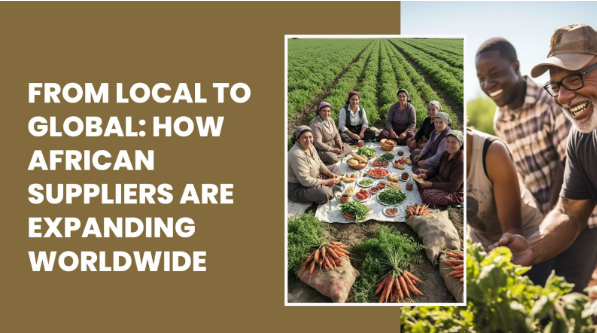
Africa is no longer just a source of raw materials. Today, African suppliers are building global brands, exporting high-quality goods, and entering new international markets with confidence. From agricultural products and natural resources to textiles, crafts, and specialty foods, African exporters are proving that international buyers want African quality, traceability, and authenticity.
This guide explains how African businesses are making the transition from local markets to international supply chains, what drives African suppliers expanding globally, and how more African producers can join the growing global export movement.
Why African Suppliers Are Going Global
African export market growth is driven by rising global demand for natural, organic, handcrafted, and ethically sourced products. International consumers and wholesale buyers are increasingly choosing African goods because they offer:
- Authentic, traceable origin
- High-quality raw materials
- Organic and sustainable agricultural practices
- Fair trade labor and ethical sourcing
- Competitive production advantages
As a result, the Africa local to global business movement is accelerating. Exporters across West, East, Central, North, and Southern Africa are expanding into Europe, the Middle East, North America, and Asia.
Africa is not just participating in global trade. It is shaping it.
High-Demand African Products in the Global Market
African exporters in global markets supply a wide range of products including:
- Cocoa, coffee, tea, and spices
- Shea butter, sesame, dried hibiscus, and moringa products
- Fresh produce and specialty grains like teff and fonio
- Textiles, fashion, and handcrafted goods
- Natural beauty products and essential oils
- Livestock and fisheries
- Mining and natural minerals
Global buyers for African products are actively searching for authentic origin-based goods and ethical sourcing programs. This creates strong opportunities for African agricultural export growth and value-added processing.
Key Drivers Behind Africa’s Global Trade Expansion
African suppliers are expanding worldwide due to several key factors:
- E-commerce and digital marketplaces
African suppliers now connect directly with global buyers online through African marketplace platforms and B2B trade networks. - Improved logistics and shipping channels
Distribution and export logistics from Africa are improving, giving small producers better access to global freight solutions. - Government trade programs
Several African nations have launched export support initiatives and simplified export documentation. - Technology and transparency tools
Traceability tags, digital certifications, and digital agriculture platforms make African supply chains more trusted. - Rising global interest in sustainable sourcing
Consumers worldwide value ethical farming and handcrafted production, areas where Africa excels.
How African Suppliers Reach Global Buyers: Step-by-Step
Below is a clear success path for African exporters entering international trade.
1. Build production capacity and consistency
Global buyers expect continuous supply, consistent quality, and clear traceability.
2. Meet global quality standards
Quality grading, hygiene, export-ready packaging, and proper post-harvest handling are essential.
3. Obtain certifications and documentation
Depending on the product category, exporters may require:
- Organic certification
- Fair Trade certification
- Export permits and phytosanitary certificates
- Trade licenses and company registration
4. Join export cooperatives and digital hubs
E-commerce for African products and online B2B platforms connect small-scale producers to verified buyers. Joining trade associations, cooperatives, and supplier networks accelerates access to the export market.
5. List products on global and Africa-focused export platforms
Marketplaces and global sourcing platforms allow suppliers to gain visibility and build trust internationally.
6. Build relationships with international buyers
Long-term supply contracts, transparency, and communication build trust and repeat business.
Common Challenges African Exporters Face
Even with strong market demand, African business international expansion is not without challenges:
- Meeting stringent international quality and packaging standards
- Limited access to export financing and capital
- High freight costs in some regions
- Certification costs for organic and global standards
- Complex export and customs procedures
However, these challenges are being solved with better trade support programs, cooperatives, digital trade platforms, and training initiatives across Africa.
Case Inspiration: How Small Suppliers Are Scaling Globally
African success stories include:
- Smallholder cocoa and coffee farmers partnering with ethical brands
- Shea cooperatives supplying European and U.S. beauty companies
- African textiles and fashion entering international retail chains
- Specialty crops like hibiscus, baobab, and moringa sold in health stores worldwide
These real-world achievements prove that African suppliers can enter global markets with high-value products and sustainable production models.
Digital Tools Helping African Exporters Scale
The rise of African digital supply chain platforms and trade technology has changed export accessibility. Tools supporting African suppliers expanding globally include:
- Digital agricultural marketplaces
- Export training portals and government trade programs
- Online quality testing and certification systems
- Blockchain and QR-based traceability systems
- Freight-booking and logistics technology
- B2B digital trade fairs and virtual buyer-seller programs
Technology is enabling small suppliers to operate like global brands.
The Future of African Export Growth
Africa’s global trade future is driven by:
- Youth entrepreneurship
- Digital marketplace growth
- Increased agricultural processing and value addition
- Fair-trade and organic farming expansion
- Free trade agreements and regional integration
African supply chain development continues to strengthen, opening more export doors and creating sustainable market access for producers.
How EFG Afro Market Supports African Exporters
EFG Afro Market helps African producers enter global trade through:
- Cross-border trade opportunities
- Digital marketplace listings
- Verified buyer connections
- Export readiness training
- Quality, packaging, and logistics support
African suppliers for wholesale buyers can use the platform to showcase their products and build long-term global partnerships.
If you are an African supplier ready to grow beyond borders, now is the time to take action.
Register on EFG Afro Market, list your products, connect with global buyers, and take your African business to the world.
Key Takeaways
- African suppliers are expanding into global markets rapidly.
- High-demand sectors include agriculture, natural products, food, crafts, and textiles.
- Export success requires certification, quality control, packaging, and global buyer partnerships.
- Digital platforms and trade networks enable Africa-to-world commerce.
- With the right support, African suppliers can scale internationally and compete globally.
Frequently Asked Questions
Q1. How do African suppliers reach global markets?
By joining export platforms, meeting quality standards, obtaining certifications, and building relationships with international buyers.
Q2. What products from Africa are in the highest global demand?
Cocoa, coffee, tea, spices, natural oils, shea butter, textiles, crafts, fresh produce, and specialty grains.
Q3. What challenges do African exporters face?
Export documentation, logistics, quality compliance, and access to financing, though support platforms are improving access.
Q4. What is the first step for African SMEs to start exporting?
Register your business, meet product standards, join an export platform, and start building a buyer network.
Q5. Do small farmers and artisans qualify for export?
Yes. With cooperatives, digital marketplaces, and training, even small producers can export successfully.