

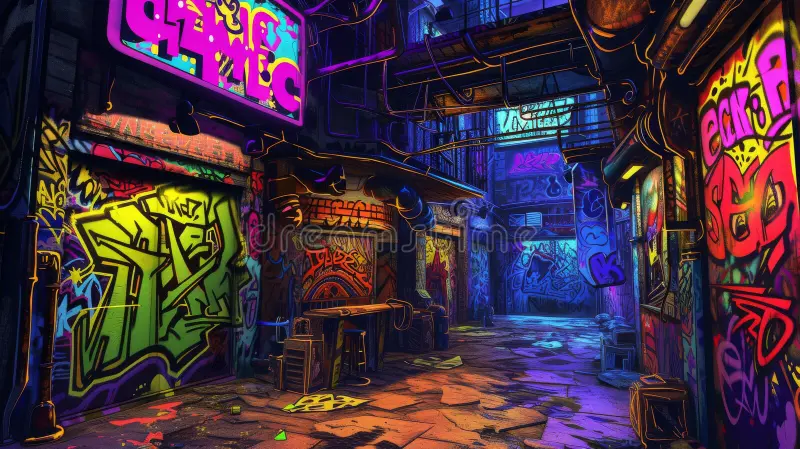
Neon was never meant to be subtle.
It was born on the streets — glowing above diners, buzzing in city alleyways, lighting up nightlife, music venues, and underground scenes. For decades, neon symbolised energy, rebellion, creativity, and movement. It was visual language for places that wanted to be seen.
Today, that same language has moved indoors.
Across the United States, neon signs have evolved from street-level signage into defining elements of modern aesthetic spaces. Bedrooms, lofts, studios, home offices, and creative rooms now borrow from street culture to create interiors that feel expressive, intentional, and alive.
This shift isn’t accidental. It reflects how people want their spaces to feel — less polished, more personal. And Oasis Neon Signs sits at the intersection of that evolution, helping neon transition from storefronts to wall art without losing its edge.
Street Culture Shaped Neon’s Visual Power
Neon gained its identity in places that thrived on visibility.
Urban streets used neon to:
- attract attention
- express attitude
- signal culture and belonging
- create atmosphere after dark
From New York backstreets to Los Angeles boulevards, neon became shorthand for nightlife, creativity, and movement. It wasn’t just signage — it was part of the city’s personality.
That cultural weight is what gives neon its power today. When neon appears in a home, it carries the energy of those streets with it.
Why Modern Interiors Borrow from Street Aesthetics
Modern interior design has shifted away from perfection.
Clean lines still matter, but people want:
- authenticity
- character
- emotional depth
- spaces that reflect identity
Street culture offers all of that. It’s expressive, imperfect, bold, and alive — the opposite of sterile interiors.
Neon bridges the gap perfectly. It brings raw visual energy into controlled indoor environments, creating contrast that feels modern rather than chaotic.
Neon as Wall Art, Not Just Lighting
This evolution is why neon is now treated as neon wall art rather than functional signage.
Unlike posters or prints, neon:
- emits light
- creates mood
- shapes atmosphere
- becomes part of the room’s identity
In modern aesthetic spaces, neon often replaces traditional art entirely. It doesn’t hang quietly — it defines the wall it’s on.
Aesthetic Spaces Are About Feeling, Not Filling
Aesthetic rooms aren’t cluttered. They’re intentional.
Every element serves a purpose, and neon fits that philosophy because it:
- adds impact without physical bulk
- creates a focal point instantly
- works as décor and lighting simultaneously
One neon sign can replace multiple decorative elements, which is especially valuable in apartments, studios, and compact urban homes.
This efficiency is one reason aesthetic neon signs have become staples in modern US interiors.
From City Energy to Personal Expression
Street neon was about attracting crowds.
Interior neon is about expressing self.
Inside homes, neon now communicates:
- mood
- mindset
- creativity
- identity
Words, symbols, and shapes replace brand names and storefront messages. The glow remains, but the message becomes personal.
This shift mirrors how people use their homes today — as extensions of who they are, not just places to live.
Neon Complements Modern Design, Not Fights It
One misconception is that neon clashes with minimalist or modern design.
In reality, neon works best when surrounded by restraint.
Neutral walls, clean furniture, and simple layouts allow neon to:
- stand out
- breathe visually
- feel intentional
The contrast between raw glow and controlled space is what makes modern neon interiors feel curated rather than chaotic.
The Rise of Creator & Culture-Driven Spaces
Content creators, designers, musicians, and digital artists were among the first to bring street neon indoors.
Why?
- neon photographs beautifully
- it adds depth on camera
- it creates recognizable visual identity
- it reflects creative culture
As creator spaces became visible online, the aesthetic spread. What started in studios moved into bedrooms, living rooms, and work-from-home setups.
Neon became a cultural marker of creativity itself.
Customisation Keeps Neon Authentic
Street neon was always specific — tied to a place, a vibe, a moment.
That specificity carries into interiors through custom neon signs.
Custom neon allows people to choose:
- exact wording
- tone and attitude
- font style
- size and brightness
This ensures the sign feels expressive rather than generic — a key reason neon has remained relevant instead of becoming overused.
Neon Balances Rawness with Comfort
Street culture is bold. Homes need comfort.
Modern LED neon strikes that balance by:
- delivering glow without heat
- remaining energy efficient
- offering soft, diffused light
- feeling safe for everyday living
This technical evolution allows neon to retain its visual punch while fitting seamlessly into comfortable spaces.
Why Neon Feels Timeless Despite Trends
Trends usually fade when they lose meaning.
Neon hasn’t, because it’s rooted in culture rather than fashion. Its connection to streets, music, nightlife, and creative expression gives it emotional weight that transcends design cycles.
As long as people want spaces that feel alive and personal, neon will have a place.
Why US Homes Choose Oasis Neon Signs
Across the United States, people choose Oasis Neon Signs because:
- designs honour neon’s cultural roots
- customization keeps signs authentic
- LED neon is safe and long-lasting
- glow is balanced for interior use
- signs suit modern aesthetic spaces
- quality supports daily living and filming
For spaces inspired by culture, quality and intention matter.
Neon Isn’t Just Décor — It’s Identity
Neon didn’t lose its edge when it moved indoors.
It evolved.
From streets to studios, from storefronts to bedrooms, neon continues to define spaces that value expression, creativity, and mood. It carries cultural history into personal environments, turning walls into statements and rooms into reflections of self.
In modern aesthetic spaces, neon isn’t an accessory — it’s a defining feature.
With Oasis Neon Signs, that glow connects street culture to personal style, one wall at a time.