

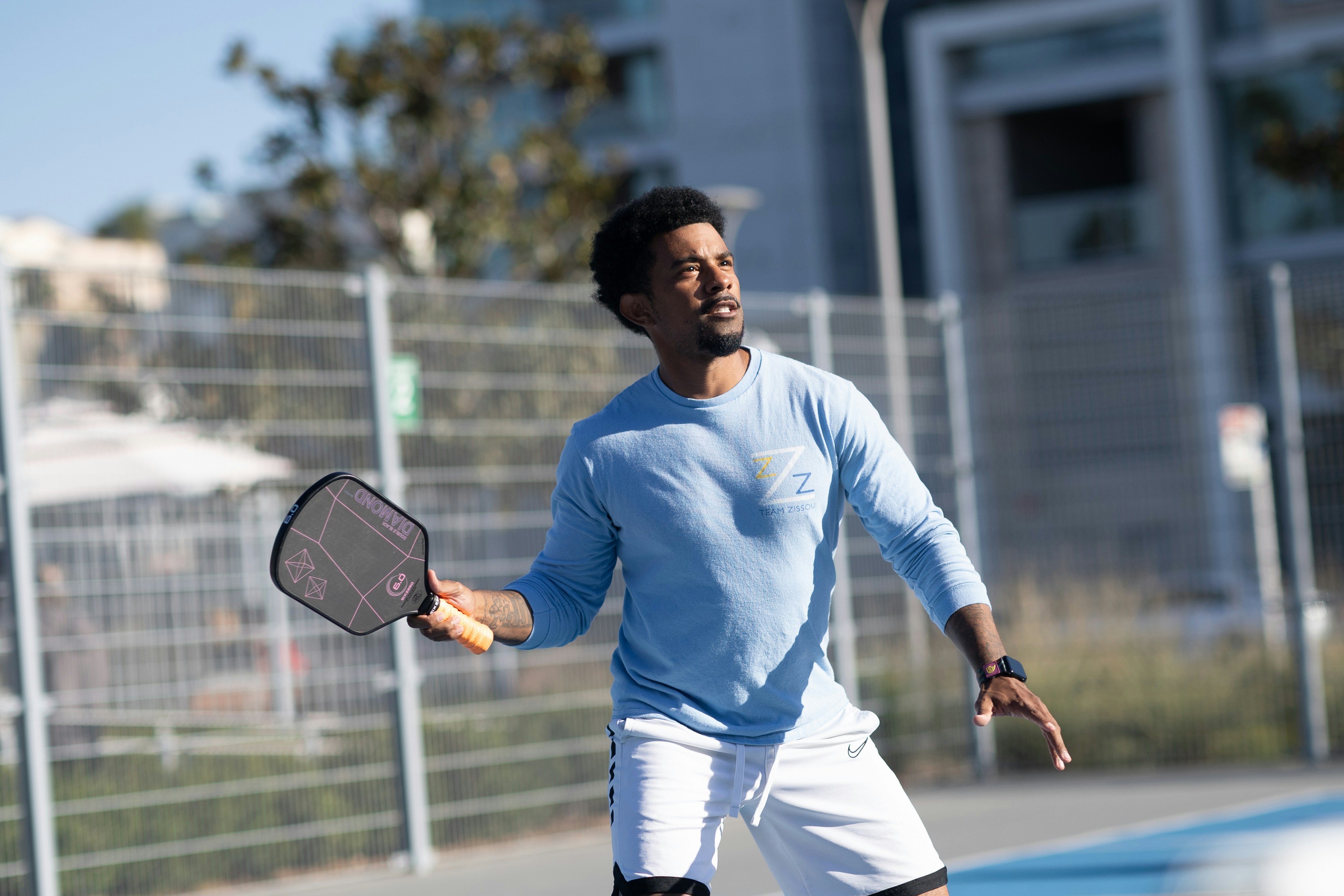
Across Michigan’s parks, neighborhoods, and recreation centers, a quiet transformation is happening—one that speaks volumes about the changing landscape of American leisure. Where tennis once dominated as the go-to court sport for suburbanites and city dwellers alike, a new contender is stealing the spotlight: pickleball.
This fast-growing paddle sport has taken root throughout the Great Lakes State, prompting municipalities and private clubs to rethink how court space is used. Rather than building entirely new facilities from scratch, many are opting for the more economical and practical solution of tennis to pickleball court conversion. It’s not just about sport—it’s about meeting community demand, adapting to cultural trends, and redefining how public and private spaces serve their residents.
Here’s how Michigan is flipping courts and flipping the script on how we think about recreational infrastructure.
Pickleball’s Meteoric Rise in the Midwest
Pickleball has grown from a quirky pastime into a full-fledged movement, and nowhere is this more evident than in Michigan. According to the Sports & Fitness Industry Association, pickleball is now the fastest-growing sport in the United States for the third consecutive year. In Michigan, its popularity spans generations, with everyone from retirees to school-aged kids taking up the paddle.
Part of this growth comes from the sport’s accessibility. With a smaller court, slower ball speed, and simplified rules, pickleball is easy to learn but offers enough challenge to keep players coming back. Michigan’s aging baby boomer population has embraced it for its low-impact physical benefits, while younger generations appreciate its social nature and fast-paced play.
A Smart Solution for Underused Tennis Courts
While tennis remains a respected sport, many communities have noticed a decline in casual participation. Courts that once buzzed with activity in the 80s and 90s are now often empty, especially during non-peak hours. In contrast, newly striped pickleball courts are seeing constant traffic, often from dawn to dusk. This discrepancy has prompted city officials, HOAs, and athletic directors to re-evaluate how outdoor space is used.
Rather than let tennis courts sit idle, conversions allow facilities to serve more residents with minimal investment. A standard tennis court can be converted into two to four pickleball courts, multiplying capacity and catering to broader demographics.
Michigan towns like Ann Arbor, Traverse City, and Rochester Hills are already leading the way, with dozens of successful conversions completed and more on the horizon. The shift not only revitalizes public spaces but also increases community engagement—an invaluable outcome for towns seeking to promote healthy lifestyles and social connectivity.
Cost-Effective Development for the Budget-Conscious
Building a new court from the ground up is expensive. Between land preparation, surfacing, fencing, and lighting, the total cost of a single new pickleball court can reach $40,000 or more. For municipalities and recreational facilities with limited budgets, this presents a major barrier. That’s why tennis to pickleball conversions have become so attractive—they offer a way to meet demand without draining public funds.
The process typically involves resurfacing or repainting the court, adjusting net heights, and sometimes adding portable or permanent pickleball nets. In many cases, these upgrades can be completed for a fraction of the cost of new construction.
Michigan’s parks departments are recognizing that these low-overhead investments can lead to major returns in terms of community satisfaction and usage rates.
Balancing Demand Without Alienating Tennis Players
Of course, the rise of pickleball has not been without friction. Tennis enthusiasts, many of whom have long relied on public courts for affordable access, have expressed concern over losing space to the newer sport. In Michigan, where tennis has deep roots in high school athletics and adult leagues, striking the right balance has become essential.
Many communities are choosing to create hybrid courts—striping both tennis and pickleball lines on the same surface and allowing scheduling systems to manage shared use. Others are designating specific days or times for each sport. Communication and transparency have been key to managing these transitions successfully. By engaging with local athletic groups and soliciting public input, towns are developing inclusive strategies that respect both sports and minimize conflict.
Boosting Property Values and Private Amenities
It’s not just public parks embracing the change. Private clubs, resorts, and residential developments across Michigan are also jumping on the conversion trend. For gated communities and country clubs, adding pickleball courts has become a competitive necessity as residents demand more diverse and modern amenities.
Many are finding that the investment pays off quickly—not only through increased member satisfaction but also through enhanced property value.
In upscale Michigan suburbs such as Bloomfield Hills and Northville, luxury homebuyers are now factoring pickleball access into their purchase decisions. Real estate listings that mention on-site or nearby pickleball courts tend to draw more interest, especially from active adults and families. As such, developers are increasingly integrating pickleball courts into master plans, often repurposing tennis areas to maximize appeal. This evolution is reshaping how residential amenities are marketed—and redefining what it means to have a “complete” community in Michigan.
Community Connection Through Organized Play
Pickleball’s social nature is one of its greatest assets, and court conversions are helping to fuel that energy. Many Michigan towns are organizing league play, beginner clinics, and open play nights that foster community connection and encourage residents to engage with one another. This emphasis on inclusivity and activity makes pickleball unique in its ability to bring people together.
Converted courts often become social hubs, especially when paired with shaded seating, spectator areas, or refreshments. Townships from Midland to Muskegon are reporting record participation in their pickleball programs, with waiting lists for tournaments and enthusiastic attendance at community events. The more courts available, the more these programs can grow, enriching local culture and promoting wellness.
Adaptability in All Seasons and Spaces
Michigan’s unpredictable weather has always been a challenge for outdoor recreation. Fortunately, the compact size of pickleball courts makes them easier to adapt to various environments. Many indoor facilities—such as school gyms, community centers, and YMCAs—are painting pickleball lines on existing basketball courts, allowing year-round play. Outdoor tennis courts are also being modified with seasonal dome covers or windbreaks to extend their usability well into the colder months.
Because of their flexibility, converted courts can fit in spaces where traditional tennis courts cannot—small parks, cul-de-sacs, or even converted parking lots. This adaptability means more communities across Michigan can bring pickleball to their residents without major disruptions or costly infrastructure changes. Whether it’s a rural township looking to repurpose an unused court or an urban neighborhood with limited space, pickleball offers a scalable and flexible solution.
Conclusion: A Winning Play for Michigan’s Future
Michigan’s conversion from tennis to pickleball isn’t just a trend—it’s a testament to the state’s ability to adapt, evolve, and meet its communities where they are. By embracing tennis to pickleball court conversion, towns, neighborhoods, and private facilities are tapping into a sport that champions accessibility, social connection, and smart land use.
Whether it’s a retrofitted high school court in Kalamazoo or a luxury backyard in Birmingham, pickleball is reshaping Michigan’s recreation scene with every serve and volley. With thoughtful planning and inclusive implementation, these conversions offer more than just a new game—they offer a renewed sense of community, activity and purpose. In a changing world, that’s a win for everyone.