

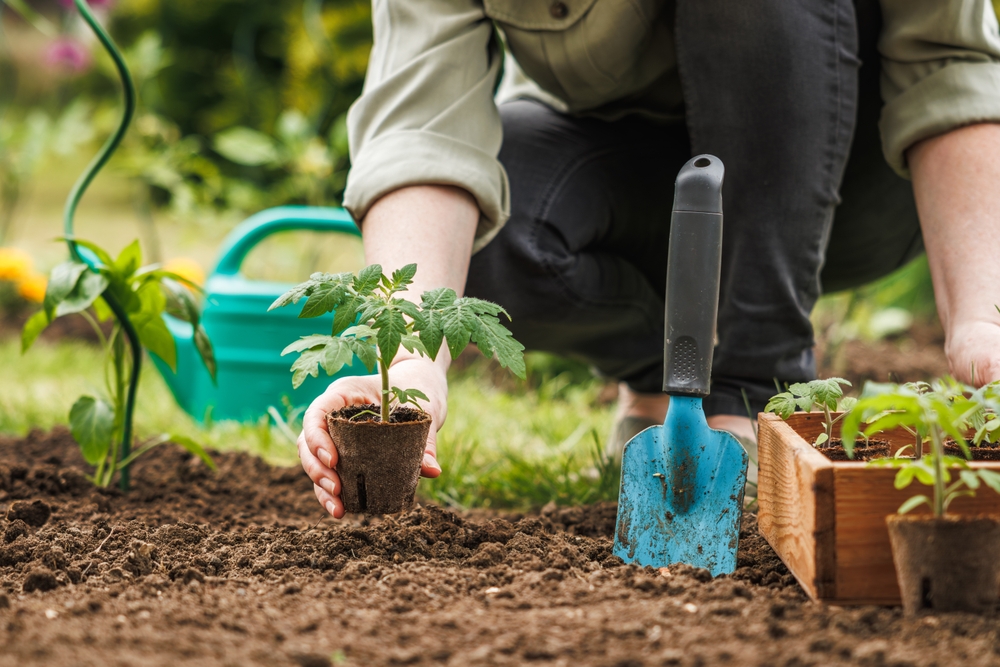
Gardening is a fun hobby that lets you connect with nature, enjoy the outdoors, and be proud of the pretty plants and flowers you grow. A lot of the time, it can hurt, especially if you bend, twist, and lift for a long time. You’re not the only one who has had a sore back after gardening. A lot of gardeners get back pain from bad posture, doing the same things over and over, or working too hard. Luckily, you can grow without any pain if you know the right techniques and take a few safety precautions.
- Warm Up and Stretch Before You Start
It takes some physical effort to plant, just like it does to do anything else. Take a moment to warm up and stretch your muscles before you start to dig, plant, or pull weeds. This easy exercise can help your muscles get more blood, make you more flexible, and lower your risk of getting hurt. Gardening can be hard on your lower back, legs, and hips, so make sure you stretch them out.
As a gentle warm-up, you could bend forward to touch your toes, stretch your arms and shoulders, and twist your body from side to side. This will get your body ready for all the bending and reaching you’ll be doing while farming.
- Maintain Proper Posture
Bad posture is one of the main reasons people get back pain while farming. A good posture is important to keep in mind when you’re kneeling, standing, or bending to keep your back from getting hurt. Do not bend at the waist when you need to pull weeds or put flowers. Instead, squat down. This will make your legs work out and take stress off your back.
Don’t lean forward when you’re standing; keep your back straight. When carrying heavy things like pots or soil bags, make sure the weight is spread out properly between both hands and don’t twist your body. If you need to move big things, you might want to use a wheelbarrow. This will keep your back from having to work too hard.
- Take Frequent Breaks
It’s important to take breaks often when gardening because it can be hard on your body. This gives your muscles time to rest and heal, which lowers the chance that they will get tired or hurt. Get up, stretch, and walk around for a few minutes every 20 to 30 minutes. Taking breaks while planting not only gives your back a break, but it also lets you rehydrate and keep your energy up.
- Use the Right Tools
If you use the right planting tools, your back will be much less stressed. Tools with long handles, like rakes, hoes, and shovels, let you work without having to bend over too much. Pick tools that aren’t too heavy, are easy to move around, and don’t need a lot of force. If you have to work on your knees for long periods of time, you might want to buy a knee pad or cushion to help support and comfort you.
When you need to lift something, you should always bend at the knees instead of the waist. With this method, the weight is on your legs instead of your back. Don’t lift things that are too big, and if you need help, ask for it.
- Strengthen Your Core and Back Muscles
When you’re planting, having a strong core and lower back can help support your spine. Planks, bird dogs, and pelvic tilts are some movements that you can do to work out your core. By making these muscles stronger, you can keep better balance and avoid back pain while you garden. Besides running, Pilates and yoga are also great ways to get stronger and more flexible.
If you’re still having back pain after taking these steps, you might want to see a doctor who specializes in treating back pain. A backache specialist doctor can look at your condition, give you personalized treatment choices, and tell you how to deal with and avoid back pain. Whether you need physical therapy, chiropractic adjustments, or ways to deal with pain, an expert can help you find the best way to meet your needs.
- Practice Relaxation Techniques
While gardening can be hard on the body, it can also be hard on the mind. The worry and anger that come from trying to make your garden perfect can hurt your body. Meditation, deep breathing, and being aware of the present moment are all ways to relax that can help lower stress and improve health in general. Your muscles are less likely to tense up when you’re calm, which can lower your risk of back pain.
Conclusion
It’s not necessary for gardening to be painful. After following these easy tips, you can keep enjoying your garden without having to think about getting backaches. Stretch before you start, keep good balance, take breaks, use the right tools, and work on your core strength. If your back pain doesn’t go away, don’t be afraid to talk to a doctor who specializes in back pain for professional advice. If you know what to do, gardening can stay a fun, pain-free exercise that makes your life and yard look better.