

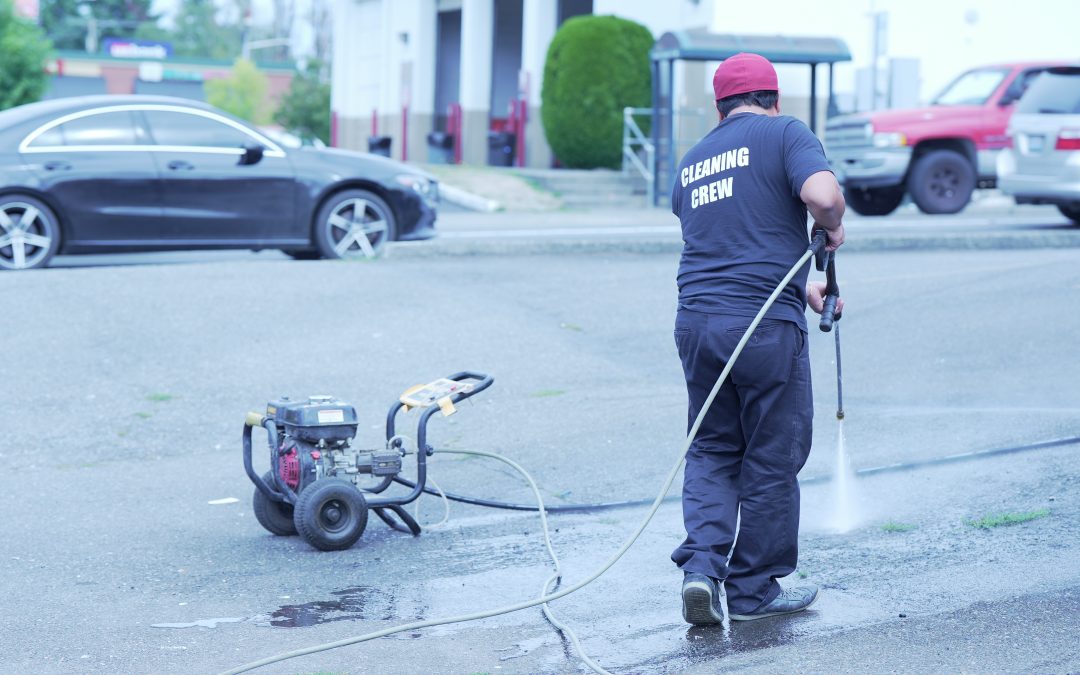
Keeping the exterior of a building clean is crucial not just for aesthetics, but for longevity and property value. Over time, surfaces like siding, roofs, patios, and decks accumulate dirt, algae, mold, and other contaminants that can cause discoloration, degradation, and even structural issues if left unchecked. While traditional pressure washing has been the go-to method for years, a newer, gentler solution is gaining popularity: Soft Washing.
This cleaning method is transforming how residential and commercial properties are maintained. Instead of relying on high-pressure water, which can sometimes cause damage, soft washing uses a low-pressure system combined with specially formulated cleaning solutions. The result is a safe, effective, and long-lasting clean that’s suitable for even the most delicate surfaces.
In this in-depth guide, we’ll explore what soft washing is, how it works, its benefits over pressure washing, and why it’s become the preferred option for savvy property owners and maintenance professionals.
Understanding the Basics: What is Soft Washing
At its core, Soft Washing is a cleaning method designed to treat and remove organic stains, mold, mildew, algae, and dirt using water-based, biodegradable chemicals applied with low-pressure equipment. These solutions break down grime at a molecular level, killing and removing the root causes of staining—especially those caused by living organisms like algae.
The key distinction between soft washing and pressure washing is the use of low pressure. While pressure washing relies on force to blast away contaminants, soft washing targets the root problem with chemical solutions, minimizing the risk of surface damage.
The Science Behind Soft Washing
The process typically includes three main components:
- Water-Based, Eco-Friendly Chemicals – These are mixed to the right concentration to clean a specific type of surface or stain. They disinfect and penetrate the organic matter without harming plants, pets, or humans when applied responsibly.
- Low-Pressure Delivery System – Special pumps and nozzles apply the cleaning mixture gently, unlike pressure washers that can exceed 3000 PSI.
- Dwell Time and Rinse – After applying the solution, it is allowed to sit for a set time to break down and kill unwanted growths. Then it’s gently rinsed away, often using plain water under very low pressure.
This system ensures a more complete clean without damaging siding, shingles, stucco, painted surfaces, or other delicate materials.
Common Surfaces Cleaned by Soft Washing
Not all outdoor surfaces are created equal. Many building exteriors cannot withstand the power of high-pressure washing, which makes Soft Washing ideal for a wide range of surfaces:
- Roof shingles (especially asphalt)
- Vinyl siding
- Stucco and EIFS
- Wooden decks and fences
- Painted surfaces
- Cedar shake roofing
- Windows and skylights
Each of these surfaces can be compromised by aggressive pressure washing. With soft washing, they’re cleaned thoroughly without the risk of cracks, chips, or premature aging.
The Benefits of Soft Washing
1. Preserves the Integrity of Surfaces
High-pressure cleaning can erode shingles, dent aluminum siding, peel paint, or force water under the surface, leading to water damage. Soft washing’s low-pressure application eliminates these risks while still delivering a deep clean.
2. Kills and Removes Organic Growth
Algae, mold, mildew, and bacteria aren’t just unsightly—they can deteriorate your home’s exterior. Soft washing targets these organisms at their root, effectively disinfecting the area and extending the time between cleanings.
3. Environmentally Responsible
Many soft wash chemicals are biodegradable and safe when used properly. Because the process uses less water and avoids runoff of harmful substances, it’s a greener option compared to pressure washing.
4. Enhances Curb Appeal
A clean, stain-free exterior significantly boosts the visual appeal of a home or commercial building. This can have a direct impact on property value and is especially important when preparing for sale or attracting new tenants.
5. Cost-Effective Maintenance
Because Soft Washing provides a longer-lasting clean by eliminating the source of the grime, it can reduce the need for frequent cleanings—saving money over time.
Safety First: Is Soft Washing Safe?
Yes, when done correctly, soft washing is very safe. The equipment and solutions are designed for delicate surfaces, and professional applicators are trained to apply the right concentration of chemicals. However, it’s essential that homeowners and businesses use experienced and reputable providers who understand proper chemical handling and safety procedures.
Always ensure that:
- Landscaping and plants are protected before application
- Proper personal protective equipment (PPE) is used
- Runoff is controlled and managed responsibly
DIY or Hire a Pro?
While soft washing equipment is available for rental or purchase, many homeowners opt to hire professionals—and for good reason. Improper handling of cleaning solutions or technique can damage property or pose health risks.
Professional soft washers:
- Have experience mixing and applying solutions safely
- Know which surfaces require which techniques
- Carry liability insurance
- Use commercial-grade, eco-friendly products
If you decide to attempt DIY soft washing, be sure to read all labels, wear protective gear, and never apply harsh chemicals near pets, children, or sensitive landscaping.
Soft Washing for Commercial Properties
Businesses, apartment complexes, and retail centers often have a higher demand for exterior cleanliness. First impressions matter to customers, clients, and tenants. Regular maintenance using Soft Washing helps prevent:
- Roof and façade stains
- Mold growth on walkways
- Graffiti or pollution buildup
- Streaked windows and dirty signage
Scheduling regular soft wash treatments as part of a commercial maintenance plan ensures consistent curb appeal and fewer costly repairs in the future.
How Often Should You Soft Wash?
The frequency of soft washing depends on your location, climate, and the amount of organic growth present. In humid, shaded areas, algae and mold can grow rapidly and may require cleaning once a year. In drier, sunnier regions, you might only need a wash every 2–3 years.
As a general guideline:
- Roofs: Every 3–5 years
- Siding: Every 1–2 years
- Fences and decks: Annually or as needed
- Gutters and fascia: Annually
Regular inspections can help determine the best maintenance schedule for your specific situation.
Final Thoughts
Soft Washing is more than just a cleaning technique—it’s a preservation strategy for your home or building. It combines safety, effectiveness, and environmental responsibility to deliver long-lasting results without the risk of surface damage.
By targeting the root cause of exterior staining and using a gentle touch, this method not only restores beauty but also protects the materials that make up your property’s shell. Whether you’re maintaining a family home, an apartment building, or a commercial office, soft washing provides a smarter, safer approach to exterior maintenance.
For those seeking a thorough, lasting clean that protects your investment and enhances your property’s curb appeal, Soft Washing stands out as the clear choice.