

Glycolic acid has become one of the leading ingredients in the modern skincare industry. It is also considered as a powerhouse exfoliant, which provides smoother, brighter and healthier-looking skin when done properly. Have you ever wondered the nature of glycolic acid, how it functions, and why it is the ingredient of the most prominent skincare brands? This guide will take you through all the information you need to know.
Powerful Alpha-Hydroxy Acid (AHA)
This is a form of alpha-hydroxy acid (AHA), a family of naturally occurring exfoliating acids, which also contain lactic, citric and malic acids. The specialty is that it has a small molecule size, hence, it enters the skin deeper than other AHAs.
Natural Sources
It is naturally present in sugarcane, fruits and beetroot and it is commonly applied in skincare, such as cleansers, toners, serums and professional chemical peels. It is also versatile and can be used on a variety of skin issues, such as dullness or acne.
Important Skin Care Benefits of Glycolic Acid
Gentle, but Effective Exfoliation
Rather than using harsh scrubs, it can be used as a chemical exfoliant to dissolve the bonds which hold the dead skin cells on the surface. This aids in bringing out a smoother and more radiant complexion without ruining the skin barrier.
Boosts Skin Hydration
This is a humectant, which attracts and traps moisture. It activates such molecules as glycosaminoglycans which have a good effect of retaining water, and leave skin plump and hydrated.
Lightens Skin and erases sunburns
Frequent use will fade dark spots, hyperpigmentation and sun damage. It enhances irregular complexion and blushes out photoaging indications like wrinkles and dullness.
Helps With Acne & Congestion
Glycolic acid prevents the development of blackheads, whiteheads, and comedonal acne by unclogging the pores and minimizing the amount of excess oil collected there. It also enhances the overall skin clarity on a regular basis.
Anti-Aging Properties
It has one of the most prized advantages being that it is known to stimulate collagen production. The result of this is hardening of the skin, reduction in fine lines and enhancement of the skin elasticity as time goes.
How to Safely Use Glycolic Acid in Your Routine
Using it correctly is essential for maximizing benefits without irritation. Here’s a simple guide:
| Step |
What to Do |
Tips & Cautions |
|
1. Start low |
Begin with mild concentrations (5–10%) in toners or cleansers. |
Always patch test before full application. |
|
2. Control frequency |
Use 1–2 times per week initially. |
Gradually increase if your skin tolerates it. |
|
3. Hydrate after use |
Apply a nourishing moisturizer. |
Look for ceramides, aloe, or hyaluronic acid to repair the barrier. |
|
4. Prioritize SPF |
Always wear sunscreen (SPF 30+) daily. |
Increases sun sensitivity. |
| 5. Professional care | Reserve high-strength peels for dermatologists. |
Avoid DIY with strong acids to prevent burns. |
When Choosing a Glycolic Acid Product
- Concentration & pH: To reduce irritation, beginners need to use lower concentrations (510 per cent).
- Format: Cleaners and toners are less harsh, whereas serums and peels have greater effects.
- Complementary Ingredients: it is moderated by other hydrating ingredients such as hyaluronic acid or calming extracts such as aloe.
- Skin Care: Address dark spots, fine lines or acne with formulas that will work with your needs.
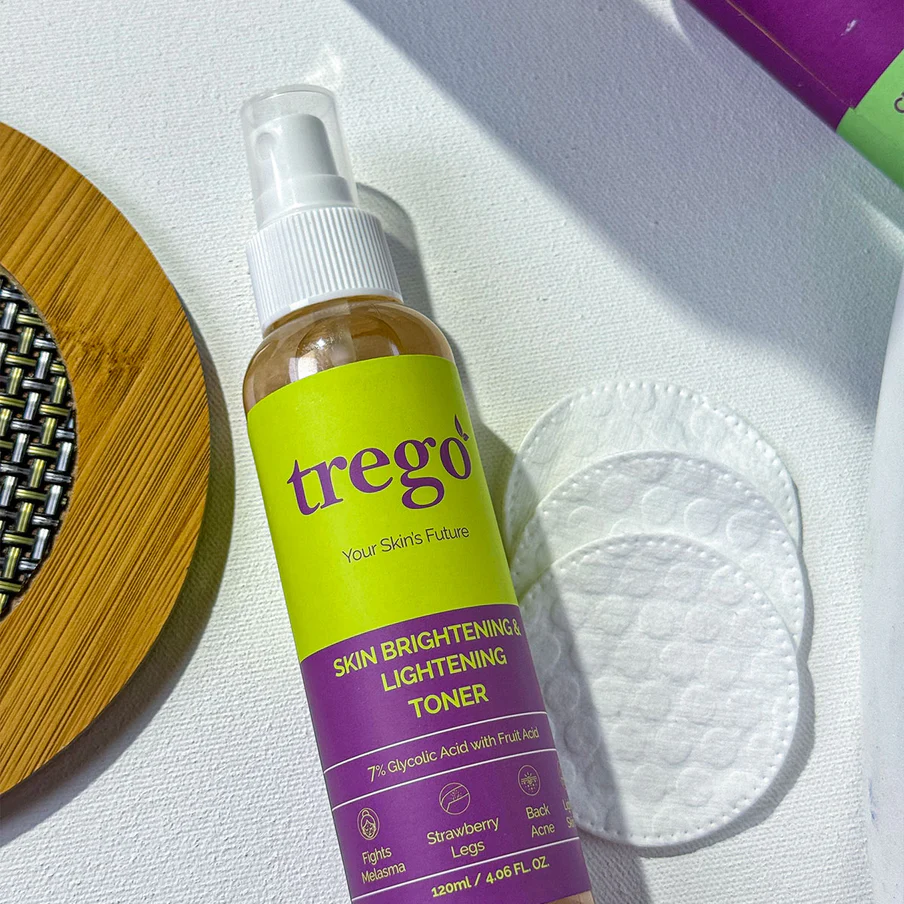
Skin Brightening & Lightening Toner is a highly balanced glycolic acid toner that is intended to exfoliate the skin in a gentle manner enhancing skin tone and radiance, to the point where this toner is an excellent introduction to the beginner and regular user.
Final Thoughts
Glycolic acid is not just a skincare trend, it is a clinically proven ingredient that will change skin when used appropriately. With consistent use, it can:
- Smooth rough texture
- Brighten dull, uneven skin
- Reduce acne breakouts
- Boost hydration
- Dark spots and aging fade away.