

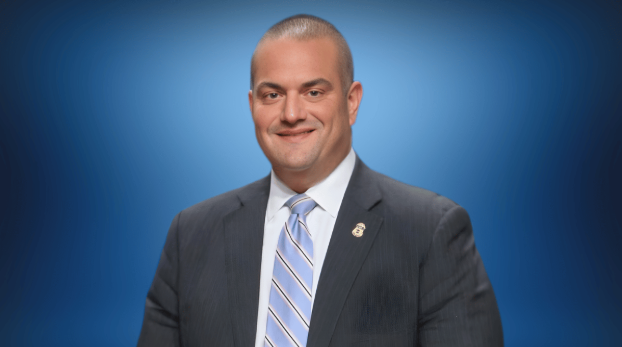
As mass casualty events become a central concern for hospitals and emergency agencies across the United States, one name repeatedly surfacing in policy discussions and preparedness efforts is Dr. Alexander Eastman. With a career that blends trauma surgery, law enforcement experience, and operational leadership, Dr. Eastman has become a familiar figure in conversations about how to improve immediate trauma care before victims reach an operating room.
His work seamlessly integrates clinical medicine, public safety operations, and national preparedness programs, making his involvement in the development of the Hartford Consensus a logical next step. The initiative, created to address preventable deaths during active shooter and mass casualty incidents, reflects several themes present throughout Dr. Eastman’s career. This news report reviews how he entered the Hartford Consensus, the experience he brought to the table, and the influence his work continues to have on preparedness strategies nationwide.
Career Path That Positioned Dr. Alexander Eastman for National Preparedness Leadership
Dr. Eastman began shaping his career at Parkland Memorial Hospital in Dallas, Texas, a major trauma center known for managing a high volume of critically injured patients. During this period, he gained exposure to a broad range of injuries and complex resuscitation scenarios. His training included both surgical critical care and emergency medical services, giving him a comprehensive view of trauma systems and the operational challenges that arise at every stage of care.
One decision proved particularly significant for his later contributions: Dr. Eastman chose to become a police officer. While serving in the Dallas Police Department, he held tactical and medical leadership positions. These experiences gave him a direct understanding of how injuries occur in the field, how first-response agencies provide early care, and where disconnects exist between on-scene care and hospital-based interventions.
The combination of trauma experience, critical care training and frontline law enforcement work provided Dr. Eastman with a rare dual perspective. This background became a foundation for his future involvement in national preparedness initiatives.
Entry Into the Hartford Consensus Discussions
By the time experts convened to address concerns surrounding active shooter and mass casualty incidents, Dr. Eastman had already participated in research and presentations focused on hemorrhage control, tactical medical support and prehospital trauma care. He had been involved in studies examining law enforcement injury patterns, early bleeding control and coordinated responses among first response agencies.
These experiences made Dr. Alexander Eastman one of the few professionals with both clinical and field expertise relevant to the mission of the Hartford Consensus. When discussions began, his input reflected firsthand knowledge from trauma centers and operational environments.
During the initial meetings, Dr. Eastman contributed insight on two major themes that became central to the Consensus: the importance of early bleeding control and the need for improved coordination between law enforcement and medical providers. Both were issues he had encountered directly in Dallas.
Expanding Role as the Hartford Consensus Evolved
As the Hartford Consensus produced additional reports and recommendations, Dr. Eastman continued to play an active role. His involvement included speaking at national conferences, briefing public safety leaders and presenting Consensus principles to clinicians, policymakers and emergency response agencies.
At the same time, Dr. Eastman’s broader professional duties continued. He practiced clinically, supported tactical operations, taught in academic settings and held leadership roles in operational medicine and emergency preparedness. These activities allowed him to apply Hartford Consensus recommendations in real world settings and bring practical insights back into national discussions.
Growing Emphasis on Hemorrhage Control and Public Readiness
One of the most visible nationwide shifts associated with the Hartford Consensus has been the emphasis on immediate bleeding control. The recommendation that civilians learn basic hemorrhage control skills led to rapid expansion of public training programs and contributed to the creation of the Stop the Bleed initiative.
Dr. Alexander Eastman has participated in educational efforts on bleeding control and continues to emphasize the importance of rapid intervention at the point of injury. His work helped raise awareness of how early action can improve survivability in traumatic events. It also contributed to changes in how organizations stock and deploy medical equipment, such as tourniquets and bleeding-control kits.
Ongoing Influence in National Preparedness
Dr. Alexander Eastman currently serves in federal operational medicine and homeland security programs, where he applies lessons drawn from years of trauma care and law enforcement experience to national-level planning.
The Hartford Consensus remains a notable part of his career. It represents the intersection of his clinical background, tactical experience and operational leadership during a period when national guidance was urgently needed. His involvement shaped recommendations that many agencies still rely on today when developing strategies to respond to mass casualty events.