

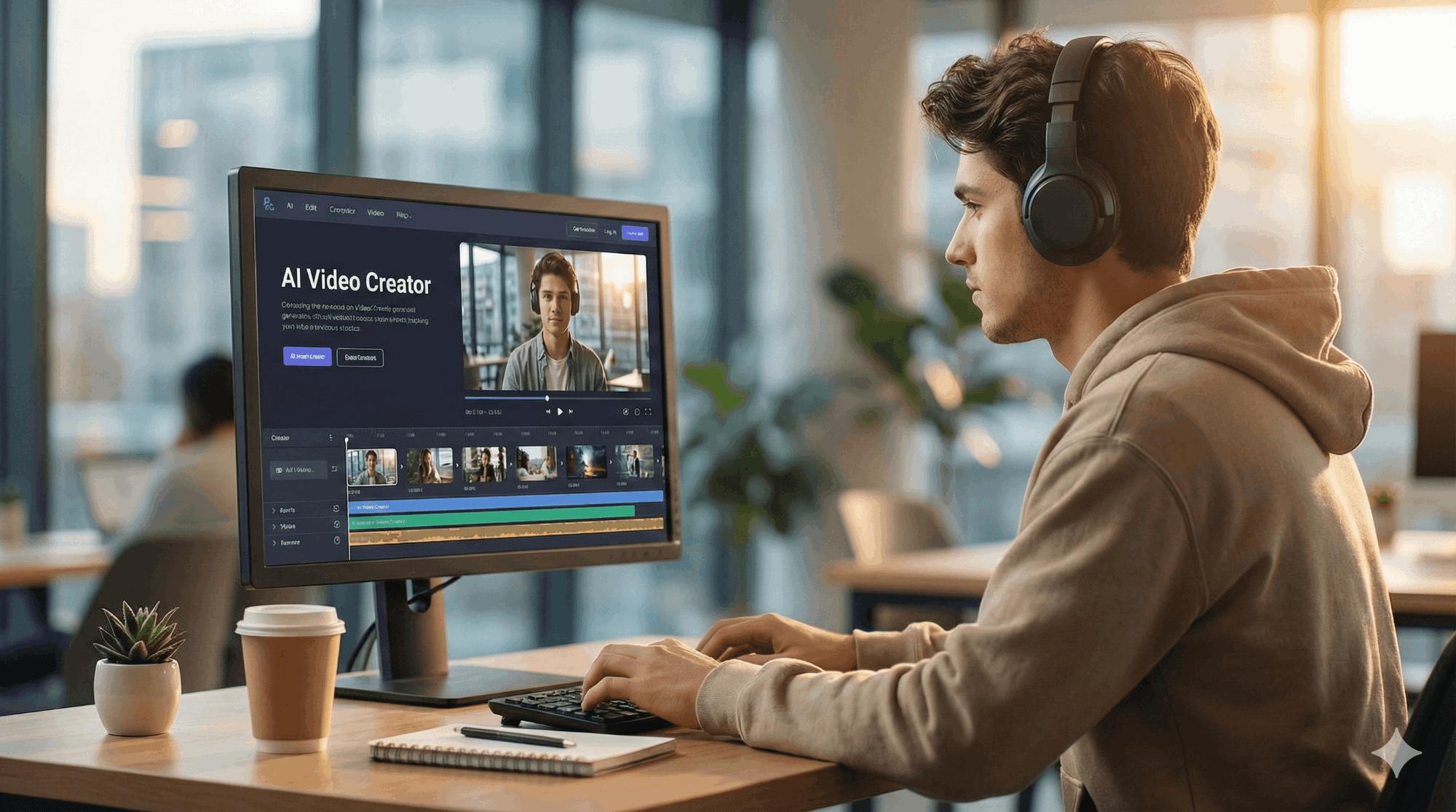
Video has become one of the most important formats for online communication. People use videos to explain products, promote brands, share ideas, teach lessons, and tell stories. A short video can often capture attention faster than a long article or a static image because it combines movement, visual style, emotion, and pacing.
The challenge is that video creation has traditionally required time and skill. Even a simple promotional clip may involve writing a script, preparing visuals, editing footage, adding motion, adjusting timing, and exporting the final version. For creators, marketers, small businesses, and startup teams, this process can become difficult to repeat consistently.
This is why AI video tools are becoming increasingly useful. Platforms such as KillingAI are part of a broader shift toward faster and more accessible video creation. Instead of starting every project with a full production workflow, users can begin with a prompt, an image, or a creative idea and turn it into a short video more efficiently.
Why AI Video Generation Is Growing
The demand for video content keeps increasing. Social media platforms favor short videos, ecommerce brands need product clips, and marketers need multiple creative variations for ads and campaigns. Websites also use videos to explain products, introduce services, and make pages feel more engaging.
For many people, the problem is not a lack of ideas. A creator may know exactly what kind of clip they want. A business may already have product photos or brand visuals. A marketer may have several campaign concepts ready. The difficult part is turning those ideas into finished video content quickly.
A killing ai video generator workflow helps reduce that friction. It allows users to create video drafts, test visual ideas, and generate short clips without needing to build everything manually from scratch. This makes video creation more practical for people who need content often but do not always have access to professional production resources.
Turning Prompts Into Video Concepts
One of the most useful parts of AI video generation is the ability to start with a written idea. A user can describe a scene, style, mood, subject, or action, and the AI can help turn that direction into a visual clip.
This changes the creative process. Instead of needing footage first, users can begin with imagination. A marketer can describe a product scene. A creator can describe a cinematic moment. A business owner can describe a short promotional concept. The AI then helps create a first version that can be reviewed and refined.
This is valuable because the first draft is often the hardest step. Once users have something visual to look at, they can decide what works, what feels wrong, and what should be improved. AI video generation makes that first step faster.
Turning Images Into Motion
Another important use case is image-to-video creation. Many creators and businesses already have strong images, such as product photos, portraits, illustrations, campaign graphics, or brand visuals. These images may work well as static assets, but they can become more engaging when motion is added.
An AI video generator can help turn these still images into short motion clips. A product photo can gain a subtle camera move. A portrait can feel more cinematic. A concept image can become the opening of a visual story. A brand graphic can become a more dynamic social media asset.
This is especially useful for small teams. They do not need to create new footage every time. Instead, they can reuse existing visuals and adapt them for platforms where video performs better.
Why Creators Benefit From AI Video Tools
Creators often need to publish content regularly. Consistency matters, but producing videos again and again can be exhausting. AI video tools give creators a faster way to build visual assets, test ideas, and support their content with motion.
A storyteller can create mood-based clips. An educator can generate visual examples for lessons. A social media creator can turn static images into short videos. A designer or artist can bring concept visuals to life. These workflows help creators produce more without spending all their time on manual editing.
The goal is not to replace the creator’s voice. The creator still provides the idea, message, style, and judgment. AI simply helps with execution, making it easier to move from concept to content.
Why Marketers Use AI Video Generation
Marketing often depends on testing. A team may need several versions of a video ad, social post, product teaser, or landing page visual. One version may perform better because the opening is clearer. Another may work because the visual style feels more polished. A third may connect better with a specific audience.
Traditional video testing can be expensive because every new version requires more editing or production work. AI video generation makes experimentation easier. Marketers can create multiple visual directions, compare them, and choose the strongest version before investing more time.
This is especially useful for paid ads and social media campaigns. Online attention moves quickly, and small differences in motion, composition, or mood can affect performance. AI gives teams more room to test these differences.
How Small Businesses Can Use AI Video
Small businesses often need video content but do not have large creative teams. They may need product clips, service explainers, promotional videos, website visuals, and social media posts. Creating all of this manually can be unrealistic.
AI video tools give small businesses a more accessible workflow. A local business can create a short promotional clip. An online seller can turn product images into motion content. A startup can test video ideas for a landing page. A freelancer can create visual assets for a personal brand.
This helps small teams look more active and professional online. It also allows them to respond faster to campaigns, product updates, seasonal promotions, and content trends.
Human Direction Still Matters
AI video generators are powerful, but they still need human direction. A good video should have a clear purpose. It should support the message, match the audience, and fit the platform where it will be used.
Users should think carefully about what they want the video to do. Is it meant to explain something? Sell a product? Create emotion? Introduce a brand? Support a story? A clearer goal usually leads to a better result.
Human review is also important. AI-generated videos should be checked for smooth motion, subject consistency, natural details, and overall quality. If a video looks distorted or confusing, it should be refined or regenerated. The best workflow combines AI speed with human taste.
What Makes a Good AI Video Workflow
A good AI video workflow should be fast, flexible, and easy to control. Users should be able to start from prompts or images, generate drafts, and refine the output based on their goals. The process should be simple enough for beginners but useful enough for real content work.
Quality matters as much as speed. A video should have stable subjects, clear motion, and a visual style that fits the intended use. If the output feels random, unstable, or off-brand, it may not be useful for public content.
Control is also important. Users should be able to guide the direction through prompts, source images, style choices, and revision. AI works best when it helps users move closer to a specific creative result.
The Future of AI Video Creation
AI video generation is changing how people think about content production. Video is no longer limited to teams with cameras, editing software, and large budgets. More creators, marketers, educators, and small businesses can now explore motion content without facing the same technical barriers.
Professional video production will still matter for complex campaigns and high-end creative work. But for everyday content needs, AI video tools can make production faster and more flexible.
The future of video creation will likely combine human creativity with AI assistance. People will still need ideas, taste, strategy, and judgment. AI will help them move faster, test more options, and turn concepts into motion with less manual work.
In a digital world where video continues to shape attention, AI video generators offer a practical advantage. They help more people create visual content, experiment with ideas, and communicate online in a format that audiences already understand and enjoy.