

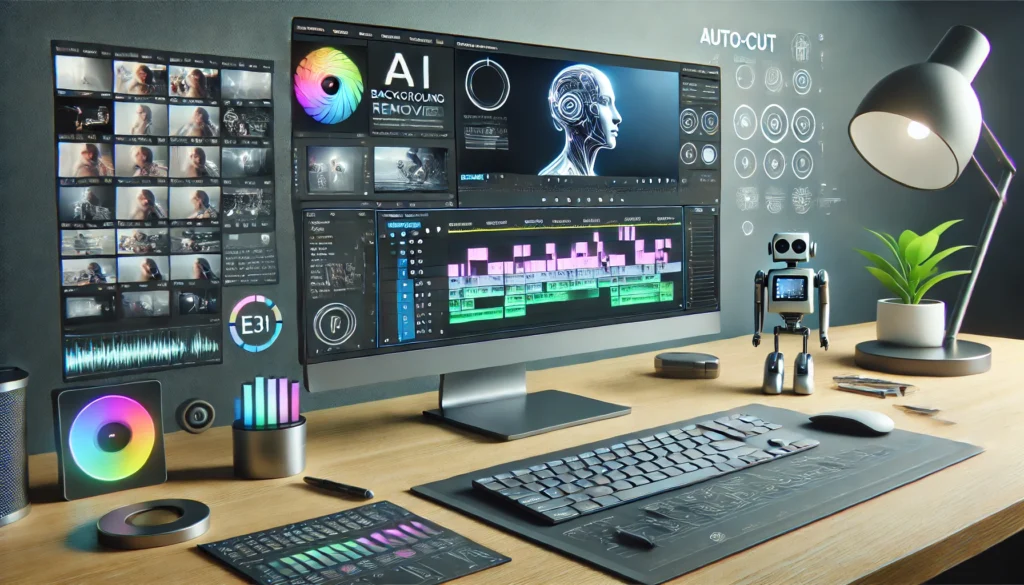
Video has become one of the most important formats for digital communication. Businesses use video to introduce products, creators use it to tell stories, educators use it to explain ideas, and marketers use it to test different messages across social platforms. A short video can often communicate emotion, context, and value faster than a long article or a static image. However, traditional video production is still difficult for many people.
Creating a video usually requires planning, scripting, filming, editing, adding music, adjusting transitions, exporting files, and adapting the final version for different platforms. For large companies with production teams, this process may be normal. But for solo creators, small businesses, startup founders, coaches, ecommerce sellers, and lean marketing teams, it can be too slow and expensive. Many people have strong ideas but do not have the time, equipment, or editing skills to turn those ideas into videos consistently.
This is why AI video tools are becoming more useful. Instead of starting with a camera or a complex editing timeline, users can begin with a simple prompt, an image, a product concept, or a short message. A platform such as video ia helps reduce the distance between having an idea and creating a video draft that can be reviewed, refined, and published.
The main value of AI video generation is speed. A creator can test several visual directions before choosing the best one. A marketer can create different versions of a campaign concept. A small business can turn a product idea into a short visual asset without hiring a full production crew. This does not mean every AI-generated video is perfect on the first try. It means the early creative process becomes faster, more flexible, and easier to repeat.
One common use case is text-to-video creation. A user can describe a scene, product, mood, camera movement, or message in written form, then use AI to generate a visual result. This is especially useful when someone has a clear concept but no existing footage. A short prompt can become the foundation for a product teaser, brand intro, social video, explainer clip, or creative test. For teams that need frequent video content, this workflow can save a lot of time.
Another useful workflow is image-to-video generation. Many brands and creators already have product photos, portraits, graphics, illustrations, screenshots, or campaign visuals. These assets are valuable, but they often remain static. AI video tools can help turn those still visuals into short motion-based content. A product photo can become a promotional clip. A portrait can become a cinematic visual. A graphic can become part of an explainer video. This allows users to get more value from images they already own.
For ecommerce teams, the ability to generate ai video from existing product assets can be especially practical. Product pages and social ads often need fresh visuals, but filming new videos for every product is not always realistic. AI can help create short product videos, visual hooks, and creative variations from still images or simple prompts. This gives smaller teams more room to compete with brands that have larger production budgets.
AI video generation is also useful for social media. Short-form platforms reward content that captures attention quickly. A still image may be easy to scroll past, while a short video can create a stronger first impression. Creators can use AI-generated clips for posts, reels, shorts, stories, ads, newsletters, or website sections. The same idea can be adapted into different formats depending on where the video will be published.
For educators and coaches, AI video tools can help explain ideas more clearly. A short lesson, checklist, framework, or concept can become a simple visual video. Instead of only sharing long text instructions, educators can create quick clips that guide attention and make information easier to understand. This can be helpful for online courses, tutorials, internal training, and public educational content.
However, AI video tools still require human judgment. A strong result usually starts with a clear idea. Users need to think about the target audience, message, style, platform, and purpose of the video. A vague prompt may produce a vague result. A cluttered image may not become a clean video. A business video may need a different tone from a creator-focused social clip. AI can speed up production, but creative direction still matters.
It is also important to review AI-generated videos carefully before publishing. Users should check whether the motion feels natural, whether the visual style matches the brand, whether the message is clear, and whether the final output is appropriate for the intended audience. AI can help create drafts quickly, but quality control remains part of the process.
The strongest use of AI video generation is not to replace creativity. It is to support it. AI tools help people explore ideas faster, reuse existing assets, test different visual styles, and produce more content without always starting from zero. For many creators and businesses, this makes video creation less intimidating and more practical.
As digital platforms continue to favor video, the ability to create motion content quickly will become more important. AI video tools give more people access to a format that once required specialized skills and larger budgets. Whether someone is building a product campaign, creating social content, explaining an idea, or testing a new visual concept, AI can make the path from idea to video much shorter.