

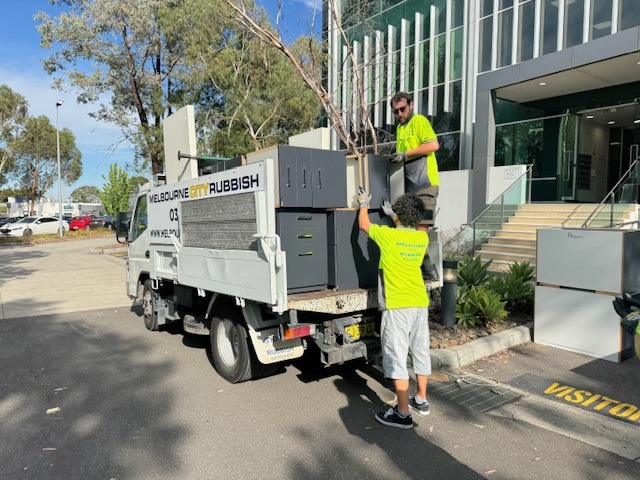
Professional Rubbish Removal Melbourne services can provide a practical way to clear unwanted items when regular household or commercial bins are not enough. Old furniture, broken appliances, renovation debris, garden waste, packaging, and general clutter can quickly occupy valuable space and become difficult to transport. A planned collection can reduce the physical work involved in lifting and moving bulky materials while helping property owners restore order to homes, offices, rental properties, and other spaces.
Why Unwanted Items Accumulate Over Time
Clutter rarely appears all at once. It often builds gradually as people store furniture they may use again, keep broken appliances for future repair, or place unwanted belongings in garages and sheds. Over time, these spaces can become so full that finding or accessing useful items becomes difficult.
Major life events can create larger amounts of waste within a short period. Moving house, downsizing, renovating, clearing an estate, or preparing a property for sale may involve sorting through years of accumulated belongings. Standard council bins are generally unsuitable for large volumes or oversized objects, making another removal option necessary.
Commercial properties can face similar challenges. Offices may need to dispose of outdated furniture, while retail and hospitality premises can accumulate packaging, fixtures, shelving, and damaged equipment. Removing these materials promptly can make work areas easier to use.
Reclaiming Valuable Space Around the Property
Unwanted items can prevent rooms and storage areas from serving a useful purpose. A garage filled with boxes and damaged furniture may no longer have space for a vehicle, while an overcrowded spare room can become difficult to clean or use.
Removing unnecessary belongings creates an opportunity to reorganise the property. Storage areas can be arranged more effectively, rooms can be returned to their intended purpose, and frequently used items can become easier to access. The result is often a property that feels more manageable.
Sorting before collection can make the process more efficient. Items can be separated into groups for keeping, selling, donating, recycling, or disposal. This reduces the chance of useful belongings being discarded and helps identify the actual volume of waste that needs to be removed.
Managing Waste During Home Renovations
Renovations can produce waste at almost every stage. Old cabinets, flooring, fixtures, timber, packaging, and other debris may accumulate quickly as work progresses. Leaving these materials in work areas can restrict movement and make the property harder to manage.
Regular clearance can help keep renovation areas more organised. It can also make it easier for tradespeople and property owners to access the areas where work is continuing. However, the type of waste should always be considered before arranging collection.
Some renovation materials require specialised handling and cannot be treated as general rubbish. Property owners should clearly describe the materials involved before booking a service. Accurate information helps determine whether the waste can be collected and what disposal arrangements may be required.
Removing Bulky Items With Less Difficulty
Large household objects can be challenging to move without suitable help. Sofas, mattresses, wardrobes, tables, whitegoods, and other heavy items may be difficult to carry through narrow doors, stairways, apartment corridors, or lifts.
Poor lifting techniques can cause injury, while dragging objects can damage floors, walls, and door frames. Planning the removal route before moving anything can reduce these risks. Access points should be cleared, and smaller obstacles should be moved out of the way.
Professional collection can be particularly useful when several bulky items need to be removed at once. Property owners should mention difficult access, stairs, parking restrictions, or unusually heavy objects in advance so the job can be planned appropriately.
Clearing Rental and Vacant Properties
Rental properties sometimes require substantial clearing between occupants. Furniture, household items, damaged belongings, and general waste may be left behind, delaying cleaning, repairs, or preparation for the next tenant.
A prompt clearance can help property managers and owners move to the next stage more efficiently. Once unwanted material is removed, the property can be inspected more thoroughly, and any maintenance requirements can be identified.
Vacant homes being prepared for sale may also benefit from clearing. Removing unnecessary items can make rooms appear more spacious and allow potential buyers to view the property without being distracted by clutter. Outdoor areas, sheds, and garages should be considered as part of the overall process.
Considering Recycling and Reuse Opportunities
Not everything being removed is necessarily waste. Furniture in usable condition, working appliances, household goods, and other items may be suitable for donation or reuse. Certain materials may also be accepted by recycling facilities.
Separating items before collection can help identify these opportunities. Metals, cardboard, and some electronic products may require different disposal pathways from general waste. Responsible sorting can reduce the amount of material unnecessarily sent to landfill.
Certain substances should never be mixed with ordinary rubbish. Chemicals, asbestos-containing materials, hazardous waste, and some specialist products may require regulated handling. Property owners should identify these materials early and arrange an appropriate service rather than placing them with general items.
Effective rubbish removal can support a cleaner, more functional property by addressing waste that is too bulky or extensive for ordinary bins. With careful sorting, safe handling, appropriate disposal, and clear preparation, homes and businesses can reclaim useful space and manage unwanted materials more efficiently.