

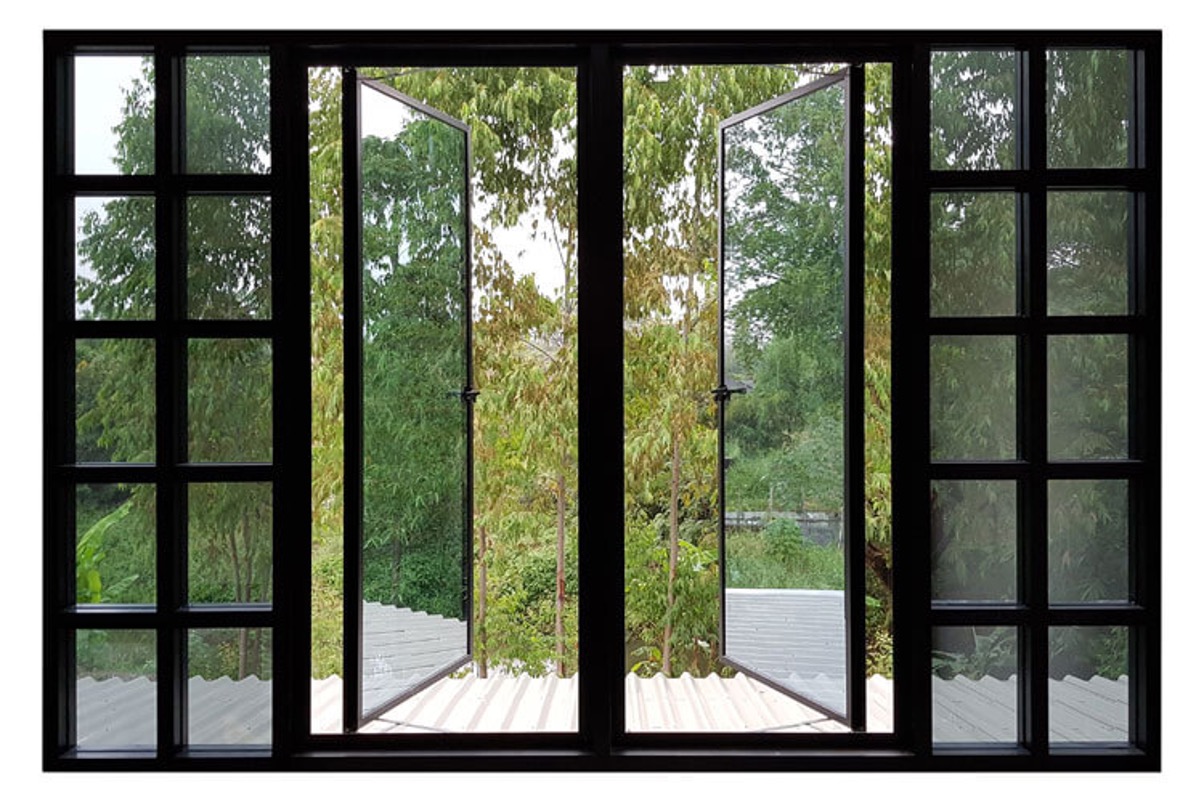
In modern construction, choosing the right materials is essential for ensuring the longevity and durability of a building. Aluminum frames, or 鋁架, have emerged as a preferred choice for architects, builders, and homeowners alike because of their exceptional lifespan, minimal maintenance requirements, and versatility. Unlike traditional materials such as wood or steel, aluminum offers a perfect balance of strength, lightweight properties, and resistance to environmental challenges.
Durability Through Corrosion Resistance
One of the main reasons aluminum frames enhance longevity is their natural resistance to corrosion. When exposed to moisture, aluminum forms a thin oxide layer that protects it from rust and deterioration. This means that 鋁架 can withstand years of exposure to rain, humidity, and coastal conditions without compromising structural integrity.
In contrast, steel requires protective coatings or galvanization to avoid rust, and wood can warp, rot, or be damaged by insects. By choosing aluminum frames, buildings benefit from a material that inherently resists decay, reducing the need for frequent repairs or replacements.
Minimal Maintenance Requirements
Aluminum frames are extremely low-maintenance compared to other construction materials. They do not need regular painting, sealing, or chemical treatments to maintain performance. A simple cleaning routine, often using water and mild detergent, is sufficient to preserve their aesthetic appeal and structural functionality.
This low-maintenance characteristic of 鋁架 translates into long-term savings for property owners and facility managers. Over the lifecycle of a building, reduced upkeep not only lowers operational costs but also minimizes labor and material expenses associated with maintenance.
Strength and Structural Integrity
Despite being lightweight, aluminum frames offer impressive strength and stability. They can support large glass panels, expansive doors, and even structural partitions without bending or warping. This strength ensures that 鋁架 maintains its shape and function over decades, contributing to the overall durability of the building.
The stability of aluminum frames is particularly beneficial in high-traffic areas, industrial settings, or buildings exposed to extreme weather conditions. The material’s resilience ensures that structures remain safe and functional for many years.
Energy Efficiency and Longevity
Modern aluminum frames often feature thermal breaks — insulating barriers within the frame that prevent heat transfer. By minimizing energy loss, these frames help maintain consistent indoor temperatures, reduce heating and cooling costs, and improve the overall efficiency of the building.
Using energy-efficient 鋁架 not only extends the life of HVAC systems but also enhances occupant comfort and reduces operational expenses. Over time, this contributes to the long-term sustainability of the building.
Versatile Design with Long-Term Benefits
Aluminum frames are highly versatile and can be customized to fit different architectural styles and functional requirements. Powder coating, anodizing, and color finishes allow for a modern and visually appealing design that does not compromise durability.
鋁架 also supports large window designs and open-plan concepts, enabling natural light while maintaining strength. Unlike wood frames, which can swell or shrink over time, aluminum maintains its dimensions, reducing the likelihood of cracks, gaps, or operational issues.
Applications Across Residential and Commercial Projects
Aluminum frames improve longevity and reduce maintenance in various applications:
- Residential: Windows, sliding doors, and balcony railings benefit from corrosion resistance and long-term stability.
- Commercial: Curtain walls, office partitions, and storefronts experience lower maintenance costs and consistent performance.
- Industrial: Workstations, modular systems, and machinery frameworks maintain durability even in demanding environments.
Across all sectors, 鋁架 provides a reliable solution that enhances building performance and reduces lifecycle costs.
Sustainability and Long-Term Value
Aluminum is fully recyclable, making it an environmentally responsible building material. Using recycled aluminum for frames reduces energy consumption and carbon emissions compared to producing new materials. Choosing 鋁架 not only ensures durability and low maintenance but also aligns with modern green building standards and sustainability goals.
Conclusion
Aluminum frames significantly improve the longevity of buildings while minimizing maintenance requirements. Their corrosion resistance, structural strength, energy efficiency, and versatility make 鋁架 a superior choice for residential, commercial, and industrial construction projects.
Investing in high-quality aluminum frames ensures long-term durability, reduces operational costs, and provides a sleek, modern aesthetic that can withstand the test of time. For architects, builders, and property owners seeking materials that combine performance with sustainability, aluminum frames are the ideal solution.