

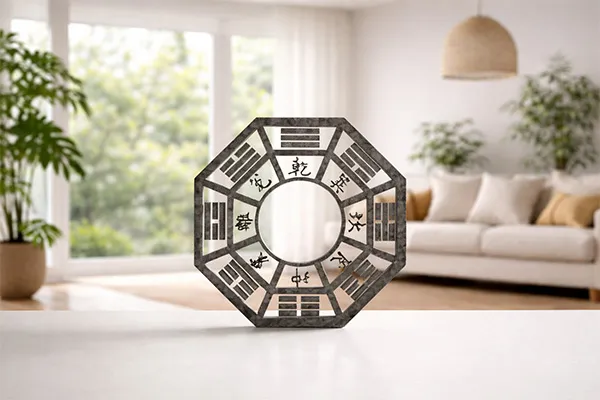
Many people spend significant time improving their homes through interior design, organization, and decoration. However, beyond aesthetics, there is another approach that has influenced living environments for thousands of years: Feng Shui.
Originating in ancient China, Feng Shui is often described as the art of harmonizing people with their surroundings. While interpretations and practices vary, the central idea remains consistent—our environment can influence how we think, feel, and interact with the world.
Today, Feng Shui continues to attract people seeking greater balance, mindfulness, and intentional living. Whether someone fully embraces traditional principles or simply appreciates the philosophy behind them, many of its concepts offer practical insights for creating a more peaceful home.
Understanding the Core Principles of Feng Shui
At its foundation, Feng Shui focuses on the flow of energy, commonly referred to as “Qi” or “Chi.” According to traditional teachings, energy moves through our homes and workplaces much like water flows through a landscape.
When energy becomes blocked, stagnant, or chaotic, it may contribute to feelings of stress, distraction, or discomfort. Conversely, a well-organized and balanced environment is believed to encourage clarity, productivity, and emotional well-being.
Although modern lifestyles differ greatly from ancient times, the underlying principles remain surprisingly relevant. Most people naturally feel more relaxed in spaces that are clean, organized, and thoughtfully arranged.
This connection between physical surroundings and mental state is one reason Feng Shui continues to resonate with contemporary audiences.
The Importance of Intentional Spaces
One of the most valuable lessons Feng Shui teaches is the importance of intentionality.
Many homes gradually accumulate clutter, unused belongings, and distractions. Over time, these elements can make a space feel crowded and overwhelming.
Creating an intentional environment does not necessarily require expensive renovations. Small adjustments often make a significant difference:
- Removing unnecessary clutter
- Improving natural lighting
- Adding plants
- Organizing frequently used areas
- Incorporating meaningful decorative elements
These changes encourage a sense of calm and purpose that supports daily well-being.
Symbolism and Personal Meaning
Throughout history, people have incorporated meaningful symbols into their living spaces. These symbols often represent qualities they hope to cultivate, such as prosperity, wisdom, protection, or harmony.
In Feng Shui traditions, objects are often selected not only for their appearance but also for their symbolic significance. Examples may include:
- Wealth-attracting symbols
- Sacred animals
- Natural stones
- Spiritual artwork
- Protective talismans
The effectiveness of these symbols often lies in their ability to remind individuals of their intentions and personal goals.
Why Natural Stones Remain Popular
Natural gemstones have been valued by civilizations around the world for centuries. Beyond their beauty, many cultures associate specific stones with unique symbolic meanings.
For example:
- Amethyst is often linked to clarity and peace.
- Citrine is commonly associated with abundance.
- Rose Quartz symbolizes love and compassion.
- Black Obsidian is frequently connected to grounding and protection.
Many people choose to wear or display natural stones because they appreciate the symbolism these materials represent. Collections of natural stone bracelets have become particularly popular among those interested in combining personal style with meaningful intention.
Whether viewed through a spiritual lens or simply as beautiful natural materials, gemstones continue to hold a unique place in modern wellness culture.
The Role of Protective Symbols
Protection is a recurring theme in many spiritual traditions.
Across cultures, people have used symbols, prayers, and meaningful objects to create a sense of security and emotional stability. While these practices vary widely, they often share a common purpose: helping individuals feel grounded and resilient during challenging times.
One example is the growing popularity of the Protection Crystal Bracelet. Many individuals are drawn to such jewelry because it serves as a daily reminder of strength, confidence, and personal boundaries.
Regardless of personal beliefs, symbolic objects can have a powerful psychological impact by reinforcing positive intentions and encouraging mindful awareness.
Bringing Mindfulness Into Everyday Life
Perhaps the most practical aspect of Feng Shui is its emphasis on mindfulness.
Rather than focusing exclusively on decoration, Feng Shui encourages people to become more aware of how their environment influences their habits and emotions.
Simple questions can provide valuable insight:
- Does this room support my goals?
- How do I feel when I enter this space?
- Are there unnecessary distractions?
- Does my environment reflect the life I want to create?
By regularly evaluating our surroundings, we can make small improvements that support greater balance and well-being.
Ancient Wisdom for Modern Living
Although Feng Shui originated thousands of years ago, many of its principles align with modern ideas about wellness and intentional living.
Creating a harmonious environment is not about following rigid rules or seeking perfection. Instead, it is about designing spaces that encourage comfort, focus, and emotional balance.
For those interested in exploring spiritual traditions, mindfulness practices, and meaningful handcrafted accessories, Buddha Bodhis offers resources and collections inspired by centuries of Buddhist and Feng Shui wisdom.
Final Thoughts
A harmonious home is about more than appearance. It is a reflection of the values, intentions, and experiences that shape daily life.
Ancient Feng Shui teachings remind us that our surroundings influence how we feel, think, and interact with the world. By making thoughtful choices—whether through organization, meaningful symbols, natural materials, or mindful design—we can create spaces that support both inner peace and personal growth.
In a fast-moving world filled with distractions, cultivating harmony at home may be one of the simplest yet most powerful ways to nurture well-being and reconnect with what truly matters.