

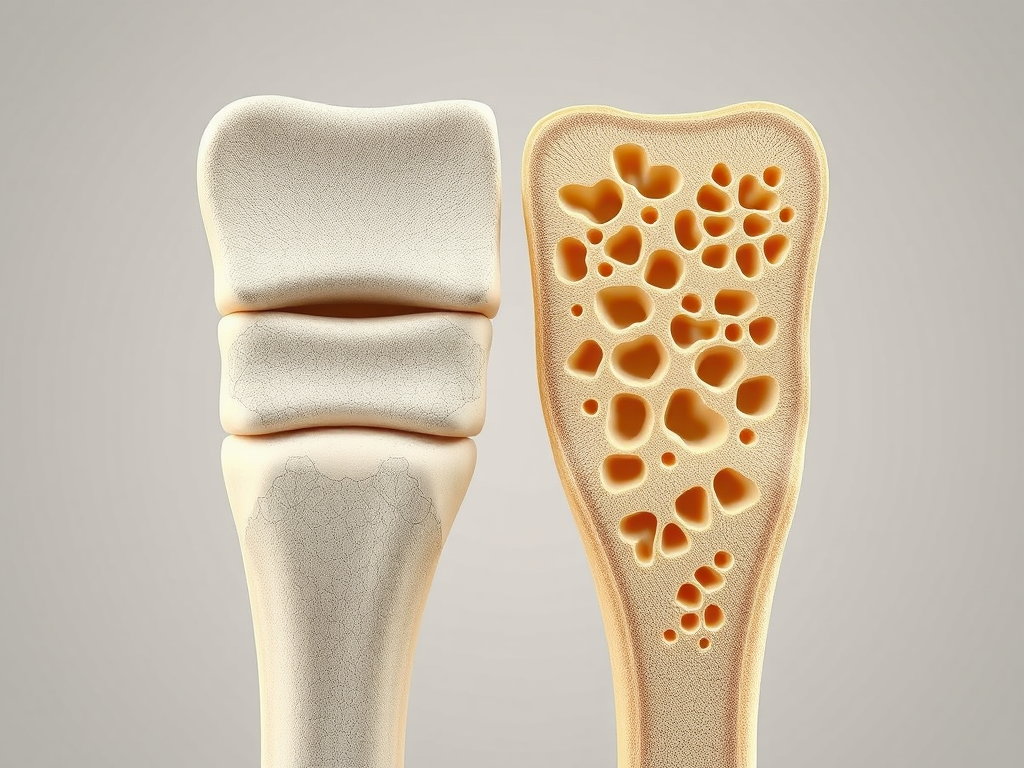
What Bone Density Really Tells You
Bone density is a measure of how much mineral content is present in your bones. It helps indicate how strong your bones are and whether you’re at risk of conditions like osteoporosis. As people get older, bone mass naturally declines, but lifestyle choices and early testing can play a big part in managing that decline.
One way people assess their bone strength is by searching for Dexa scans near me, which provide a clear picture of bone mineral levels. These scans are often quick and painless, offering reliable insight into whether any preventive or medical action is needed.
Lifestyle Factors That Influence Bone Strength
Bone health isn’t just something that deteriorates with age — it’s shaped by everyday habits. Nutrition, exercise, and even sun exposure all contribute to how strong your bones stay throughout life. Calcium and vitamin D are often highlighted for their role in bone health, but protein intake and resistance training are just as valuable.
Smoking, excessive alcohol, and a sedentary lifestyle can all accelerate bone loss. Making conscious changes, like incorporating weight-bearing exercises or improving your diet, can have a noticeable effect over time. These shifts not only help bones but benefit overall physical wellbeing.
Bone Density and Broader Health Implications
Low bone density doesn’t only increase the risk of fractures — it can also limit mobility and independence. A fractured hip, for instance, can lead to long recovery times and even impact other health outcomes due to reduced activity during healing.
Monitoring bone density gives insight into potential issues before they lead to injury. It’s especially useful for those with a family history of osteoporosis, long-term medication use that affects bone health, or certain medical conditions that make bones more fragile. Regular checks can help individuals make informed decisions about their health.
Taking an Active Role in Bone Health
It’s easy to overlook bone health until something goes wrong. But small steps — whether through regular scans, diet improvements, or staying active — can help maintain strength and stability for years to come.
Rather than waiting for problems to arise, many are now turning to preventive screening and better lifestyle habits to protect their bone structure. It’s not about drastic change, but steady, consistent actions that support the body’s foundation over time.