

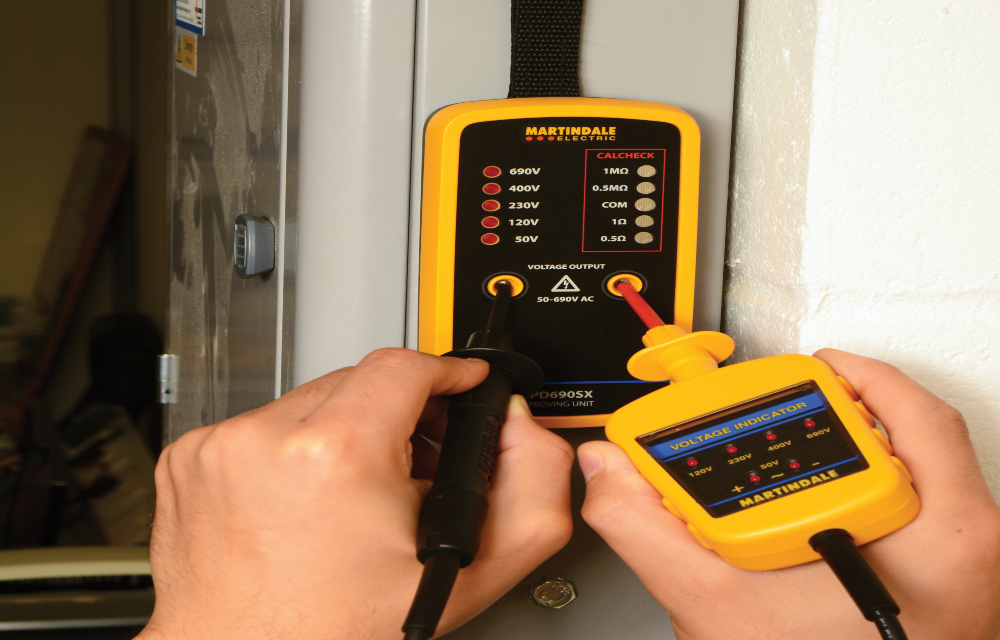
High Voltage Indicator Display plays an important role in modern electrical protection systems. Industrial facilities often operate equipment with dangerous voltage levels. Workers need clear signals before inspection, maintenance, or switching operations. A reliable voltage indication device provides visible status information without requiring direct contact with conductors. This function helps operators recognize energized conditions quickly and reduces risks caused by incorrect assumptions. Power distribution rooms, switchgear systems, and substations rely on accurate voltage status confirmation. Professional electrical management teams use these devices to improve safety procedures and support efficient maintenance activities. Clear visual feedback creates an additional protection layer between workers and high voltage equipment during daily operations.
Why Voltage Status Confirmation Matters in Power Systems
Electrical accidents often occur when personnel misjudge equipment conditions during maintenance tasks. Voltage status confirmation helps prevent unexpected contact with energized components. Industrial power networks contain complex circuits, transformers, and switching devices that require careful operation. A visual indication system allows technicians to verify whether electrical equipment remains active before starting work. This approach supports safer procedures and reduces dependency on manual testing methods alone. Many facilities integrate voltage indicators into medium and high voltage switchgear because these devices provide continuous status visibility. Accurate monitoring also improves communication between maintenance teams and control departments. Reliable confirmation methods create better operational discipline across different electrical environments.
Key Components Behind Reliable Voltage Monitoring Technology
A high performance voltage monitoring solution depends on several essential components working together. The detection module identifies electrical signals from connected circuits and transfers information through a processing unit. Indicator elements then display the voltage condition through visible signals. Some systems use LED technology because it offers long service life and strong brightness performance. Insulation materials also affect reliability because they protect internal components from electrical stress. Housing structures must resist dust, moisture, and industrial conditions to maintain stable operation. Engineers usually consider rated voltage range, response accuracy, and environmental protection when selecting suitable products. These technical factors directly influence safety performance and equipment durability.
How Visual Electrical Signals Reduce Operational Risks
Clear visual signals help operators recognize dangerous conditions before performing electrical tasks. Traditional inspection methods may require additional testing steps, which can increase preparation time. A dedicated indication device provides immediate information about circuit status. Workers can identify energized equipment from a safer distance before opening panels or approaching conductors. This reduces the possibility of accidental operation during maintenance activities. Industrial environments with frequent switching operations especially benefit from visible voltage information. Factories, energy facilities, and infrastructure projects often require fast decision-making under strict safety requirements. A dependable display system supports these needs by providing consistent electrical status communication throughout daily operations.
Technical Features That Enhance Voltage Indication Performance
Modern voltage indication products include various features designed for demanding industrial applications. High insulation capability helps maintain stable performance under electrical stress. Strong signal visibility allows operators to check conditions in areas with limited lighting. Compact installation structures make integration easier inside switch cabinets and distribution equipment. Some designs support self-testing functions that help verify indicator operation during maintenance schedules. Protection ratings against dust and moisture improve product reliability in harsh environments. Engineers also evaluate temperature tolerance because industrial equipment may operate under changing climate conditions. Selecting suitable technical specifications ensures that the indication system can deliver dependable performance throughout long-term service periods. These factors make advanced monitoring solutions valuable for industrial safety management.
High Voltage Indicator Display Selection Factors for Industrial Applications
Choosing the right High Voltage Indicator Display requires careful evaluation of application requirements. Industrial buyers should review voltage ratings, installation methods, and compatibility with existing electrical systems. Different switchgear models may require specific mounting structures or connection designs. Product quality also depends on manufacturing standards, component reliability, and testing procedures. Electrical facilities should consider the following factors before purchasing:
- Rated voltage compatibility with the target power system
- Signal visibility under different operating environments
- Insulation performance and safety certification requirements
- Installation space and connection configuration
- Long-term maintenance convenience and replacement availability
A professional selection process helps companies reduce operational risks and improve equipment management efficiency. Proper evaluation ensures that the chosen solution matches both technical conditions and safety expectations.
Installation Practices That Improve Electrical Protection
Proper installation procedures determine how effectively voltage indication equipment supports electrical safety. Engineers should evaluate the installation position before placing monitoring components inside switchgear systems. A visible location allows operators to check electrical conditions without unnecessary exposure to hazardous areas. Correct terminal connections also prevent signal errors that may create inaccurate status information. Installation teams should follow equipment specifications and verify insulation distances during assembly. Environmental factors such as humidity, vibration, and temperature changes require additional consideration in industrial locations. Facilities that apply standardized installation methods can improve system reliability and reduce unexpected maintenance problems. Careful preparation during installation creates a stronger foundation for long-term electrical protection and safer equipment operation.
Maintenance Strategies for Long-Term Safety Operation
Routine maintenance helps maintain stable performance and extends the working life of electrical monitoring devices. Maintenance teams should inspect indicator conditions, connection points, and external protection structures regularly. Visual checks can identify damage, contamination, or abnormal signal behavior before larger problems develop. Electrical environments often experience dust, vibration, and temperature fluctuations, which may influence component reliability. Technicians should also verify whether display signals remain accurate according to internal safety procedures. Replacement plans for aging components can prevent unexpected failures during critical operations. Consistent maintenance management supports safer workplaces and improves the reliability of power distribution systems. Companies that combine preventive checks with professional servicing can maintain better control over electrical risks.
High Voltage Indicator Display Applications Across Industrial Facilities
High Voltage Indicator Display supports various industrial environments where electrical safety remains a major priority. Power substations use these systems to provide visible voltage information around switching equipment and distribution networks. Manufacturing plants install similar solutions inside electrical cabinets to improve maintenance safety. Renewable energy facilities also require reliable voltage monitoring because their systems include complex power conversion equipment. Transportation infrastructure, commercial buildings, and utility networks benefit from clear electrical status signals. Different applications may require customized designs based on voltage levels, installation conditions, and operational requirements. Selecting suitable indication technology allows organizations to improve safety management while maintaining efficient power system operation. These applications show the importance of accurate voltage visibility in modern electrical infrastructure.
Best Practices for Preventing Electrical Accidents
Electrical safety depends on combining reliable equipment with proper operational procedures. Organizations should establish clear inspection standards and provide professional training for technical teams. Effective accident prevention practices usually include:
- Checking voltage status before maintenance activities begin
- Using suitable protective equipment during electrical operations
- Maintaining accurate equipment records and inspection schedules
- Replacing damaged indication components immediately
Following manufacturer specifications for installation and servicing
These practices create a stronger safety framework for industrial power environments. Equipment alone cannot eliminate all risks because human decisions and maintenance habits also influence workplace protection. A complete safety strategy combines advanced monitoring technology, qualified personnel, and consistent management processes. This approach helps reduce electrical incidents and supports continuous facility operation.
Future Development Trends of Smart Electrical Monitoring Systems
Electrical monitoring technology continues to develop with stronger digital capabilities and intelligent functions. Modern systems increasingly combine sensors, communication modules, and data analysis features. These improvements allow facilities to collect operational information and support predictive maintenance strategies. Remote monitoring solutions may help engineers evaluate equipment conditions without frequent physical inspections. Smart electrical networks require accurate data sources to improve decision-making and operational efficiency. Voltage indication systems will continue evolving with better visibility, stronger reliability, and improved integration capabilities. Industrial users are expected to prioritize solutions that support safer operations and efficient energy management. The development of intelligent monitoring technology creates new opportunities for improving electrical protection standards.
FAQ
What Safety Benefits Does High Voltage Indicator Display Provide?
High Voltage Indicator Display provides visible voltage status information that helps operators identify energized equipment conditions. This function reduces the possibility of accidental contact during inspection and maintenance activities. Industrial facilities use these devices to support safer working procedures because workers can confirm electrical conditions before approaching equipment. The system also improves communication between maintenance teams by offering a clear visual reference. When combined with proper safety training and protective measures, voltage indication technology creates an additional layer of protection. Reliable display performance helps companies manage electrical risks more effectively and maintain safer operating environments across different industrial applications.
How Should Industries Choose a Suitable Voltage Indication System?
Industries should evaluate several technical factors before selecting a suitable voltage indication system. Voltage rating compatibility, installation requirements, environmental conditions, and product reliability are important considerations. Facilities should check whether the equipment matches existing switchgear structures and electrical standards. Signal visibility, insulation performance, and maintenance convenience also influence long-term operation quality. Professional suppliers usually provide technical support to help customers select appropriate configurations. A suitable system should meet current operational needs while offering stable performance under future working conditions. Careful evaluation helps organizations avoid compatibility issues and improves the overall safety level of electrical infrastructure.
What Maintenance Steps Keep Voltage Indicators Reliable?
Maintaining voltage indicators requires regular inspection and proper operational management. Technicians should check external conditions, connection quality, and signal accuracy according to scheduled maintenance plans. Cleaning procedures help prevent dust accumulation that may affect visibility or component performance. Teams should inspect wiring connections because loose terminals can create unreliable signals. Environmental conditions such as moisture and vibration should also receive attention during inspections. Replacing damaged parts quickly prevents safety problems and supports continuous operation. A structured maintenance program improves equipment reliability and helps industrial facilities maintain effective electrical protection throughout the service period.